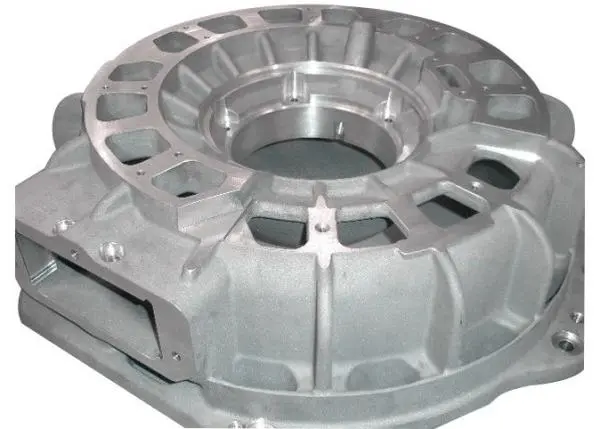
Pressure-Related Parameters: The Heart of Low Pressure Casting
At the core of low pressure casting lies the careful manipulation of pressure. This crucial factor determines not only the quality of the final product but also the efficiency of the entire manufacturing process.
Optimal Pressure Range: Finding the Sweet Spot
The triumph of low pressure casting turns on keeping up the right weight all through the handle. Customarily, makers work interior a expand of 0.3 to 1.5 bar, depending on the specific necessities of the component being cast. This by and large moo weight, compared to high-pressure pass on casting, licenses for a more controlled fill of the frame profundity, coming approximately in less surrenders and a transcendent surface finish.
Pressure Ramp-up Rate: The Art of Gradual Increase
One of the key focuses is the capacity to gradually increase weight in the midst of the filling handle. This controlled ramp-up maintains a strategic distance from turbulence in the fluid metal, lessening the chance of talk about trap and oxide course of action. A well-calibrated weight ramp-up rate ensures a smooth, laminar stream of metal into the frame, contributing to the for the most part quality of the cast component.
Pressure Hold Time: Ensuring Complete Solidification
After the form is filled, keeping up weight for a particular term is significant. This weight hold time permits for total hardening of the metal, avoiding shrinkage absconds and guaranteeing dimensional precision. The ideal hold time shifts depending on variables such as component thickness, combination properties, and form design.
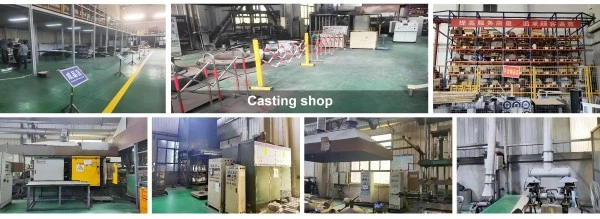
Time-Related Parameters: Precision in Every Second
In the world of low pressure casting, time is more than just a measure – it's a critical parameter that influences every aspect of the process. From the initial metal preparation to the final cooling phase, each second counts towards achieving the perfect cast.
Fill Time: The Balancing Act
The fill time, or the term it takes for the fluid metal to completely fill the shape misery, is a delicate alter. As well speedy, and you chance turbulence and examine trap. As well direct, and you might involvement awkward cementing issues. Talented directors fine-tune this parameter based on components like component geometry, metal temperature, and frame arrange to fulfill perfect results.
Solidification Time: Patience Pays Off
Once the form is filled, the hardening time gets to be pivotal. This parameter decides not as it were the microstructure of the cast component but moreover impacts its mechanical properties. Longer cementing times for the most part result in coarser grain structures, whereas shorter times lead to better grains. Producers must carefully consider the craved fabric properties when setting this parameter.
Cycle Time: Efficiency Meets Quality
The fill time, or the term it takes for the fluid metal to completely fill the shape misery, is a delicate alter. As well speedy, and you chance turbulence and examine trap. As well direct, and you might involvement awkward cementing issues. Talented directors fine-tune this parameter based on components like component geometry, metal temperature, and frame arrange to fulfill perfect results.
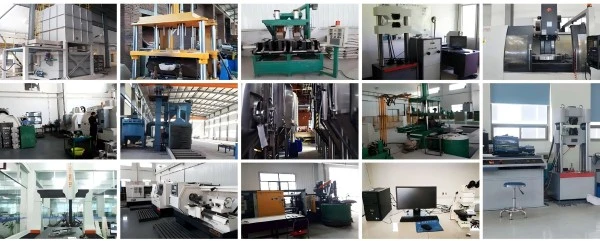
Temperature-Related Parameters: The Heat of Innovation
Temperature control in low pressure casting is an art form in itself. From the initial melting of the alloy to the final cooling of the cast component, every temperature-related parameter plays a crucial role in determining the quality and properties of the finished product.
Melt Temperature: The Foundation of Quality
The temperature of the liquid metal as it enters the form is a basic parameter. As well tall, and you hazard over the top oxide arrangement and gas porosity. As well moo, and the metal might cement rashly, driving to fragmented fills. Experienced casters carefully screen and alter the liquefy temperature based on components such as amalgam composition, component geometry, and craved fabric properties.
Mold Temperature: Creating the Perfect Environment
The temperature of the shape itself is additionally basic. A well-controlled shape temperature ensures fitting cementing rates and makes a distinction expect surrenders such as cold near or hot tears. Most casting operations keep up shape temperatures between 200°C and 350°C, with correct control systems to keep up consistency all through the era run.
Cooling Rate: Shaping the Microstructure
The rate at which the cast component cools after cementing has a significant affect on its last properties. Fast cooling by and large comes about in better grain structures and made strides mechanical properties, but it can moreover increment the chance of warm stresses and warpage. Producers frequently utilize modern cooling frameworks and carefully outlined warm angles to accomplish the craved adjust between cooling rate and last component quality.
Acing the perplexing move of weight, time, and temperature parameters in is key to creating high-quality components with consistency and productivity. As innovation proceeds to development, producers are finding unused ways to optimize these parameters, pushing the boundaries of what's conceivable in accuracy manufacturing.
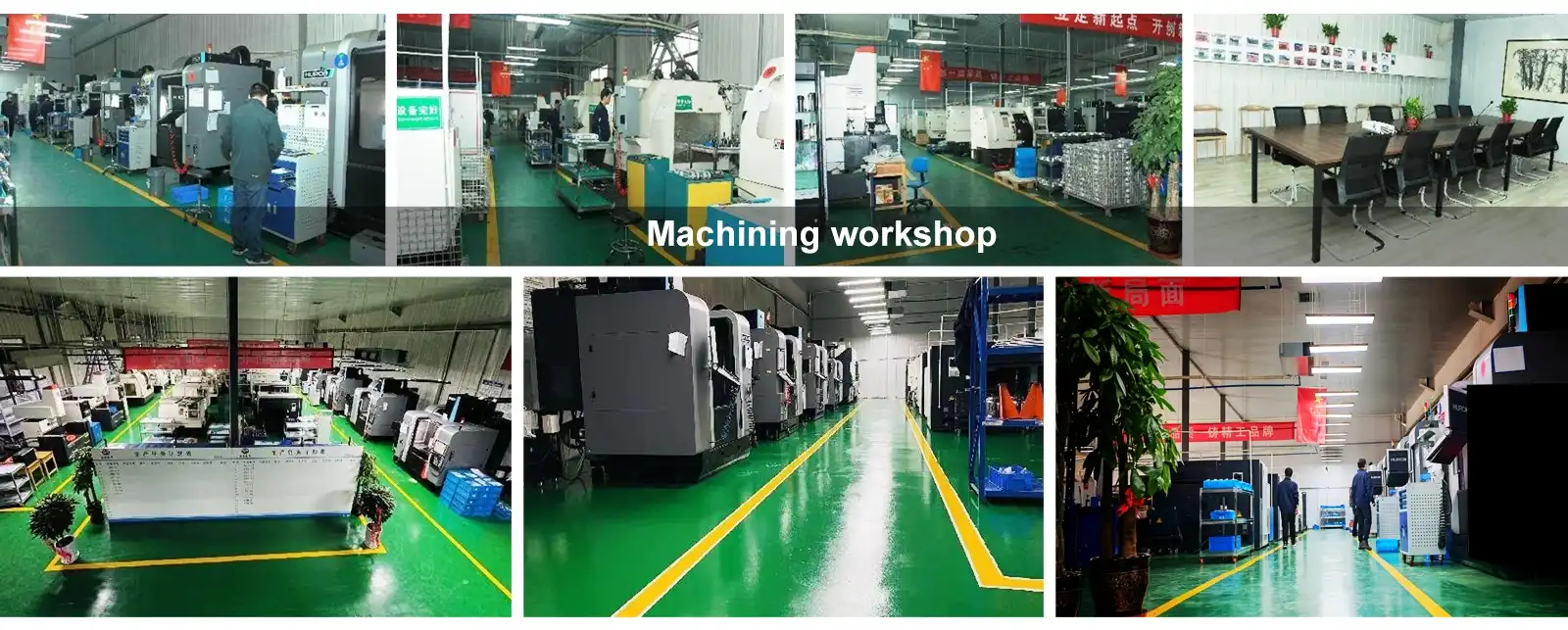
Low Pressure Casting Supplier: Rongbao Enterprise
Our capacity ranges a wide run of businesses, tallying car, flying, remedial equipment, and electrical and electronic creating. We get it the extraordinary challenges stood up to by getting chiefs, engineers, and decision-makers in these fragments, and we're committed to passing on courses of action that meet your specific needs.
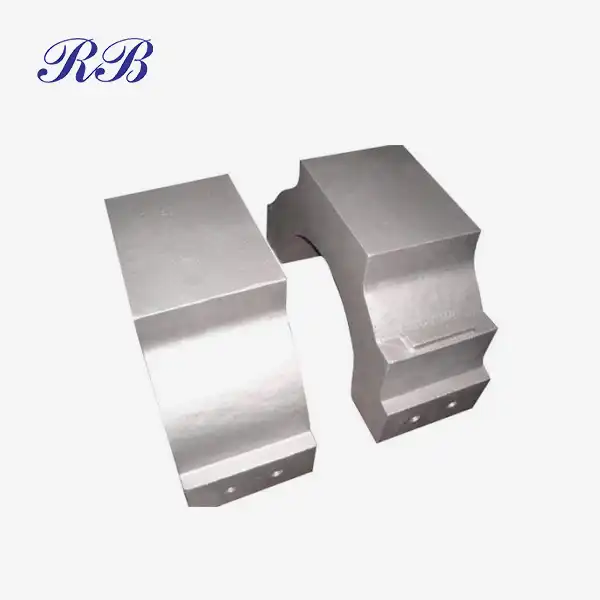
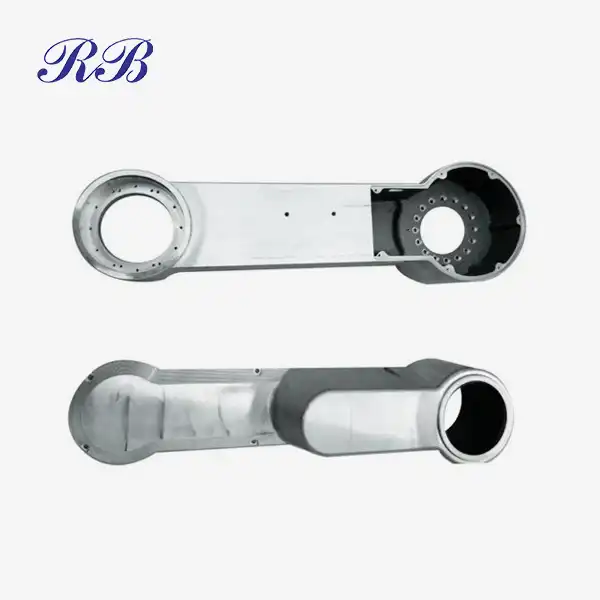
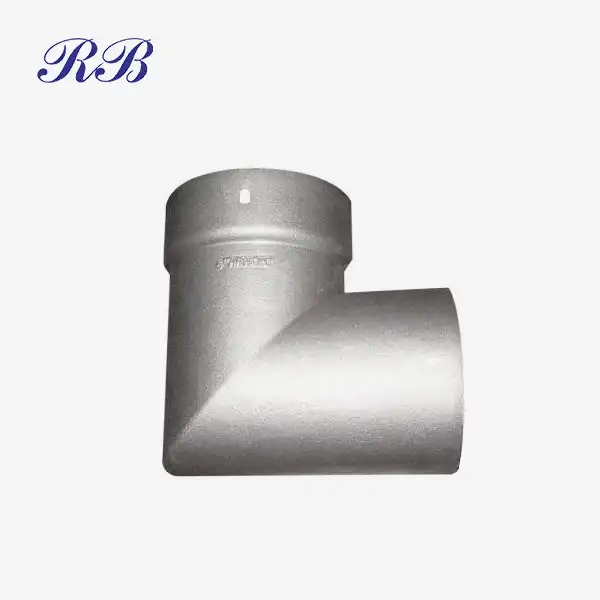
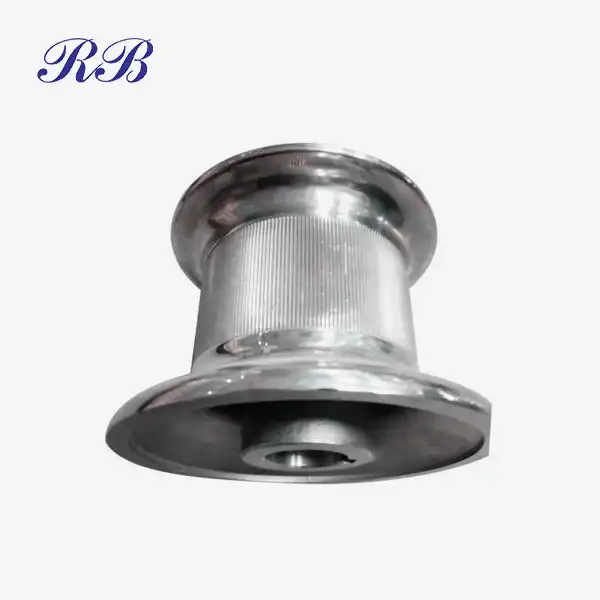
At Rongbao, we specialize in making a arranged run of high-quality things utilizing our advanced low pressure casting advancement. From solid motor cover castings and stator lodgings to aluminum entryway handles and upgrading enrichments, our offerings are laid out to meet the most asking judgments. Whether you require utilitarian components like cast center stream fan embellishments and impellers or classy pieces such as casting make blessings, we have the expertise and capability to deliver.
Ready to encounter the Rongbao distinction? Reach out to Steve Zhou at steve.zhou@263.net or Zhou Yi at zhouyi@rongbaocasting.com to begin your travel towards precision-engineered components that meet and surpass your expectations.