Sand as a "Temporary Mold": The Foundation of Sand Casting
The Unique Properties of Casting Sand
At the heart of sand casting lies the momentous fabric that gives the handle its title: sand. But this isn't your ordinary shoreline sand. Casting sand is a specialized blend, carefully defined to have particular properties that make it perfect for making brief molds.
The essential component of casting sand is silica sand, known for its tall warm resistance and solidness. This sand is blended with holding operators, regularly clay, and other added substances to upgrade its moldability and quality. The result is a fabric that can be effortlessly molded, hold its frame beneath the seriously warm of liquid metal, and break absent cleanly once the casting has solidified.
Why Sand Makes an Excellent Mold Material?
Sand's effectiveness as a mold material stems from several key characteristics:
- Refractory properties: Sand can withstand the extreme temperatures of molten metals without degrading or affecting the quality of the cast.
- Permeability: The spaces between sand particles allow gases to escape during the casting process, preventing defects in the final product.
- Collapsibility: Once the metal has solidified, the sand mold can be easily broken away, facilitating the removal of the cast part.
- Reusability: After each casting, the sand can be reconditioned and used again, making it an economical choice for large-scale production.
These properties combine to make sand an ideal medium for creating temporary molds that can accurately capture complex shapes and details while withstanding the rigors of the casting process.
Step-by-Step: How Sand Casting Operates?
From Pattern to Pouring: The Sand Casting Process Unveiled
Sand casting is a multi-step process that transforms raw materials into finished metal parts. Let's walk through each stage of this fascinating journey:
- Pattern Making: The process begins with creating a pattern – a replica of the desired part, typically made from wood, metal, or plastic. This pattern is slightly larger than the final product to account for metal shrinkage during cooling.
- Mold Preparation: The pattern is placed in a specially designed box called a flask. Sand is then packed tightly around the pattern in two halves – the cope (top) and drag (bottom).
- Pattern Removal: Once the sand has been compacted, the pattern is carefully removed, leaving a cavity in the sand that precisely mirrors the shape of the desired part.
- Core Installation: If the part requires internal cavities, pre-made sand cores are inserted into the mold at this stage.
- Mold Assembly: The two halves of the mold are brought together and secured.
- Pouring: Molten metal is carefully poured into the mold through a specially designed channel called a sprue.
- Cooling and Solidification: The metal is allowed to cool and solidify within the mold. This process can take anywhere from minutes to hours, depending on the size and complexity of the part.
- Shake-out: Once cooled, the sand mold is broken away from the solidified metal casting.
- Finishing: The raw casting undergoes cleaning, trimming of excess metal (sprue and risers), and any necessary heat treatment or machining to achieve the final desired specifications.
Each step in this process plays a crucial role in ensuring the quality and accuracy of the final cast part. The skill of the foundry workers, combined with precise control over variables such as sand composition, pouring temperature, and cooling rates, determines the success of the sand casting operation.
Why Sand Casting Works for Most Metals?
Versatility Across the Periodic Table
One of the most remarkable aspects of sand casting is its adaptability to a wide range of metals and alloys. This versatility is a key reason why sand casting has remained a cornerstone of manufacturing for centuries. Let's explore why this process is so accommodating to different materials:
- Temperature Flexibility: Sand molds can withstand extremely high temperatures, making them suitable for casting metals with high melting points like steel and iron, as well as lower-melting-point alloys like aluminum and copper.
- Adaptable Mold Properties: The composition of the sand mixture can be adjusted to suit different metals. For instance, chromite sand might be used for heavier alloys, while silica sand works well for lighter metals.
- Scalability: Sand casting can produce parts ranging from a few ounces to several tons, accommodating the diverse needs of various industries.
- Cost-Effectiveness: For both small runs and large-scale production, sand casting often proves more economical than other casting methods, especially for larger parts.
This adaptability makes sand casting an invaluable process across numerous industries, from automotive and aerospace to plumbing and artistic sculpture.
Challenges and Considerations
While sand casting is highly versatile, it's important to note that each metal or alloy presents its own set of challenges:
- Shrinkage Rates: Different metals contract at varying rates as they cool, requiring precise calculations in pattern design.
- Gas Porosity: Some metals, like aluminum, are prone to trapping gases, necessitating careful control of mold permeability and pouring techniques.
- Surface Finish: The granular nature of sand can impact the surface smoothness of the cast, which may require additional finishing for some applications.
Despite these challenges, the adaptability of the sand casting process allows foundries to overcome these hurdles through careful material selection, mold design, and process control.
Sand casting stands as a confirmation to human resourcefulness, bridging antiquated craftsmanship with cutting edge fabricating requests. Its capacity to shape a endless cluster of metals into complex shapes proceeds to make it an vital prepare over businesses. As we've investigated, the effortlessness of sand as a form fabric gives a false representation of the advanced science and creativity included in creating high-quality castings.
For those in require of accuracy sand casting administrations, see no encourage than Rongbao Venture. With about two decades of ability since our establishing in 2003, we've sharpened our aptitudes in aluminum amalgam casting and exactness preparing to convey remarkable results.
Sand Casting Supplier: Rongbao Enterprise
Rongbao Enterprise specializes in providing customized sand casting solutions with competitive pricing. Our extensive product range includes:
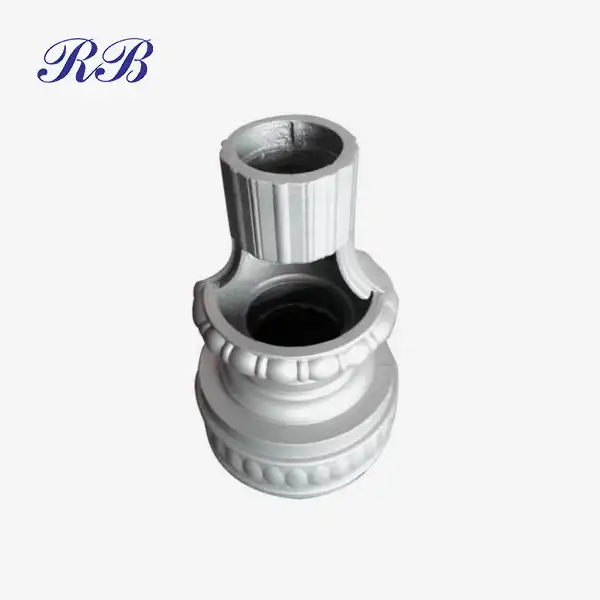
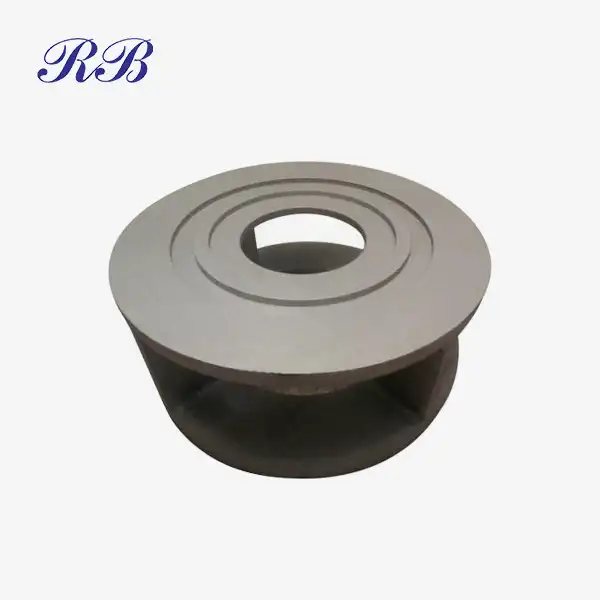
- Cast rectangular hoppers and collection box parts for rainwater harvesting
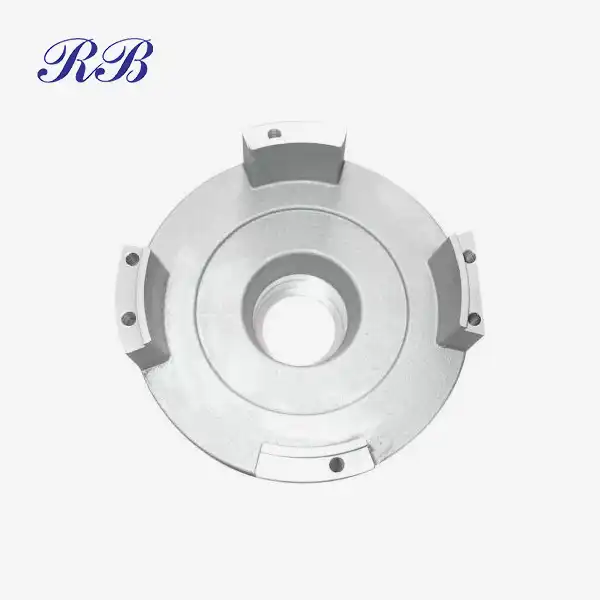
- Precision sand casting parts for pump housings in fire pump control stations
- Specialized valve body castings for fire pipe control systems
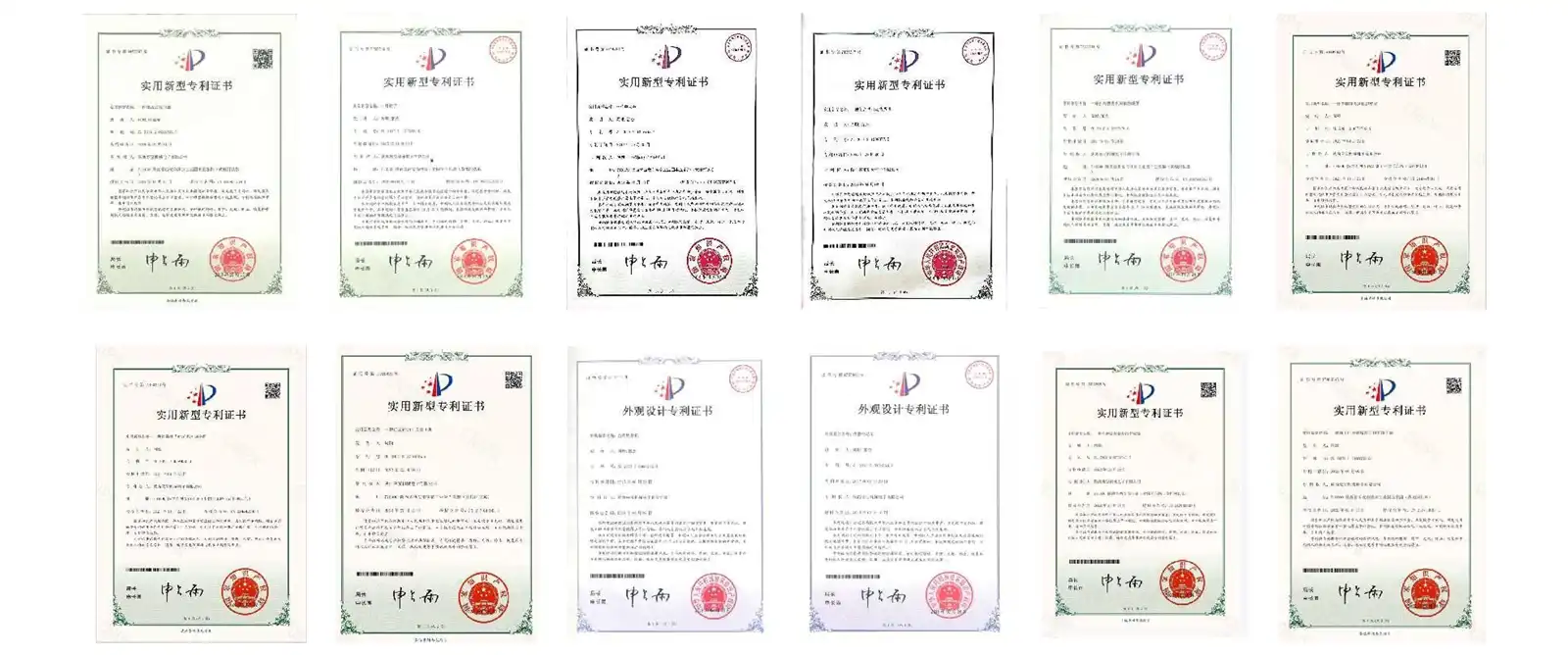
Our commitment to quality is underscored by our certifications in ISO 9001:2016 for Quality Administration, ISO 14001 for Natural Administration, and ISO 45001 for Word related Wellbeing and Security Management.
Whether you're in the car, aviation, therapeutic, or electrical businesses, Rongbao Endeavor has the ability to meet your sand casting needs. We pride ourselves on sensible taken a toll control, steady and convenient conveyance, controllable item quality, and extraordinary after-sales service.
Ready to raise your fabricating handle with high-quality sand castings? Contact us nowadays for a free test and encounter the Rongbao distinction. Reach out to Steve Zhou at steve.zhou@263.net or zhouyi@rongbaocasting.com to talk about your extend requirements.