Mold Preparation and Metal Smelting
Crafting the Perfect Mold
The travel of low pressure casting starts with fastidious shape arrangement. Not at all like conventional casting strategies, it requires uncommonly planned molds that can withstand the special weights and temperatures included in the handle. These molds, regularly made from high-grade steel or other solid materials, are designed to exact determinations to guarantee ideal stream and hardening of the liquid metal.
Mold architects must account for components such as gating frameworks, venting, and warm administration to make a form that will deliver reliable, high-quality castings. The inside surfaces of the shape are frequently treated with specialized coatings or discharge specialists to encourage simple expulsion of the wrapped up portion and amplify the mold's lifespan.
The Art of Metal Smelting
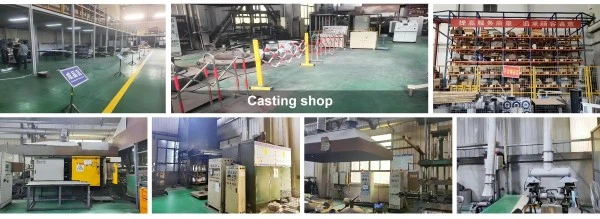
Concurrent with shape arrangement, the metal refining prepare starts. This pivotal step includes warming the chosen amalgam to its dissolving point in a heater. For aluminum amalgams, which are commonly utilized, temperatures ordinarily extend from 650°C to 750°C (1202°F to 1382°F).
The refining prepare requires exact control of temperature and composition to guarantee the metal accomplishes the craved properties. Foundry specialists carefully screen and alter the dissolve, regularly utilizing spectrometric investigation to confirm the alloy's chemical composition. This consideration to detail is basic for keeping up consistency over generation runs and assembly exacting quality standards.
Low-Pressure Filling, Cooling, and Solidification
The Filling Phase: Precision Under Pressure
Once the shape is arranged and the metal is at the ideal temperature, the low pressure casting process genuinely starts. The liquid metal is exchanged to a fixed, pressurized heater found underneath the shape. As the weight in the heater slowly increments, ordinarily to around 0.3 to 1.5 bar, the fluid metal is constrained upward through a bolster tube and into the form cavity.
This controlled, bottom-up filling strategy is a trademark of low pressure casting. It permits for a smooth, laminar stream of metal into the form, minimizing turbulence and lessening the probability of gas entanglement or oxide arrangement. The result is a casting with less surrenders and moved forward mechanical properties compared to gravity casting methods.
Cooling and Solidification: The Critical Phase
As the shape fills, the cooling and cementing handle starts. This organize is basic in deciding the last properties of the casting. The rate of cooling influences the microstructure of the metal, impacting characteristics such as quality, ductility, and wear resistance.
In moo weight casting, cooling rates can be carefully controlled through the plan of the form and the application of cooling frameworks. A few progressed setups utilize computer-controlled cooling circuits inside the form to accomplish exact warm administration. This level of control permits producers to optimize the hardening prepare for particular combinations and portion geometries, coming about in castings with steady, high-quality microstructures.
Demolding and Post-Processing
The Art of Demolding
Once the casting has set and cooled adequately, the demolding prepare starts. This step requires expertise and exactness to guarantee the portion is evacuated from the shape without harm. Depending on the complexity of the casting and the form plan, demolding may include the utilize of ejector pins, discuss weight, or manual techniques.
Timing is vital in the demolding stage. If endeavored as well early, the still-hot casting may distort or adhere to the form. Hold up as well long, and warm withdrawal may make expulsion troublesome. Experienced administrators utilize a combination of temperature checking and material input to decide the ideal minute for demolding.
Post-Processing: Refining the Final Product
After demolding, the casting undergoes a series of post-processing steps to achieve its final form and properties. These may include:
- Heat Treatment: Many castings undergo heat treatment to enhance their mechanical properties. This process can involve solution treatment, quenching, and aging, depending on the specific alloy and desired characteristics.
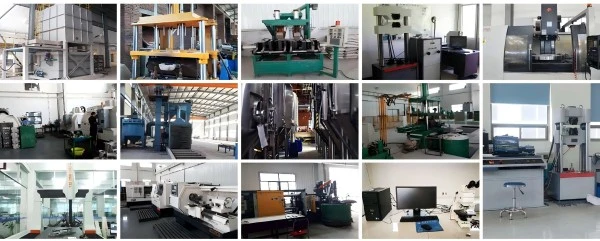
- Machining: While low pressure casting produces near-net-shape parts, some applications require additional machining for tight tolerances or specific features.
- Surface Finishing: Depending on the end-use, castings may undergo various surface treatments such as polishing, anodizing, or painting to improve aesthetics or corrosion resistance.
- Quality Control: Rigorous inspection processes, including dimensional checks, non-destructive testing, and mechanical property verification, ensure that each part meets the required specifications.
The post-processing phase is where the true value of low pressure casting becomes evident. The high-quality raw castings produced by this method often require less extensive machining and have lower rejection rates compared to other casting processes, leading to significant cost savings and improved production efficiency.
Low pressure casting speaks to a noteworthy progression in metal shaping innovation, advertising a mix of exactness, effectiveness, and quality that is difficult to coordinate with conventional strategies. From the starting shape arrangement to the last post-processing steps, each arrange of the handle contributes to the generation of predominant metal components.

Low Pressure Casting Supplier: Rongbao Enterprise
At Rongbao, we pride ourselves on conveying coordinates component supply arrangements that combine multi-material compatibility with cross-process fabricating innovations. Our commitment to quality is apparent in our ISO 9001:2016 certification, whereas our ISO 14001 and ISO 45001 certifications emphasize our commitment to natural maintainability and word related wellbeing and safety.
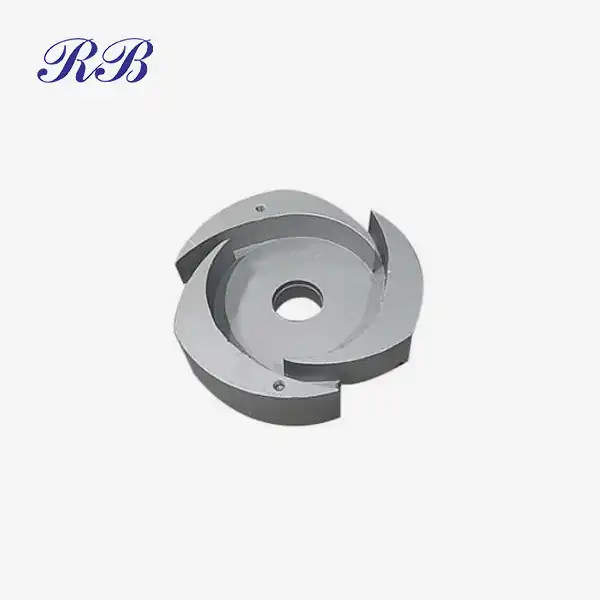
Whether you require strong engine covers, aluminum entryway handles, or precision-engineered impellers, Rongbao has the ability and capability to surpass your desires. Our worldwide organizations and nonstop drive for development guarantee that we stay at the cutting edge of fabricating technology.
Contact Rongbao Endeavor nowadays. Reach out to Steve Zhou at steve.zhou@263.net or Zhou Yi at zhouyi@rongbaocasting.com to talk about your venture prerequisites.