- English
- French
- German
- Portuguese
- Spanish
- Russian
- Japanese
- Korean
- Arabic
- Greek
- German
- Turkish
- Italian
- Danish
- Romanian
- Indonesian
- Czech
- Afrikaans
- Swedish
- Polish
- Basque
- Catalan
- Esperanto
- Hindi
- Lao
- Albanian
- Amharic
- Armenian
- Azerbaijani
- Belarusian
- Bengali
- Bosnian
- Bulgarian
- Cebuano
- Chichewa
- Corsican
- Croatian
- Dutch
- Estonian
- Filipino
- Finnish
- Frisian
- Galician
- Georgian
- Gujarati
- Haitian
- Hausa
- Hawaiian
- Hebrew
- Hmong
- Hungarian
- Icelandic
- Igbo
- Javanese
- Kannada
- Kazakh
- Khmer
- Kurdish
- Kyrgyz
- Latin
- Latvian
- Lithuanian
- Luxembou..
- Macedonian
- Malagasy
- Malay
- Malayalam
- Maltese
- Maori
- Marathi
- Mongolian
- Burmese
- Nepali
- Norwegian
- Pashto
- Persian
- Punjabi
- Serbian
- Sesotho
- Sinhala
- Slovak
- Slovenian
- Somali
- Samoan
- Scots Gaelic
- Shona
- Sindhi
- Sundanese
- Swahili
- Tajik
- Tamil
- Telugu
- Thai
- Ukrainian
- Urdu
- Uzbek
- Vietnamese
- Welsh
- Xhosa
- Yiddish
- Yoruba
- Zulu
Is shot blasting necessary for ZL101A casting fixed connector surface?
When buying aluminium parts for important industrial uses, the choice of surface treatment has a direct effect on how well they work and how much they cost. Shot blasting is a tried-and-true way to prepare the surface of ZL101A aluminium alloy for casting fixed connector parts that are widely used in three-way pipe systems for construction equipment, commercial vehicles, and industrial machinery. This process gets rid of casting residues and oxidation layers, making the surface ready for protective coatings or direct assembly. Some purchasing managers aren't sure if the extra step is worth the money, but industry practice shows that shot blasting greatly improves corrosion resistance, coating adhesion, and mechanical reliability. This is especially true in demanding operational settings where failed connectors can cause system downtime and safety risks.
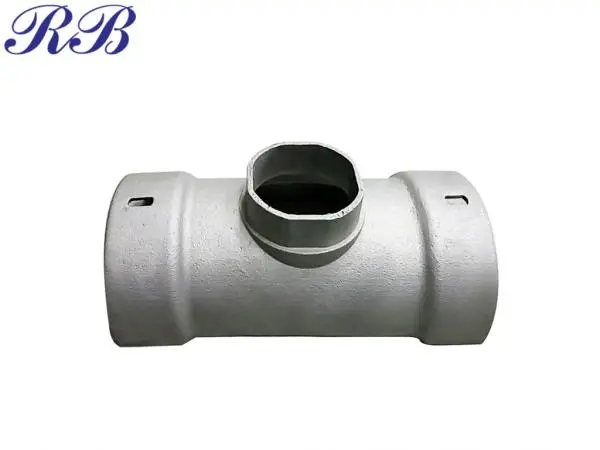
Understanding ZL101A Casting Fixed Connectors and Their Surfaces
Material Characteristics of ZL101A Aluminum Alloy
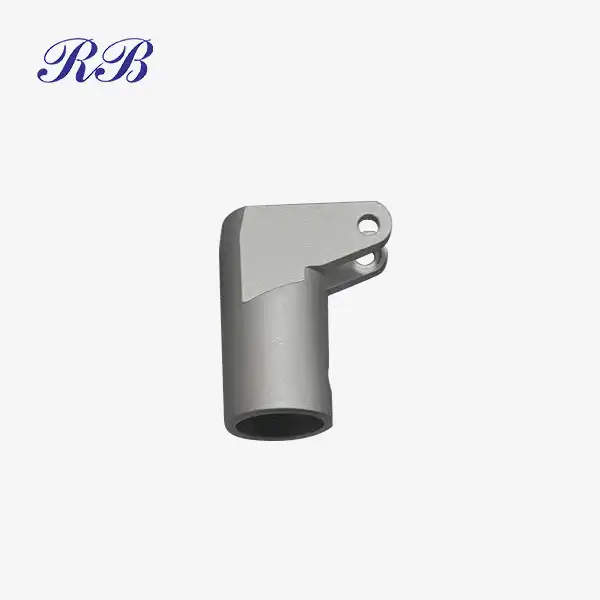
ZL101A aluminium alloy is the main material used to make gravity-cast parts for tasks that need moderate strength and good castability. This alloy's main ingredient is silicon, which is usually between 6.5% and 7.5%. This makes the casting process smoother and lessens the chance of flaws caused by shrinking. The strength of the material when pulled apart is between 170 and 200 MPa, and it doesn't rust in most weather situations. It has been our experience that gravity casting is the best way to make casting fixed connectors that weigh about 0.57 kg. This is because it ensures uniform wall thickness and structural stability, which is something that pressure die-casting methods can't always do with complex shapes.
Common Surface Imperfections in As-Cast Conditions
After being made in gravity, ZL101A parts often have surface issues that affect both how they look and how they work. A lot of the time, sand from the mould cavity sticks to the surface, making rough spots that make it hard to get accurate measurements when CNC machining. During the cooling phase, oxides naturally build up and form a gray-to-black layer that makes the surface less clean. Small holes near the surface can catch dirt and water, which speeds up corrosion in service settings. These flaws are especially annoying when connectors need to connect to sealing parts or get powder coating finishes, because not properly preparing the surface hurts the integrity of the assembly and shortens the life of the coating.
What Is Shot Blasting and How Does It Work on Casting Surfaces?
Mechanical Principles of Abrasive Impact
Shot blasting works by using compressed air or rotational force to move round or angled abrasive particles toward the surface of the part. These particles are usually steel shot, ceramic beads, or aluminium oxide. When these particles hit something, they break up lightly attached contaminants, damage brittle oxide layers, and change the shape of the surface microstructure in a flexible way. The transfer of kinetic energy makes tiny depressions on the surface that increase its area and provide mechanical fixing points for later coats. In contrast to grinding, which removes a lot of material by cutting, shot blasting keeps the dimensions accurate while cleaning. This makes it perfect for parts that have already been precision CNC machined to the final tolerances.
Process Parameters for Aluminum Alloy Components
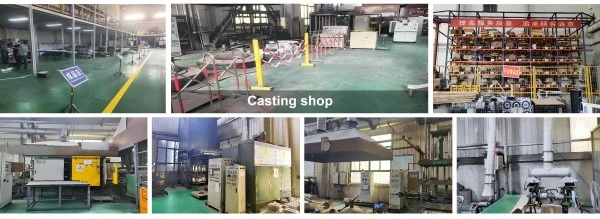
To treat ZL101A parts properly without damaging the surface while getting a good cleaning, you have to be very careful about which parameters you choose. Media selection usually favours softer materials, like glass beads or ceramic particles, whose hardness is lower than that of the aluminium substrate. This keeps the surface from being embedded or too much material being removed. When air pressure is between 40 and 80 psi, it cleans most effectively without deforming the surface of light parts. The length of exposure depends on the shape of the component, but for casting fixed connectors, it usually takes 30 to 90 seconds to treat all surfaces evenly. Automated blast cabinets with set rotation cycles make sure that all 5,000-piece production runs are the same. This gets rid of the operator error that comes with hand-blasting.
Surface Transformation Results
A close look at the surface after treatment shows big changes for the better. Roughness measurements usually change from Ra 6.3µm (as-cast) to Ra 3.2–1.6µm after blasting. This makes the surface perfect for coating adhesion while still being functionally smooth. When oxide layers are removed, new aluminium is revealed. This can be covered right away to stop it from oxidising again, or it can be left to form a controlled, uniform passive layer. Microhardness testing often finds small increases in surface compressive stress. This can make the material more resistant to wear in situations where it is loaded and unloaded many times. When connectors are used in the field, these measured improvements directly lead to longer service life and higher efficiency.
Is Shot Blasting Necessary for ZL101A Casting Fixed Connector Surface?
Functional Performance Impact Analysis
There are some operational risks that come with skipping shot blasting that procurement professionals have to weigh against the cost of treatment. Sand particles that are still there can move around during assembly and clog hydraulic systems or wear down parts that fit together. Oxide layers make it so that threaded connections have less effective contact area. This could lower the holding force and let the joint come free when it vibrates. When coating is put on surfaces that haven't been prepared, adhesion problems usually happen in the first few months of use, which means that warranty claims and part replacements are needed. Field failure data from car providers shows that properly prepared casting fixed connectors have 40–60% longer service intervals than parts with scant surface preparation. This means that the total cost of ownership is lower, even though the starting unit price is higher.
Industry Standards and Compliance Requirements
A number of international standards explain how to properly prepare the surface of cast aluminium parts that are used in structures. ISO 8501 sets standards for how clean something looks, and ASTM B600 talks about how to prepare the surface of an aluminium metal for finishing systems. A lot of automakers use these standards as part of their buying guidelines, especially for providers that have IATF 16949 approval. Quality engineers who do incoming inspections are using surface roughness gauges and coating adhesion pull tests more and more to make sure that suppliers are following the rules. Batches that don't meet the minimum preparation standards are thrown out. As part of the process control standards for parts certified under the ISO 9001:2015, ISO 14001, and ISO 45001 management systems, surface treatment methods are usually written down. This gives procurement managers a way to check the process and see what's going on.

Cost-Benefit Considerations for Batch Production
When procurement managers decide if they want to specify shot blasting, they should add the cost of the treatment to the value of the whole part. Adding shot blasting to 0.57 kg aluminium connectors usually makes each one cost $0.15 to $0.30 more, but this depends on the cost of labour in the area and how quickly the equipment wears out. However, this investment stops later costs like more coating being used, faster guarantee returns, and possible responsibility from problems in the field. It's also important to think about production capacity. Suppliers with automatic systems that can blast 5,000-piece batches keep lead times constant, usually adding only 1-2 days to the manufacturing cycle. When you blast by hand or hire someone else to do it, there are scheduling issues that can happen that can make wait times longer than expected, which hurts the dependability of delivery that supply chain managers value.
Comparison of Shot Blasting with Other Surface Treatments for Casting Fixed Connectors
Chemical Cleaning Methods
Using alkaline or acidic chemical baths is another way to get rid of casting leftovers and oxides on aluminium parts. High levels of cleanliness can be reached with these methods, and casting fixed connectors can be treated evenly without any line-of-sight problems. Chemical treatments, on the other hand, need facilities for getting rid of trash and handling dangerous materials, as well as environmental permits that make operations more difficult. Chemical traces that are still present can get in the way of later coating processes or cause galvanic rusting when aluminium parts come into touch with metals that are not the same during assembly. Compared to shot blasting's fast output, processing time usually adds 20 to 40 minutes per batch. In order to be more environmentally friendly, many buyers in Europe and North America now choose mechanical treatments over chemical ones. This is in line with the goals of ISO 14001 environmental management.
Grinding and Machining Approaches
Critical sealing faces or fixing flanges can have smooth surfaces made by precision grinding or other machining processes. This method works great for surface needs that are localised and where tight limits on dimensions are needed. When compared to abrasive blasting, however, grinding the outside of whole components becomes too expensive and takes too much time. When grinding, removing material can also cause changes in dimensions that can invalidate previous CNC machining work and cause features to move outside of the limits of what was specified. However, because grinding is targeted, it should not be used instead of shot blasting for complete surface preparation. In many standards, both methods are used together: blasting is used to clean the surface in general, and then selective grinding is used on important contacts.
Vibratory and Tumbling Processes
Vibratory bowls and rotary barrels are two types of mass finishing tools that can be used to gently treat surfaces for deburring and light cleaning. These methods work well for small parts with simple shapes, and they can handle large batches with little work. Three-way pipe connections, on the other hand, often get uneven treatment, with recessed areas not getting cleaned well enough. These connectors have internal passageways and complex outward profiles. Processing takes hours instead of minutes, which means that a lot less work can be done than with directed blast methods. It takes more than one processing cycle or extra treatments to get to the desired level of cleanliness because the gentle action that saves delicate features is not as good at getting rid of stubborn oxide layers or buried sand residues.

Conclusion
When operating dependability and service life are important to the end application, shot blasting is an investment that must be made for ZL101A casting fixed connector surfaces. The treatment effectively fixes the problems that come with the casting surface, making a base for protective coatings and improving mechanical performance and resistance to corrosion. Purchasing managers who have to weigh cost versus quality should know that shot blasting, which has a low cost per unit, can help cut down on warranty claims, maintenance needs, and downtime. When you work with providers who offer casting, precision machining, and surface treatment under certified quality systems, you can be sure of consistent results across all output volumes. This also makes managing the supply chain for key components easier.
FAQs
Does shot blasting damage the dimensional accuracy of CNC-machined connectors?
Shot blasting only removes surface contaminants and doesn't change dimensions bigger than 0.01 mm when done correctly, specifically with softer media like glass beads and controlled pressure (40–60 psi) for casting fixed connectors. Reliable suppliers make sure that operations are done in the right order. For example, they make sure that all precision CNC machining is done before blasting, and they mask off any important threaded features or sealing surfaces that need it. This method keeps the dimensions stable while meeting the goals for surface preparation.
How does shot blasting affect the corrosion resistance of ZL101A aluminum alloy?
Getting rid of uneven rust layers and leaving a smooth, slightly rough surface actually makes corrosion protection better over time. The micro-textured surface takes protective coats better than smooth as-cast surfaces, which keeps water out and stops undermining. If you don't coat parts after blasting, they quickly form a uniform passive oxide layer that protects better than the uneven oxide that forms during casting. Independent salt spray testing usually shows that properly blasted parts are 30–50% less likely to rust.
What is the typical lead time addition for including shot blasting in a 5000-piece order?
For batch handling, suppliers with dedicated automated blast equipment usually add one to two business days to the plan. The treatment time for each part is measured in seconds, but the total cycle time includes time for setting up, checking the quality, and drying. Compared to parts that haven't been treated, this small change to the plan has a big effect on quality without making total wait times much longer. Manual blasting by providers who aren't as well-equipped could add 3–5 days to the schedule.
Ready to Secure High-Performance Cast Aluminum Connectors
Rongbao Enterprise has been casting aluminium for 20 years and has a wide range of in-house skills, such as gravity casting, precision CNC machining, and certified surface treatment processes. Our streamlined manufacturing process gets rid of the coordination problems that come up with buying from multiple vendors. This means that your ZL101A casting fixed connector parts will arrive ready to be put together, and the quality will be the same for every production batch. With ISO 9001:2015, ISO 14001, and ISO 45001 certifications, we keep the written process controls and traceability that OEMs in automotive, construction, and industrial machinery need. We can make up to 5,000 pieces per cycle, and we can customise them to fit the special needs of three-way pipe systems and other similar structural parts. Get in touch with our technical team at steve.zhou@263.net or zhouyi@rongbaocasting.com to talk about how our shot-blasted aluminium connectors can help you make your products more reliable and make managing your supply chain easier by working with a trusted casting fixed connector manufacturer.
References
1. Davis, J.R. (2001). Aluminum and Aluminum Alloys: ASM Specialty Handbook. ASM International, Materials Park, Ohio.
2. Holtzer, M., & Danko, R. (2015). Processes in Cast Surface Layer Formation. Springer International Publishing, Cham, Switzerland.
3. Society of Automotive Engineers (2019). Surface Treatment of Aluminum Castings for Automotive Applications: SAE J2334. SAE International Standards.
4. Kaufman, J.G., & Rooy, E.L. (2004). Aluminum Alloy Castings: Properties, Processes, and Applications. ASM International, Materials Park, Ohio.
5. International Organization for Standardization (2015). ISO 8504-2: Preparation of Steel Substrates Before Application of Paints and Related Products - Surface Preparation Methods. Geneva, Switzerland.
6. American Foundry Society (2017). Surface Finishing of Aluminum Castings: Technical Report. AFS Technical Committee, Schaumburg, Illinois.
Learn about our latest products and discounts through SMS or email