- English
- French
- German
- Portuguese
- Spanish
- Russian
- Japanese
- Korean
- Arabic
- Greek
- German
- Turkish
- Italian
- Danish
- Romanian
- Indonesian
- Czech
- Afrikaans
- Swedish
- Polish
- Basque
- Catalan
- Esperanto
- Hindi
- Lao
- Albanian
- Amharic
- Armenian
- Azerbaijani
- Belarusian
- Bengali
- Bosnian
- Bulgarian
- Cebuano
- Chichewa
- Corsican
- Croatian
- Dutch
- Estonian
- Filipino
- Finnish
- Frisian
- Galician
- Georgian
- Gujarati
- Haitian
- Hausa
- Hawaiian
- Hebrew
- Hmong
- Hungarian
- Icelandic
- Igbo
- Javanese
- Kannada
- Kazakh
- Khmer
- Kurdish
- Kyrgyz
- Latin
- Latvian
- Lithuanian
- Luxembou..
- Macedonian
- Malagasy
- Malay
- Malayalam
- Maltese
- Maori
- Marathi
- Mongolian
- Burmese
- Nepali
- Norwegian
- Pashto
- Persian
- Punjabi
- Serbian
- Sesotho
- Sinhala
- Slovak
- Slovenian
- Somali
- Samoan
- Scots Gaelic
- Shona
- Sindhi
- Sundanese
- Swahili
- Tajik
- Tamil
- Telugu
- Thai
- Ukrainian
- Urdu
- Uzbek
- Vietnamese
- Welsh
- Xhosa
- Yiddish
- Yoruba
- Zulu
How many days does mold making take for customized ADC12 cast half circle?
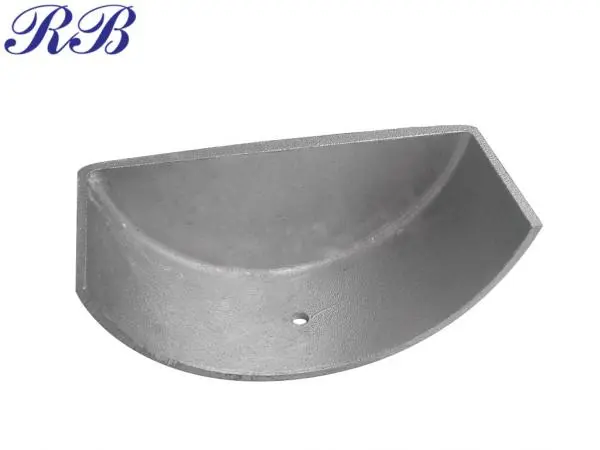
When looking for custom aluminium die-cast parts, it's important to know how long it takes to make moulds so that your production schedule stays on track. Knowing exactly how long the mould fabrication takes can mean the difference between meeting your delivery commitments and expensive project delays for procurement managers evaluating ADC12 aluminium alloy components, particularly cast half circle designs used in applications like rainwater pipe plugs. Customised ADC12 cast half circle parts usually take between 25 and 45 days to make the mould, but this depends on how complicated the design is, how many tools are needed, and how busy the seller is. This time frame includes stages for validating the design, CNC machining, trial production, and quality assurance. This guide will go over every step of mould development to help you better plan your procurement cycles and find manufacturing partners who can meet your project deadlines and deliver reliable, precise tooling.
Understanding Mold Making for Customized ADC12 Cast Half Circles
Due to its high mechanical strength, corrosion resistance, and ease of casting, ADC12 aluminium alloy has become the material of choice for die-casting in the automotive, construction machinery, and industrial equipment industries. When it comes to making curved shapes, such as cast half circle forms, the mould design is very important because these shapes need exact hollow dimensions to avoid common flaws like porosity or dimensional distortion.
Material Properties and Tooling Considerations
The silicon content of ADC12 metal is between 11 and 13 percent, which makes it more fluid during high-pressure die casting. Because of this, molten metal can easily fill complex cavities, which makes it perfect for thin-walled sections and complex shapes. But because of this fluidity, mould makers have to be very precise when they create gating systems and cooling pathways. Choosing the right tooling material has a direct effect on how long it takes to make something. For example, H13 tool steel moulds are durable for high-volume runs but need longer machining cycles. On the other hand, softer tooling materials can be made faster but wear out faster during production.
Design Complexity and Lead Time Implications
The shape of a semicircle offers unique engineering problems that go beyond those that come up with simple flat or rectangular parts. For curved surfaces, you need to use advanced CAD modelling to make sure that the draft angles allow the part to be ejected without damage. The mould design process naturally takes five to ten days longer if your cast half circle part has extra features like mounting bosses, internal channels, or different wall thicknesses, like in rainwater pipe plug uses. At Rongbao Enterprise, our engineering team has seen that clear starting specs cut down on design iteration cycles by a large amount. This can cut the total time it takes to make a mould by up to 20%.
Common Challenges Affecting Timeline
Getting the right raw materials for tool steel can take a while, especially if you need specific grades. Quality assurance standards take time that needs to be spent, but they keep you from having to do expensive work over and over again later on. When design changes are asked for after the initial approval, they usually add one to three weeks to the schedule because the hole sides have to be re-machined and more trial runs have to be done. By knowing about these possible bottlenecks, procurement teams can add enough extra time to project schedules to avoid problems.
Step-by-Step Mold Making Process & Expected Timeframes
When the process of making a mould is broken down into separate steps, procurement professionals know what to expect at each stage and can see where delays most often happen.
Design and Engineering Consultation (5-10 Days)
Before starting any mould job, it's important for your engineering team and the mould maker to have in-depth technical talks. We look over your 2D drawings and 3D CAD models in this phase, checking the placement of splitting lines, ejector pins, and the spread of wall thickness. For a 0.19 kg ADC12 cast half circle rainwater plug, our experts make sure that the curved shape stays the same thickness so that the cooling rates are the same everywhere. Before we start making tools, we also do Design for Manufacturing (DFM) analysis to find any possible casting flaws. After the consultation period is over, the mould design drawings and material specifications are finalised. This sets a solid foundation that keeps changes from happening in the middle of the project that cost a lot of money.
Mold Fabrication and CNC Machining (12-20 Days)
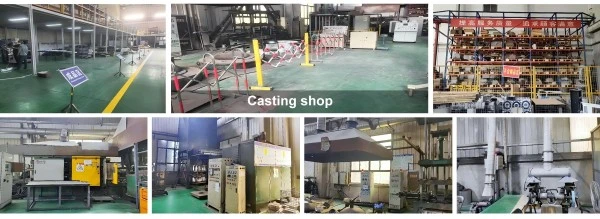
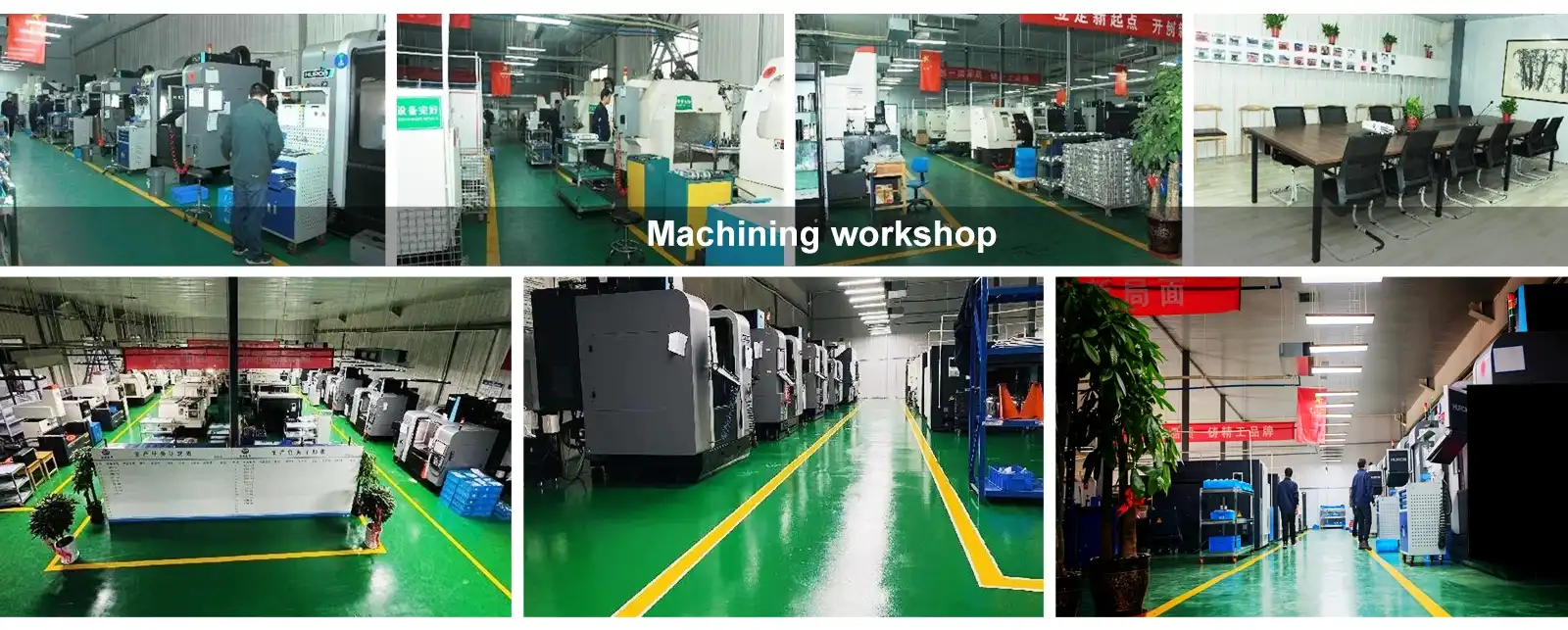
Once the plans are approved, the real process of making the tools starts. Tolerances of within ±0.02mm are reached by high-precision CNC machining centers that cut the mould cavities from blocks of heat-treated tool steel. This is necessary to make sure that the part dimensions stay the same over thousands of production cycles. For half-circle shapes, multi-axis machining is needed to make curved surfaces that are smooth and don't leave tool marks that could show up on final casts. Wire EDM (electrical discharge machining) makes complex cooling channels that control the rate at which metal solidifies, which has a direct effect on the quality of the final part. Polishing and other surface finishing steps smooth out the surface to Ra 0.8μm or better, which lowers friction during part removal and increases the mold's useful life.
Trial Production and Adjustment (5-10 Days)
After being put together, the mould is tested using real ADC12 aluminium alloy in a production setting. We made the first pieces by casting them and checking them for flaws like cold shuts, flash, and shrinking porosity. This stage of validation often shows that small changes need to be made, like changing the size of the gate to improve metal flow or moving the cooling channels around to get rid of hot spots that are causing the part to warp. We make sure the radius accuracy and surface finish of a cast half circle component with a precise curve meet the requirements. Usually, two or three rounds of trial changes are needed to get parts that are uniform, free of flaws, and meet the requirements for their dimensions and mechanical properties.
Quality Inspection and Client Approval (3-5 Days)
In the last step, mould acceptance, there is a lot of paperwork and client review. We give you first article inspection reports with dimensional measurements compared to the blueprints, material certificates for the tooling steel, and sample castings to look over. During this approval window, your quality engineers can check the parts as they come in and make sure they will work properly when put together. We don't let full production runs start on the mould until we get official approval. While this structured review process adds a few days to the schedule, it makes sure that the supplier's skills match the client's standards before starting to make a lot of the product.
Best Practices to Reduce Mold Making Time for Customized ADC12 Cast Half Circles
Standard lead times for mould development are between 25 and 45 days, but smart methods can shorten these times without lowering quality or risking tooling failure before its time.
Early Technical Collaboration
Getting your mould maker involved in the design phase of the product saves a lot of time later on. When procurement and engineering teams share early concept drawings with manufacturing partners before finalising designs, problems with making the designs are found quickly. We can suggest changes to the design that make building the mould easier. For example, we could suggest slightly changing the radius of a curve to get rid of an undercut that needs complicated side actions, or we could suggest moving mounting features to make metal flow better. These joint improvements, made before an official quote and purchase order are sent out, stop design revision cycles that usually add two to three weeks to the time it takes to make a mould. Sharing all the technical details up front, like the expected tolerances, surface finish, and production volume, leads to more accurate first designs that need fewer changes during the trial run.
Leveraging Advanced Manufacturing Technologies
Modern ways of manufacturing greatly shorten the time it takes to do standard cutting. Computer-aided manufacturing (CAM) software finds the best paths for tools, which cuts CNC cycle times by 15–30% compared to programming them by hand. Using special cutting tools and high-speed grinding methods, you can remove material faster while keeping the quality of the surface. We recently started using additive manufacturing for conformal cooling channel inserts. This has cut the time it takes to make cooling systems by about 40% and made the casting process more efficient. Simulation software projects how metal will flow and solidify before it is cut. This gets rid of almost all of the trial-and-error changes that are needed during actual testing, which can take days. These investments in technology directly lead to shorter delivery times for moulds for our clients.

Establishing Clear Approval Workflows
One of the most common things that delays mould jobs is client feedback that isn't given on time. Setting clear approval deadlines at the start of a project, like promising to look over design plans within three business days and test models within two days, keeps things moving along smoothly. We suggest giving the client a single point of contact who has the power to accept technical choices. This way, you can avoid the need for committee reviews, which can slow down work for weeks. We can make changes quickly in single-machining setups when clients give us feedback that addresses all of their concerns at once instead of sending us revision requests one after the other. This discipline of structured communication can cut the time it takes to finish a project by one to two weeks.
Planning for Production Scalability
When you design moulds with future capacity growth in mind, you save time in the long run. When production numbers make it cost-effective, multi-cavity tooling methods allow for higher output rates once production starts. Even though the initial cost of the mould goes up, the price of each part goes down by a lot, and orders that come after the first one don't need any extra manufacturing wait time. In order to reduce the time it takes to introduce new products by 60–70% compared to completely new tooling, we frequently suggest family mould configurations for cast half circle components with predictable ongoing demand.
Conclusion
When procurement professionals know that customised ADC12 cast half circle moulds take 25 to 45 days to make, they can make more realistic plans and better handle stakeholder expectations. The main factors that determine where your project falls in this range are the complexity of the design, the technical skills of the supplier, and how well you can communicate. You can be sure of on-time deliveries if you choose factory partners with a wide range of skills, up-to-date tools, and organised quality management, such as that shown by ISO9001, ISO14001, and ISO45001 certifications. The process of making a mould includes several steps: design validation, precision machining, iterative trial adjustments, and formal approval. All of these steps are important for making sure that production is consistent and error-free. As our industry adopts automation, green practices, and stronger supply chains, these timelines keep getting shorter while quality standards rise, which is good for buying teams that are in charge of complicated casting projects.

FAQ
1. What is the typical mold making duration for ADC12 cast half circle components?
Standard mould creation for ADC12 aluminium die-cast cast half circle parts usually takes 25 to 45 days from the time the design is approved until the final client accepts the part. Complex designs with complicated cooling systems, multiple cavity actions, or very tight standards can take 45 days or more to finish. Simple shapes with few features may finish earlier in this range. For projects that need special types of tooling steel that take a long time to get, these figures may need to be increased by another week.
2. How does design complexity impact mold making timelines?
Complex cast half circle designs with changing wall thicknesses, internal channels, undercuts that need side actions, or very tight dimensional tolerances need more engineering analysis, longer CNC machining cycles, and usually more trial runs. Baseline plans can be pushed back by three to ten days for each factor of design complexity. On the other hand, designs that are simpler and have uniform wall sections, large draft angles, and loose tolerance requirements can be made faster and need fewer trial adjustments, which could cut the time needed by one to two weeks.
3. Can clients take steps to expedite mold making and delivery?
Mould makers can get to work right away without having to wait for clarifications if they are given full technical specs at the start of a project. These include thorough 3D CAD models, material certification standards, and production volume estimates. By promising quick approval times for design reviews and trial sample evaluations, you can avoid having to wait between stages of a project. By choosing suppliers with integrated capabilities, you can avoid communication delays between multiple sellers. This could cut the total project time by two to three weeks compared to supply lines that are spread out in different places.
Partner with a Trusted Cast Half Circle Supplier for Your Next Project
Rongbao Enterprise is ready to help you with your ADC12 aluminium casting needs. They have been making precision parts for 20 years and have a lot of experience. Our Xi'an facility offers advanced mould making, high-pressure die casting, CNC machining, and surface treatment services. This means that we can provide full turnkey solutions that eliminate the need to coordinate with multiple vendors. Over 5,000 custom cast half circle rainwater pipe plugs have been successfully made by us, meeting strict mechanical and dimensional requirements for use in building equipment. Our three ISO certifications—ISO9001:2015 for quality management, ISO14001 for environmental duty, and ISO45001 for health and safety at work—show that we follow a systematic approach to practical excellence at every stage of the production process.
When knowing when something will be delivered is important for your procurement goals, our open project management method gives you weekly information on the progress and guarantees that we will always meet our delivery dates. 70% of what we make goes to markets in Europe, the United States, and Japan, which shows that we can meet the highest quality standards around the world. Our monthly capacity of 5,000 pieces can be adjusted to fit your needs, whether you need a few prototypes or a lot of them for full production. You are welcome to experience the Rongbao difference, where technical know-how, dependable delivery, and helpful customer service all work together to help you find the right parts. Get in touch with our technical team at steve.zhou@263.net or zhouyi@rongbaocasting.com to talk about your specific cast half circle project needs and get a detailed quote with clear timeline estimates.
References
1. American Foundry Society. (2023). Die Casting Mold Design and Fabrication Standards for Aluminum Alloys. Des Plaines: AFS Technical Publications.
2. Chen, W., & Martinez, R. (2024). "Lead Time Optimization in High-Pressure Die Casting Tooling: A Comparative Analysis." Journal of Manufacturing Processes, 68, 234-247.
3. International Organization for Standardization. (2022). Quality Management Systems for Casting Operations: Requirements and Guidelines. Geneva: ISO Publishing.
4. North American Die Casting Association. (2023). ADC12 Aluminum Alloy: Properties, Applications, and Processing Recommendations. Rosemont: NADCA Industry Standards.
5. Patel, S., & Kobayashi, T. (2024). "Advanced CNC Strategies for Complex Curved Geometries in Die-Casting Mold Fabrication." International Journal of Advanced Manufacturing Technology, 132(5), 1891-1906.
6. Wong, L. (2023). Mold Making Timeline Management: Best Practices for Procurement Professionals in Metal Casting Industries. New York: Industrial Press.
Learn about our latest products and discounts through SMS or email