- English
- French
- German
- Portuguese
- Spanish
- Russian
- Japanese
- Korean
- Arabic
- Greek
- German
- Turkish
- Italian
- Danish
- Romanian
- Indonesian
- Czech
- Afrikaans
- Swedish
- Polish
- Basque
- Catalan
- Esperanto
- Hindi
- Lao
- Albanian
- Amharic
- Armenian
- Azerbaijani
- Belarusian
- Bengali
- Bosnian
- Bulgarian
- Cebuano
- Chichewa
- Corsican
- Croatian
- Dutch
- Estonian
- Filipino
- Finnish
- Frisian
- Galician
- Georgian
- Gujarati
- Haitian
- Hausa
- Hawaiian
- Hebrew
- Hmong
- Hungarian
- Icelandic
- Igbo
- Javanese
- Kannada
- Kazakh
- Khmer
- Kurdish
- Kyrgyz
- Latin
- Latvian
- Lithuanian
- Luxembou..
- Macedonian
- Malagasy
- Malay
- Malayalam
- Maltese
- Maori
- Marathi
- Mongolian
- Burmese
- Nepali
- Norwegian
- Pashto
- Persian
- Punjabi
- Serbian
- Sesotho
- Sinhala
- Slovak
- Slovenian
- Somali
- Samoan
- Scots Gaelic
- Shona
- Sindhi
- Sundanese
- Swahili
- Tajik
- Tamil
- Telugu
- Thai
- Ukrainian
- Urdu
- Uzbek
- Vietnamese
- Welsh
- Xhosa
- Yiddish
- Yoruba
- Zulu
Iron and Aluminum Machined Castings For Prototype Production
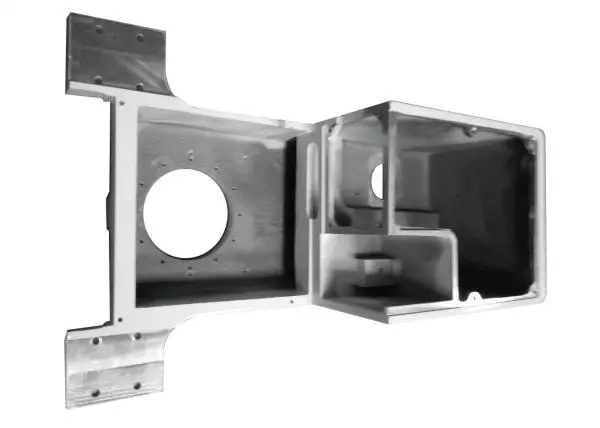
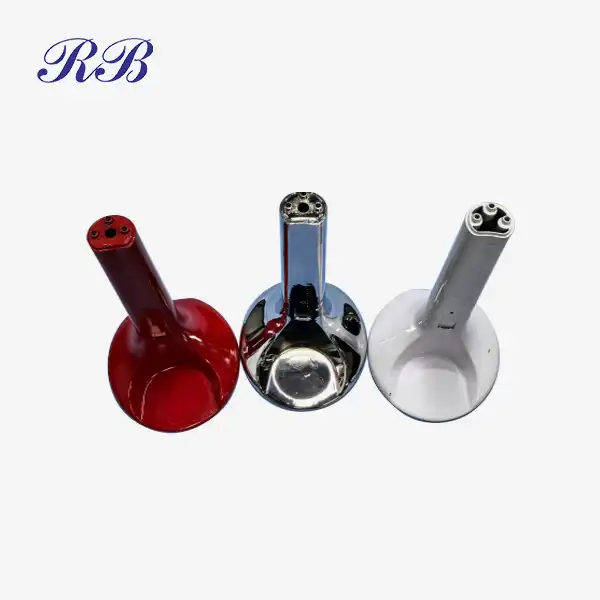
For prototyping, iron and aluminum machined castings are important ways to make things because they let engineers and procurement professionals test designs before they start making them on a large scale. During the prototype aluminum casting process, molten aluminum alloys are poured into very thin molds. As a result, parts that work and are very close to the final production specs are made. The natural benefits of aluminum include being light, resistant to corrosion, and easy to machine. This method combines these with advanced casting techniques to make prototypes that meet strict industry standards in the construction, aerospace, automotive, and industrial equipment sectors.
Prototype Aluminum Casting Role in Prototype Production
Buying managers and technical engineers need a reliable way to turn design ideas into real parts that can be tested. That's why prototype aluminum casting prototypes are an important part of modern product development. When things are made this way, molten aluminum is poured into molds that have been carefully thought out. This creates parts with the right size and mechanical properties for a full prototype test.
Key Benefits of Aluminum in Prototype Development
Because of the way they are made, aluminum alloys are great for making prototypes. Aluminum is very light, which makes it easier to test and cheaper to ship. It can also pass functional stress testing because it has a high strength-to-weight ratio. Because they don't rust, prototypes can be tested for longer periods of time without worrying about the material breaking down.
It is easy to see how cost-effective aluminum casting is when you look at other ways to make prototypes. Aluminium casting is a very cost-effective way to make prototypes in medium volumes, even though the initial tools may seem expensive. This is because many versions can be made quickly and cheaply. Companies that make cars and industrial equipment that need to go through many design validation cycles will benefit from this cost advantage the most.
Comparative Analysis: Aluminum vs. Iron Machined Castings
When it comes to performance and use, you can choose between iron machined castings and aluminum machined castings. Parts that need to be light, resistant to corrosion, and good at moving heat around can be made from aluminum castings. They can be used in cars, planes, and electronic housings because of this. However, iron castings are better for heavy machinery that needs to last a long time because they are stronger and don't wear down as quickly.
When engineers choose materials for casting, they have to pay close attention to how they behave mechanically. Cast iron can have strengths of over 700 MPa, while aluminum alloys usually have strengths between 130 and 570 MPa. But aluminum is often better for light-duty uses than iron, which is about 7.2 g/cm³ denser, so it is thinner and lighter.
Exploring the Prototype Aluminum Casting Process and Techniques
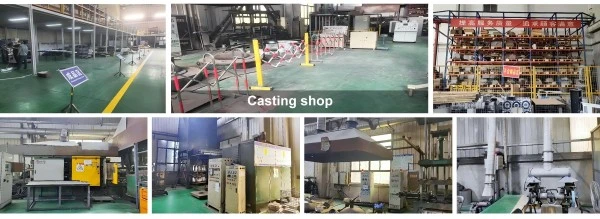
Several complicated manufacturing methods are used in the prototype aluminum casting process. Each one is better for certain prototype needs. If people who work in procurement understand these steps, they can make choices that are best for both performance and cost.
Low-Pressure Die Casting for Enhanced Quality
In the advanced method of low-pressure casting, controlled pressure pushes the molten aluminum up into the mold. This method gives more accurate measurements and fewer holes than gravity casting, which makes it ideal for making complicated shapes that need to be within very small limits. Oxide formation is kept to a minimum by the controlled filling process, which also makes sure that the material properties stay the same during the casting.
Production capacity is very important when you're looking at low-pressure casting for making prototypes. Manufacturers can usually make 5,000 pieces a year with dedicated low-pressure systems. This is plenty for large prototype testing and validation programs. Since this method can be used over and over, the quality will stay the same for all prototypes.
Material Selection: A356 Aluminum Alloy Advantages
We recommend A356 aluminum alloy for prototype casting because it is strong, easy to work with, and can be cast. This alloy of silicon and magnesium flows easily when poured, which lets you make sections with thin walls and complicated shapes that are common in modern prototype designs.
Because of how it works mechanically, A356 alloy is great for making parts that need to be strong but also light. If you heat treat A356 the right way, it can reach ultimate tensile strengths of 310 MPa and yield strengths of 270 MPa. This should be enough for most prototype testing. Because it is easy to machine, the alloy makes it simple for CNC operations after casting to meet exact size needs.

CNC Machining Integration for Precision
CNC machining after casting is a key step in getting the surface finish and precise measurements needed for prototypes that work. The casting process can be used to make castings that are close to the net shape, and then precision machining can be used to get the final dimensions. Together, they cut down on waste and make sure the surface is perfect for testing.
Another way to improve the look and performance of prototype parts is to shot blast them. This creates smooth surfaces that make coatings stick better and the parts look better overall. The treatment also helps find any flaws on the surface that might affect how well the prototype works. This lets the parts' quality be checked before they are tested.
Comparing Prototype Aluminum Casting with Alternative Prototype Production Methods
Compared to other prototyping methods, prototype aluminum casting clearly stands out when it comes to performance, cost, and the ability to make more of the product.
Performance Advantages Over 3D Printing
When you need to change designs quickly, additive manufacturing is great. But for functional testing, aluminum castings are better because they have better mechanical properties. The isotropic properties of cast aluminum mean that the parts work the same way whether they are loaded in one direction or another. The layers may not stick together perfectly in 3D printed parts, so they may be weak in some directions.
The surface finish from casting and then milling is better than most additive manufacturing methods, so you don't need to do as much post-processing. While the prototype is being tested, this benefit is especially helpful for parts that need precise surfaces that fit together or properties that make them more aerodynamic.
Scalability Considerations for Medium Volume Production
When making prototypes that could be turned into low or medium-volume production, casting aluminum is the best method. People often don't have to make many changes to the tools and methods they use to make prototypes in order to make hundreds or thousands of pieces. The overall cost of development goes down and the time it takes to get a product to market goes up because of this ability to make transitions smoothly.
Casting is better than other methods because it lets you make changes that are more specific. Engineers can change the alloy they use, how it is heated, and how it is finished to make a prototype work better without changing how things are made in general. This flexibility is very useful during the iterative steps of making the design better.
How to Select the Right Prototype Aluminum Casting Supplier?
There are many things you need to carefully think about when choosing the right prototype aluminum casting supplier. These things will have a direct impact on the project's success, delivery times, and the overall quality of the prototype.
Essential Certification and Quality Standards
The requirements for becoming a certified supplier must match the needs of the customer and the standards of the industry. You can be sure that your quality management systems are complete if they are ISO9001:2015 certified. Getting certified in ISO14001 and ISO45001 shows that you can take care of both safety and the environment. You can be sure that suppliers follow the same steps every time and can meet the specific needs of prototypes if they have these certifications.
From checking the raw materials to delivering the finished product, quality control systems should be in charge of the whole production process. Prototype parts are more likely to be reliable if their suppliers test them thoroughly by measuring their sizes, checking the properties of the materials, and looking at the quality of the surfaces.
Lead Time and Capacity Evaluation
It's very important to find out how much they can make when looking at possible suppliers for prototype projects. As long as a company can make at least 5,000 items a year, they should be able to meet urgent prototype needs without sacrificing quality. When procurement teams know what a supplier can really do, they can set realistic deadlines for projects and avoid delays.
Where a supplier is located is another thing that comes into play. Suppliers in well-known places to make things, like Xi'an, China, can often offer lower prices because they can get skilled workers and have supply chains that are already set up. When making the overall project schedule, though, the need for transportation packaging and logistics coordination must be taken into account.
Customization Capabilities and OEM/ODM Services
Full OEM/ODM service providers are very helpful for projects that need to make prototypes. Because of these features, people can work together closely during the design optimization stages. This makes sure that issues related to making the product are thought about early on in the development process. When a supplier can both make molds and treat the surface of the products, they can offer prototype production solutions that are more efficient and work well with each other.
Being able to change things to fit specific needs is very important for prototypes where standard parts might not work for testing. It's easy to change the specs of a prototype with suppliers who have flexible production methods. You just have to wait longer or pay more.
Conclusion
Machined castings made of iron and aluminum are useful for making prototypes and are used to develop new products in many areas today. As a result of its higher strength-to-weight ratio, low cost, and ease of machineability, prototype aluminum casting is the best material for making working models that need to be tested and proven thoroughly. Precision CNC machining and advanced casting methods, such as low-pressure die casting, are used together to make parts that meet strict size and performance standards. Providers must have the right certifications, production capacity, and customization options to support iterative design development and make sure projects are finished on time for prototype programs to work.
Partner with Rongbao Enterprise for Superior Prototype Aluminum Casting Solutions
For high-quality prototype aluminum casting manufacturing, Rongbao Enterprise is the place to go. They have been in business for 20 years and can do everything in the production chain. We have ISO9001:2015, ISO14001, and ISO45001-certified high-tech low-pressure die casting facilities that make prototypes that are the best quality and meet all the strictest requirements. We offer integrated CNC machining and shot blasting services for A356 aluminum alloy parts that are made to your exact specifications. This gives them a smooth surface finish and exact size accuracy.
We offer OEM/ODM services and can make up to 5,000 pieces per year, so we can meet all of your prototype aluminum casting supplier needs with consistent quality and on-time delivery. Please contact steve.zhou@263.net or zhouyi@rongbaocasting.com to discuss your prototype development needs and learn how our full manufacturing services can help you get your product to market more quickly.
FAQ
Q1:What are typical lead times for prototype aluminum casting projects?
A1:It depends on the project's difficulty, the tools needed, and the supplier's workload that lead times for prototype aluminum casting are set. Simple prototypes that can be made with existing tools can be finished in two to four weeks. However, it can take six to eight weeks to make complex geometries that need new molds. For projects that need to be done quickly, suppliers with dedicated prototype production lines that can make 5,000 pieces per year usually have more stable schedules.
Q2:How suitable are aluminum cast prototypes for rigorous functional testing?
A2:Iron-cast prototypes are great for functional testing because they don't change size much and have good mechanical properties. A356 alloy parts can be put through a lot of stress tests and still stay the same size. Cast aluminum works the same way no matter what kind of load it is put on it because it is an isotropic material. In other words, prototypes let you see how the real thing will work.
Q3:Which aluminum alloy provides optimal performance for prototype applications?
A3:The best aluminum alloy for prototype casting is A356, which is easy to cast, strong, and easy to work with. When it is poured, this silicon-magnesium alloy is very fluid, so it can be shaped in a lot of different ways. Additionally, it has good mechanical properties that make it suitable for most functional testing needs. The properties of the alloy can be made better for certain prototype uses by changing how it reacts to heat treatment.
References
- Davis, J.R. "Aluminum and Aluminum Alloys: ASM Specialty Handbook." ASM International Materials Park, 1993.
- Campbell, John. "Complete Casting Handbook: Metal Casting Processes, Metallurgy, Techniques and Design." Butterworth-Heinemann, 2015.
- Bonollo, Franco, et al. "Gravity and Low Pressure Die Casting of Aluminium Alloys: A Technical and Economic Analysis." La Metallurgia Italiana, 2005.
- Totten, George E. "Handbook of Aluminum: Volume 2: Alloy Production and Materials Manufacturing." Marcel Dekker, 2003.
- Green, Nicholas R. "Die Casting Processes and Properties for Aluminum Alloy Applications." International Journal of Metalcasting, 2017.
- Wang, L. "Advanced Manufacturing Processes for Aluminum Prototype Development." Journal of Materials Processing Technology, 2019.
_1751074553490.webp)
Learn about our latest products and discounts through SMS or email