- English
- French
- German
- Portuguese
- Spanish
- Russian
- Japanese
- Korean
- Arabic
- Greek
- German
- Turkish
- Italian
- Danish
- Romanian
- Indonesian
- Czech
- Afrikaans
- Swedish
- Polish
- Basque
- Catalan
- Esperanto
- Hindi
- Lao
- Albanian
- Amharic
- Armenian
- Azerbaijani
- Belarusian
- Bengali
- Bosnian
- Bulgarian
- Cebuano
- Chichewa
- Corsican
- Croatian
- Dutch
- Estonian
- Filipino
- Finnish
- Frisian
- Galician
- Georgian
- Gujarati
- Haitian
- Hausa
- Hawaiian
- Hebrew
- Hmong
- Hungarian
- Icelandic
- Igbo
- Javanese
- Kannada
- Kazakh
- Khmer
- Kurdish
- Kyrgyz
- Latin
- Latvian
- Lithuanian
- Luxembou..
- Macedonian
- Malagasy
- Malay
- Malayalam
- Maltese
- Maori
- Marathi
- Mongolian
- Burmese
- Nepali
- Norwegian
- Pashto
- Persian
- Punjabi
- Serbian
- Sesotho
- Sinhala
- Slovak
- Slovenian
- Somali
- Samoan
- Scots Gaelic
- Shona
- Sindhi
- Sundanese
- Swahili
- Tajik
- Tamil
- Telugu
- Thai
- Ukrainian
- Urdu
- Uzbek
- Vietnamese
- Welsh
- Xhosa
- Yiddish
- Yoruba
- Zulu
How to size a stator housing for a lift lifting cylinder?
Engineering precision meets practical application when sizing stator housing components for lift lifting cylinder systems. This critical design phase determines not only operational efficiency but also long-term reliability and maintenance requirements that directly impact total cost of ownership.
When specifying electromagnetic components for lift systems, designers face more and more difficult problems. These parts must consistently work while also having to fit into very small spaces and be very light. The stator housing is the main structural part that holds the electromagnetic windings, offers mechanical mounting interfaces, and helps keep the temperature down during long operational cycles that can last decades in commercial settings.
Modern lift systems need complex engineering studies that look at many interconnected factors, such as load characteristics, duty cycles, environmental conditions, and installation limitations. Unlike standard motor applications where standardized housings suffice, lift systems often require customized solutions that optimize performance within specific architectural and operational parameters. Because things are so complicated, systematic sizing methods have been created to help choose parts that will work well while keeping costs and upkeep needs to a minimum over time.
There are three important review areas that must be carefully balanced during the sizing process to get the best system performance. Each domain has its own technical problems and economic issues that affect the end part specifications and how they are bought.
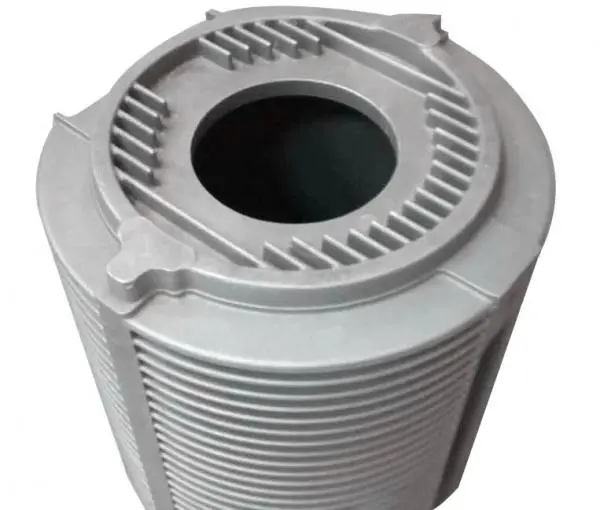
Stator Dimensions
The fundamental dimensions of a stator housing directly correlate with electromagnetic performance characteristics and mechanical integration requirements within lift cylinder assemblies. Primary dimensional parameters include bore diameter, overall length, mounting flange configurations, and wall thickness distributions that collectively determine both electrical performance and structural adequacy under operational loads.
Bore diameter represents the most critical dimensional parameter, as it directly influences magnetic flux density and electromagnetic efficiency characteristics. Standard industry practice utilizes bore diameters ranging from 120mm for light-duty applications to 400mm for heavy-duty freight elevators, though custom applications may require dimensions outside these ranges. The relationship between bore diameter and torque output follows established electromagnetic principles, with larger diameters generally providing higher torque capabilities at the expense of increased material costs and installation space requirements.
Axial length considerations become particularly complex in lift applications due to space constraints within elevator shafts and machine rooms. Modern gearless traction systems often require compact axial profiles that minimize building space requirements while maintaining adequate electromagnetic performance. The trade-off between axial length and radial dimensions requires careful optimization to achieve desired torque characteristics within available installation envelopes.
Dimensional Calculation Considerations: When evaluating stator housing dimensions for A356 aluminum alloy constructions, thermal expansion coefficients of approximately 23 × 10⁻⁶ /°C must be incorporated into tolerance calculations. For a typical 15.8KG housing with 200mm bore diameter, temperature variations of 50°C result in dimensional changes of approximately 0.23mm, requiring appropriate clearance allowances in bearing fits and mounting interfaces.
Wall thickness optimization presents competing requirements between structural integrity and heat dissipation characteristics. Thicker walls provide enhanced mechanical strength and vibration damping but impede thermal transfer from internal windings to external cooling surfaces. Contemporary finite element analysis tools enable optimization of wall thickness distributions that maintain structural adequacy while maximizing thermal conductivity paths essential for continuous duty applications common in commercial lift installations.
Mounting flange configurations must accommodate both mechanical loads and electrical connections while providing access for maintenance operations. When you combine cable entry holes, grounding connections, and mounting bolt patterns, you need to think carefully about how to put them and how they will work in the long term. Standardized flange patterns facilitate interchangeability but may not optimize space utilization in custom installations where dimensional constraints drive component specifications.
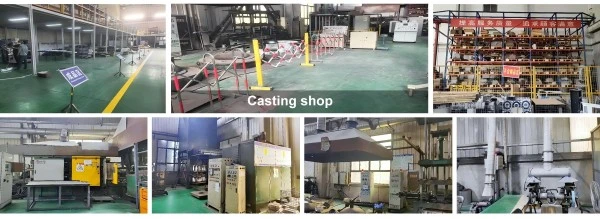
Lift Motor Power & Load Requirements
Power requirements for lift applications encompass both steady-state operational demands and transient conditions that occur during acceleration, deceleration, and emergency stopping scenarios. The electromagnetic design of stator windings directly influences housing thermal loads and structural requirements, creating interdependencies between electrical specifications and mechanical housing characteristics that must be carefully evaluated during the sizing process.
Continuous duty ratings for lift motors typically range from 5kW for residential applications to 50kW or higher for high-speed commercial installations, with corresponding thermal loads that must be dissipated through housing structures to maintain winding temperatures within acceptable limits. The thermal conductivity of A356 aluminum alloy (approximately 150 W/m·K) provides favorable heat dissipation characteristics compared to traditional ferrous housing materials, though thermal path optimization remains critical for high-power applications.
Load profile analysis reveals the intermittent nature of lift operations creates unique thermal cycling conditions that influence housing material selection and dimensional specifications. Unlike continuous industrial applications, lift motors experience repeated start-stop cycles with varying load conditions that create thermal stresses within housing structures. These thermal cycles can induce dimensional variations that affect bearing fits and electromagnetic air gap tolerances, requiring careful material selection and stress analysis during the housing design phase.
Power Density Considerations: Modern permanent magnet synchronous motors achieve power densities approaching 3-4 kW/kg, significantly higher than traditional induction designs. This increased power density places greater thermal stress on stator housing structures, requiring enhanced cooling provisions and thermal management strategies that influence housing geometry and material specifications.
Peak power requirements during emergency operations can exceed nominal ratings by factors of 2-3, creating short-duration thermal transients that must be accommodated without compromising long-term reliability. The thermal mass of stator housing components provides beneficial thermal buffering during these transient conditions, though housing material selection and geometry optimization remain critical for managing peak temperatures and thermal gradients that could affect electromagnetic performance.
Regenerative braking applications common in modern lift systems introduce additional complexity through reverse power flow conditions that alter thermal distribution patterns within stator assemblies. The bidirectional power characteristics require housing thermal analysis that considers both motoring and generating operational modes to ensure adequate thermal management throughout the complete operational envelope.
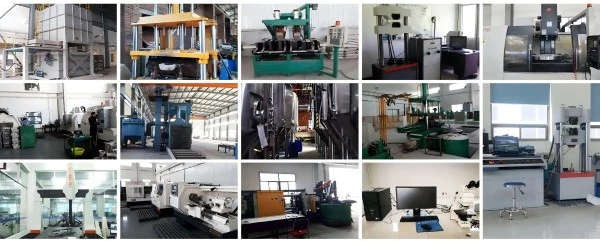
Cylinder Installation Space Constraints
Installation space limitations within elevator shafts and machine rooms impose stringent geometric constraints that often drive stator housing specifications more decisively than pure electromagnetic considerations. Modern building designs increasingly emphasize space efficiency, creating challenging installation environments where every millimeter of component dimension affects overall system feasibility and construction costs.
Headroom constraints in machine-roomless elevator installations require compact motor designs that minimize axial dimensions while maintaining adequate electromagnetic performance. The integration of stator assemblies within hoistway spaces demands careful consideration of maintenance access requirements, cable routing provisions, and heat dissipation pathways that may conflict with space optimization objectives. These competing requirements often necessitate custom housing geometries that deviate from standard industrial motor configurations.
Seismic considerations in regions with earthquake activity introduce additional structural requirements that influence stator housing design and mounting provisions. The mass distribution of stator assemblies affects dynamic loading on building structures during seismic events, requiring careful evaluation of component weights and mounting configurations that minimize structural loads while maintaining operational safety margins.
Environmental constraints within elevator installations include temperature variations, humidity control, and contamination protection requirements that influence housing material selection and surface treatment specifications. Underground installations may encounter groundwater infiltration risks, while rooftop machine rooms experience extreme temperature cycling that affects thermal expansion characteristics and long-term dimensional stability of housing components.
Maintenance access requirements create additional spatial constraints that affect housing configuration and component layout. Service procedures for bearing replacement, winding maintenance, and system troubleshooting require adequate clearances around stator assemblies that may conflict with space optimization objectives. The balance between compact installation and maintainability considerations often determines final housing specifications and installation configurations.
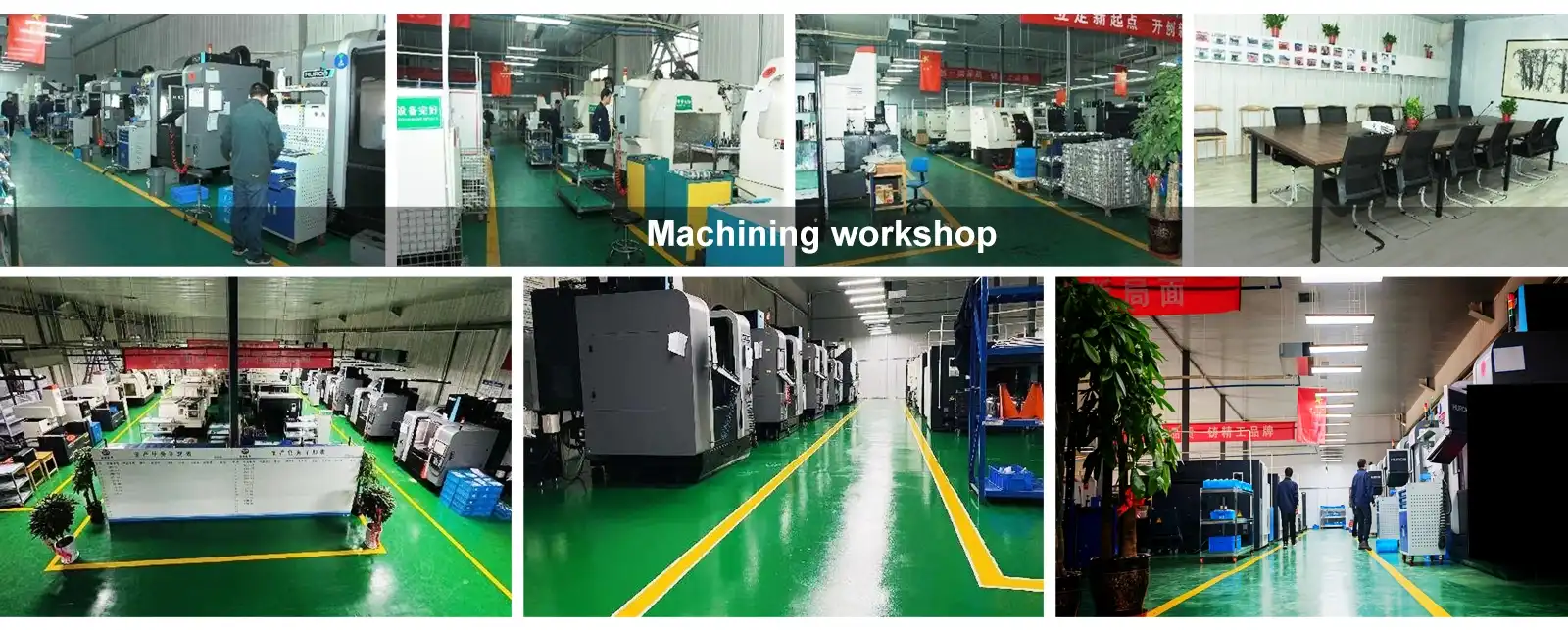
Rongbao's Lift Cylinder Stator Housing Solutions
Our special stator housing designs for lift lifting cylinder uses high-tech A356 aluminum alloy building and precise engineering to deal with the specific problems that come up in elevator setups. Through low-pressure casting processes followed by precision CNC machining, we achieve the dimensional accuracy and surface finish quality required for reliable long-term operation in demanding lift applications.
Each 15.8KG housing undergoes comprehensive shot blasting surface preparation and quality validation under ISO9001:2015 certification standards. Our Xi'an manufacturing facility maintains production flexibility to accommodate customized specifications while delivering consistent quality across production runs of up to 1000 pieces per production cycle.
For technical consultation regarding stator housing sizing and specification for your lift lifting cylinder applications, contact our engineering specialists at steve.zhou@263.net or zhouyi@rongbaocasting.com. Our team can provide detailed analysis of dimensional requirements, thermal management strategies, and installation optimization for your specific project requirements.
References
1. Hughes, A., & Drury, B. (2019). Electric Motors and Drives: Fundamentals, Types and Applications. 5th Edition. Newnes Publications.
2. Boldea, I., & Nasar, S.A. (2017). The Induction Machines Design Handbook. 3rd Edition. CRC Press Taylor & Francis Group.
3. Fitzgerald, A.E., Kingsley, C., & Umans, S.D. (2020). Electric Machinery. 8th Edition. McGraw-Hill Education.
4. International Electrotechnical Commission. (2018). IEC 60034-1: Rotating Electrical Machines - Part 1: Rating and Performance. IEC Publications.
5. American Society of Mechanical Engineers. (2019). ASME A17.1/CSA B44 Safety Code for Elevators and Escalators. ASME Press.
Learn about our latest products and discounts through SMS or email