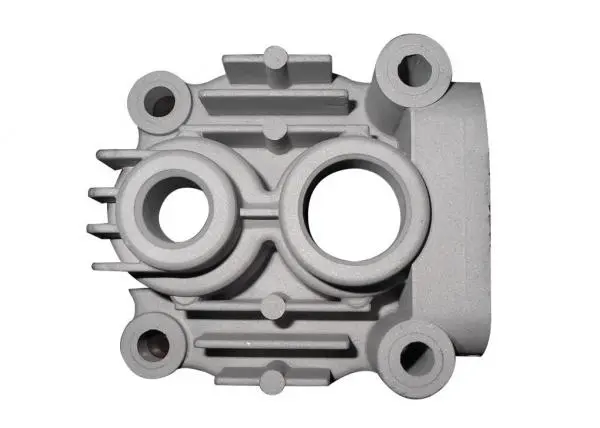
Porosity: The Hidden Menace in High Pressure Die Casting
Porosity is perhaps the most pervasive and challenging defect in high pressure die casting. It refers to the presence of tiny voids or cavities within the cast part, which can significantly impact the component's mechanical properties and overall quality.
Types of Porosity in HPDC
There are primarily two types of porosity encountered in high pressure die casting:
- Gas Porosity: This occurs when gases (typically air or hydrogen) become trapped within the molten metal during the casting process.
- Shrinkage Porosity: This type of porosity forms as the metal solidifies and contracts, creating voids in areas that solidify last.
Causes of Porosity in High Pressure Die Casting
Several factors can contribute to the formation of porosity in HPDC parts:
- Inadequate venting of the die cavity
- Excessive lubricant application
- Improper gating and runner design
- Insufficient metal temperature or injection pressure
- Turbulent metal flow during cavity filling
Mitigating Porosity in HPDC
To reduce porosity in high pressure die casting, manufacturers can implement several strategies:
- Optimize die design to improve venting and reduce turbulence
- Implement vacuum-assisted die casting techniques
- Fine-tune process parameters such as injection speed and pressure
- Ensure proper melt quality and temperature control
- Use advanced simulation software to predict and prevent porosity formation
Cold Shuts or Misruns: Incomplete Casting Challenges
Cold shuts and misruns are defects that result in incomplete or partially formed castings. While often grouped together, they have distinct causes and characteristics.
Cold Shuts in HPDC
A cold shut occurs when two streams of molten metal meet but fail to fuse completely, resulting in a visible line or seam in the casting. This defect is particularly problematic in thin-walled sections or areas far from the gate.
Misruns: When Metal Flows Fall Short
Misruns happen when the molten metal fails to completely fill the die cavity, resulting in an incomplete casting. This can be due to insufficient metal volume, premature solidification, or inadequate venting.
Root Causes of Cold Shuts and Misruns
Several factors can lead to these defects in high pressure die casting:
- Low metal temperature or die temperature
- Insufficient injection pressure or speed
- Poor gating system design
- Inadequate venting of the die cavity
- Excessive lubricant application
Preventing Cold Shuts and Misruns
To minimize these defects, consider the following strategies:
- Optimize metal and die temperatures
- Improve gating system design to ensure balanced metal flow
- Increase injection pressure and speed where appropriate
- Enhance die venting to allow trapped gases to escape
- Use flow simulation software to identify potential problem areas
Cracks: Structural Integrity at Risk
Cracks are among the most severe defects in high pressure die casting, as they can significantly compromise the structural integrity and functionality of the cast part.
Types of Cracks in HPDC
Cracks in high pressure die castings can be categorized into several types:
- Hot Tears: Form during solidification due to thermal stresses
- Cold Cracks: Develop after solidification, often due to residual stresses
- Stress Cracks: Result from excessive force during part ejection or handling
Factors Contributing to Crack Formation
Several factors can lead to crack formation in high pressure die castings:
- Uneven cooling rates within the casting
- Excessive thermal gradients between thin and thick sections
- Improper alloy composition or melt quality
- Inadequate die design, particularly in areas of stress concentration
- Premature part ejection or improper handling
Strategies to Prevent Cracks in HPDC
To minimize the occurrence of cracks in high pressure die castings, consider the following approaches:
- Optimize part design to reduce sharp corners and sudden thickness transitions
- Implement proper thermal management techniques in the die
- Ensure consistent alloy composition and melt quality
- Use simulation software to predict and mitigate areas of high stress
- Develop appropriate cooling and ejection strategies
Understanding and addressing common defects such as porosity, cold shuts, misruns, and cracks is crucial for achieving high-quality results in high pressure die casting. By implementing proper design strategies, optimizing process parameters, and leveraging advanced technologies, manufacturers can significantly reduce the occurrence of these defects and improve overall product quality.
High Pressure Die Casting Supplier: Rongbao Enterprise
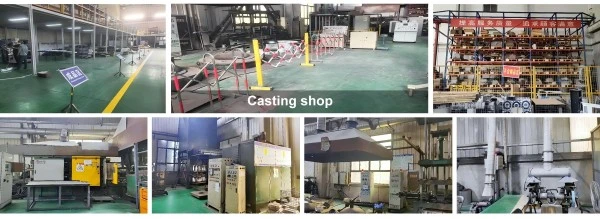
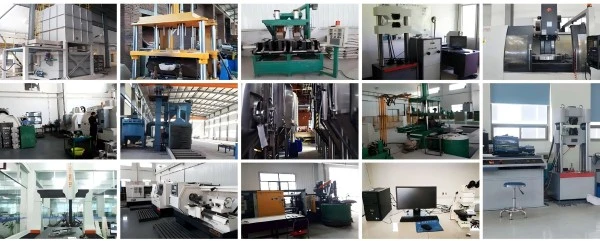
For those seeking expert high pressure casting services, Rongbao Enterprise stands out as a reliable partner. With a wealthy history dating back to 2003, Rongbao has set up itself as a specialized producer in aluminum amalgam casting and accuracy handling. Their comprehensive extend of administrations incorporates high-pressure pass on casting, low-pressure kick the bucket casting, gravity casting, and accuracy machining.
Rongbao Enterprise's commitment to quality is evident through their certifications:
- ISO 9001:2016 Quality Management System
- ISO 14001 Environmental Management System
- ISO 45001 Occupational Health and Safety Management System
With a global footprint that sees 70% of its products exported to markets in the United States, Europe, Japan, and beyond, Rongbao has proven its ability to meet international standards and expectations.
Whether you're in the automotive industry, aerospace sector, medical field, or involved in equipment manufacturing or the electrical and electronic industry, Rongbao offers tailored solutions to meet your specific needs. Their product range includes aluminum gravity casting parts, gutter support brackets, cast half circles, motor cover castings, aluminum die casting alloy A380, decorative metal castings, cast instrument boxes, casting accessories for natural gas control valves, and casting motor end covers.
If you're looking for a partner that can deliver high-quality high pressure die castings with reasonable cost control, stable and timely delivery, controllable product quality, and excellent after-sales service, Rongbao Enterprise is your go-to solution.
Get in touch with Rongbao Enterprise today. Contact Steve Zhou at steve.zhou@263.net or reach out to their casting department at zhouyi@rongbaocasting.com to discuss your project requirements and experience the Rongbao difference.