- English
- French
- German
- Portuguese
- Spanish
- Russian
- Japanese
- Korean
- Arabic
- Greek
- German
- Turkish
- Italian
- Danish
- Romanian
- Indonesian
- Czech
- Afrikaans
- Swedish
- Polish
- Basque
- Catalan
- Esperanto
- Hindi
- Lao
- Albanian
- Amharic
- Armenian
- Azerbaijani
- Belarusian
- Bengali
- Bosnian
- Bulgarian
- Cebuano
- Chichewa
- Corsican
- Croatian
- Dutch
- Estonian
- Filipino
- Finnish
- Frisian
- Galician
- Georgian
- Gujarati
- Haitian
- Hausa
- Hawaiian
- Hebrew
- Hmong
- Hungarian
- Icelandic
- Igbo
- Javanese
- Kannada
- Kazakh
- Khmer
- Kurdish
- Kyrgyz
- Latin
- Latvian
- Lithuanian
- Luxembou..
- Macedonian
- Malagasy
- Malay
- Malayalam
- Maltese
- Maori
- Marathi
- Mongolian
- Burmese
- Nepali
- Norwegian
- Pashto
- Persian
- Punjabi
- Serbian
- Sesotho
- Sinhala
- Slovak
- Slovenian
- Somali
- Samoan
- Scots Gaelic
- Shona
- Sindhi
- Sundanese
- Swahili
- Tajik
- Tamil
- Telugu
- Thai
- Ukrainian
- Urdu
- Uzbek
- Vietnamese
- Welsh
- Xhosa
- Yiddish
- Yoruba
- Zulu
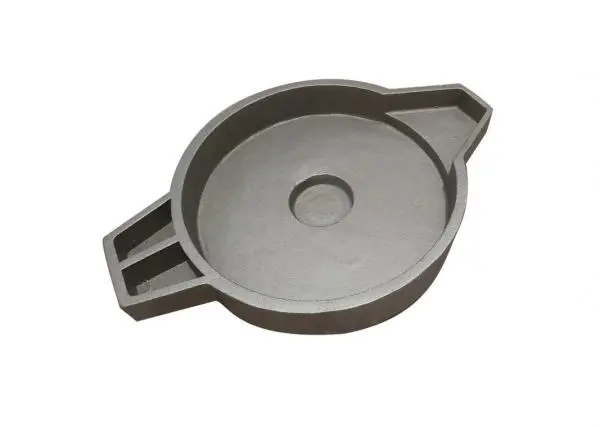
Gravity Casting vs Die Casting: Which Is Better for Aluminum Covers?
When choosing a manufacturing process for aluminum covers, the answer depends on your production volume, design complexity, and budget. For small to medium batches with moderate wall thickness, a gravity casting cover made from alloys like ZL101A typically delivers better structural integrity at lower tooling costs. For high-volume runs demanding tight dimensional tolerances and fine surface detail, die casting is the stronger fit. Neither process is universally superior — the right choice comes down to your specific application requirements and supply chain priorities.
Understanding Gravity Casting and Die Casting for Aluminum Covers
It is helpful to know how each process works before comparing how well it works and how much it costs. These two ways of making aluminum covers are fundamentally different from one another.
How Gravity Casting Works
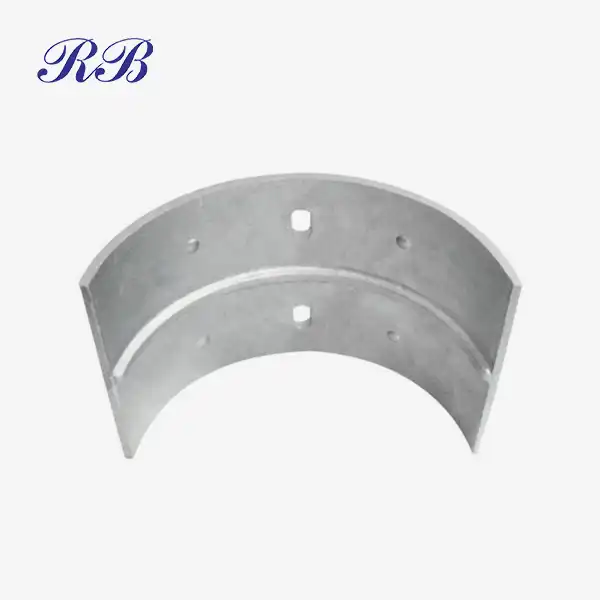
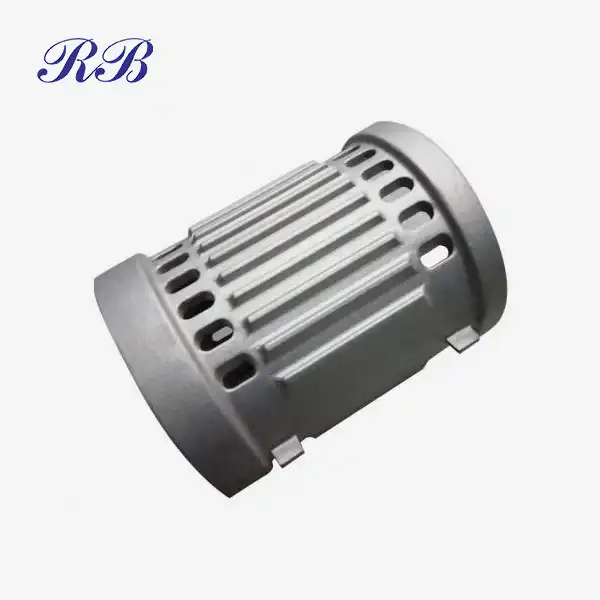
Molten aluminum, usually a high-silicon alloy like ZL101A, is poured into a permanent metal form in gravity casting. The shape is then filled by gravity alone. There is no outside pressure. This method works well for parts weighing between 0.5 kg and over 25 kg and wall thicknesses as low as 3–5 mm. The process works especially well for shapes with a moderate level of complexity, like protection housings, frames, and equipment covers.
How Die Casting Works
When die casting, molten aluminum is pushed into a steel die under pressures that are usually between 10 and 175 MPa. This high-pressure filling makes it easy for the metal to get to thin-walled areas and small details. Because cycle times are short, die casting is a very efficient way to make a lot of things. However, the cost of the tools is a lot higher than for gravity casting sets.
Key Process Differences at a Glance
The main differences are shown in the table below:
| Factor | Gravity Casting | Die Casting |
|---|---|---|
| Pressure | Gravity only | High pressure (10–175 MPa) |
| Typical batch size | 500–5,000 pcs | 10,000+ pcs |
| Tooling cost | Lower | Higher |
| Surface finish | Good | Excellent |
| Part complexity | Moderate | High |
Performance Comparison: Gravity Casting vs Die Casting Aluminum Covers
After you understand how it's done, the next question is how well the finished parts work.
Strength and Durability
Covers made of gravity cast ZL101, after being heated to T6, usually have a tensile strength of 200 to 230 MPa. Because of this, they work well for industrial machine housings that have to deal with mechanical stress, shaking, or light impact loads. Die-cast parts can be just as strong, but they may have more closed pores, which can make them less resistant to wear when they are loaded and unloaded over and over again.
Dimensional Precision and Surface Finish
Die casting makes tolerances that are often within ±0.1 mm and surfaces that are smoother after casting. The tolerances for gravity casting cover are usually between 0.3 and 0.5 mm, which is fine for most industrial covers. When CNC machining is added after the casting process, it's easy for gravity cast covers to meet requirements for a tight fit. Shot blasting smooths out the surface even more, which makes it look better and helps secondary coatings stick better.
Defect Rates and Quality Control
Gravity casting is less likely than high-pressure die casting to trap gas because the slower fill rate lets air escape more naturally. This makes the porosity rates lower, which is important when covers need to be welded or sealed under pressure. Surface pores or cold shuts can affect die cast covers if process factors change, which means that they need to be closely watched in real time.
Cost and Production Efficiency Analysis
The cost of something is usually not just one number. It includes things like labor, scrap rates, shipping times, and tools. These are the ways that the two processes are different from each other.
Tooling Investment and Break-Even Volume
Most gravity casting cover forms are made from iron or mild steel. They cost 30–60% less than die casting dies made from H13 tool steel that has been strengthened. When buying between 500 and 5,000 pieces per order, gravity casting almost always has a lower total cost per unit, even when tooling amortization is taken into account. Die casting is only cost-competitive when more than 10,000 pieces are made every month.
Lead Times and Delivery Reliability
Die casting dies take 6–10 weeks to make, but gravity casting tooling only takes 3–5 weeks. This means that it works well with shorter project plans. This shorter mold lead time can really cut down on the time it takes to make something for equipment manufacturers who are on a tight assembly schedule. In most cases, a production run of 5,000 gravity cast covers can be finished in 3–4 weeks after the tools are made.
Sustainability and Material Efficiency
When compared to high-pressure die casting, gravity casting makes less die spray waste and uses less machine energy. Reusable permanent molds also cut down on the cost of consumables. As far as manufacturers are concerned, both ISO 14001-certified gravity casting operations and responsible recycling programs for scrap aluminum help to leave less of an impact on the environment.
Choosing the Right Casting Method for Your Aluminum Covers: A Decision Guide
With the data laid out, the decision comes down to matching process characteristics to project requirements. Here are the conditions that favor each method:
Gravity casting is the better choice when:
- Your annual order volume falls between 500 and 5,000 pieces per SKU, and high tooling costs would erode margin
- The cover requires good structural integrity with moderate geometry complexity
- Your design calls for ZL101A or similar high-silicon alloys for corrosion resistance and weldability
- Post-process CNC machining and shot blasting are part of your finishing plan
Die casting is preferable when:
- Monthly volumes consistently exceed 10,000 pieces and per-unit cost reduction is the primary driver
- The cover design requires very thin walls (under 2mm) or highly intricate surface detail
- Cycle time is critical and you can absorb a higher upfront tooling investment
These guidelines can effectively help procurement managers align manufacturing decisions with both technical specifications and budget targets. The right process choice not only controls unit cost but also protects delivery schedules and batch quality consistency — two factors that directly affect equipment assembly line performance.
Partnering with Trusted Gravity Casting Cover Manufacturers
Picking the right process is important, but picking a good gravity casting cover producer is even more important. A reliable supply partner has consistent batch quality, predictable lead times, and quick communication. These are the things that set a reliable supply partner apart from one that causes production problems.
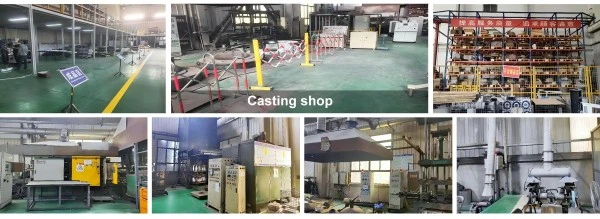
Rongbao Enterprise is based in Xi'an, China, and has a full-service production platform that includes CNC cutting, shot blasting, mold development, low-pressure die casting, and high-pressure die casting. The building has certifications for ISO 9001:2015, ISO 14001, and ISO 45001, which cover managing quality, the environment, and workers' health.
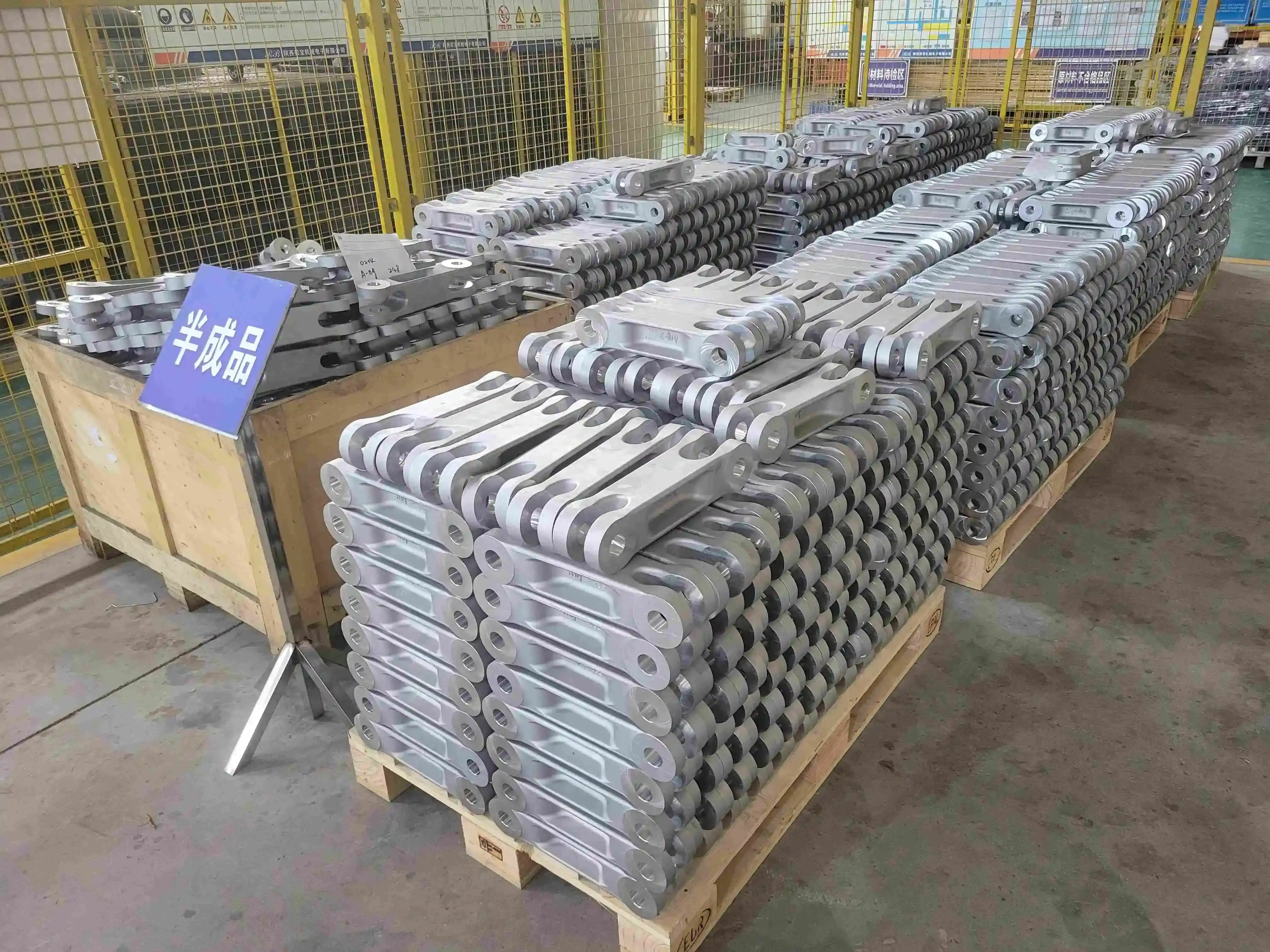
Rongbao makes parts in ZL101A for aluminum cover applications. The normal unit weight is about 0.7 kg, and the parts are packed in wooden boxes to keep them safe during foreign shipping. Up to 5,000 pieces can be made in a single run, and all specs can be changed through OEM/ODM agreements. Since 70% of the company's products are sent to Europe, North America, and Japan, it has a lot of experience meeting the high quality standards of those places.
The ability to get everything from a single source makes this partnership useful for companies that make manufacturing tools. Instead of sending orders to different experts for casting, machining, and surface treatment, procurement teams can combine them into a single managed process. This cuts down on wait times and the work that needs to be done to coordinate with suppliers.

FAQ
What are the main advantages of gravity casting for aluminum covers?
Gravity casting produces aluminum covers with lower internal porosity, good structural strength, and acceptable dimensional accuracy. It requires lower tooling investment than die casting, making it cost-effective for small to medium production volumes. Parts can be further refined with CNC machining and shot blasting to meet tighter tolerances and surface requirements.
How does cost compare between the two methods for mid-volume orders?
For orders between 500 and 5,000 pieces, gravity casting typically delivers a lower total cost per unit. Tooling for gravity casting costs significantly less, and the mold lead time is shorter. Die casting becomes more economical only at sustained high volumes where the tooling investment can be spread across tens of thousands of parts.
What dimensional precision can gravity cast aluminum covers achieve?
As-cast, gravity casting holds tolerances of approximately ±0.3–0.5mm. After CNC machining, covers can meet tolerances of ±0.05mm or tighter depending on the feature. This level of precision satisfies the fit and assembly requirements of most industrial equipment applications.
Can gravity cast covers be customized for OEM applications?
Yes. Manufacturers like Rongbao Enterprise support full OEM and ODM customization, including geometry, alloy selection, weight, and surface treatment. All specifications are confirmed through a sample approval process before mass production begins.
Request a Quote from Rongbao Enterprise — Your Gravity Casting Cover Supplier
From making molds to finishing gravity casting covers, Rongbao Enterprise can do it all. They are approved under ISO 9001:2015, ISO 14001, and ISO 45001. We can help your supply chain because we can make up to 5,000 pieces per run, offer OEM customization, and have been in business for 20 years. For a free quote and consultation, email us at steve.zhou@263.net or zhouyi@rongbaocasting.com, or go to rongbaocasting.com.
Conclusion
Gravity casting and die casting are both useful for different kinds of making. If you need to make between 500 and 5,000 industrial aluminum covers, and you care most about cost control, structural reliability, and moderate precision, gravity casting cover with ZL101A is the best way to go. Die casting has its place when it comes to high numbers and thin walls that make up for the cost of the tools. Finding the right process for your needs protects both the quality of the product and your budget for buying it. When you work with a company that does both processes in-house, your team can change with the times as output needs do.
References
- Beeley, P. R. Foundry Technology. Butterworth-Heinemann, 2001.
- American Foundry Society. Casting Source Directory. AFS, 2020.
- Groover, M. P. Fundamentals of Modern Manufacturing: Materials, Processes, and Systems. Wiley, 2019.
- Kaufman, J. G., & Rooy, E. L. Aluminum Alloy Castings: Properties, Processes, and Applications. ASM International, 2004.
- Campbell, J. Complete Casting Handbook: Metal Casting Processes, Metallurgy, Techniques and Design. Butterworth-Heinemann, 2015.
- Vinarcik, E. J. High Integrity Die Casting Processes. Wiley-Interscience, 2003.
Learn about our latest products and discounts through SMS or email