- English
- French
- German
- Portuguese
- Spanish
- Russian
- Japanese
- Korean
- Arabic
- Greek
- German
- Turkish
- Italian
- Danish
- Romanian
- Indonesian
- Czech
- Afrikaans
- Swedish
- Polish
- Basque
- Catalan
- Esperanto
- Hindi
- Lao
- Albanian
- Amharic
- Armenian
- Azerbaijani
- Belarusian
- Bengali
- Bosnian
- Bulgarian
- Cebuano
- Chichewa
- Corsican
- Croatian
- Dutch
- Estonian
- Filipino
- Finnish
- Frisian
- Galician
- Georgian
- Gujarati
- Haitian
- Hausa
- Hawaiian
- Hebrew
- Hmong
- Hungarian
- Icelandic
- Igbo
- Javanese
- Kannada
- Kazakh
- Khmer
- Kurdish
- Kyrgyz
- Latin
- Latvian
- Lithuanian
- Luxembou..
- Macedonian
- Malagasy
- Malay
- Malayalam
- Maltese
- Maori
- Marathi
- Mongolian
- Burmese
- Nepali
- Norwegian
- Pashto
- Persian
- Punjabi
- Serbian
- Sesotho
- Sinhala
- Slovak
- Slovenian
- Somali
- Samoan
- Scots Gaelic
- Shona
- Sindhi
- Sundanese
- Swahili
- Tajik
- Tamil
- Telugu
- Thai
- Ukrainian
- Urdu
- Uzbek
- Vietnamese
- Welsh
- Xhosa
- Yiddish
- Yoruba
- Zulu
Efficient Titanium Alloy Machining: Real Challenges, Proven Solutions
Titanium alloy machining sits at the intersection of material science and precision manufacturing. For engineers sourcing titanium alloy machined parts — particularly in medical devices, aerospace, or rehabilitation robotics — understanding why this material resists conventional cutting methods is the first step toward making better procurement decisions. This article breaks down the real obstacles machinists face, the solutions that actually work, and what to look for when evaluating a supplier capable of delivering consistent, high-precision results.
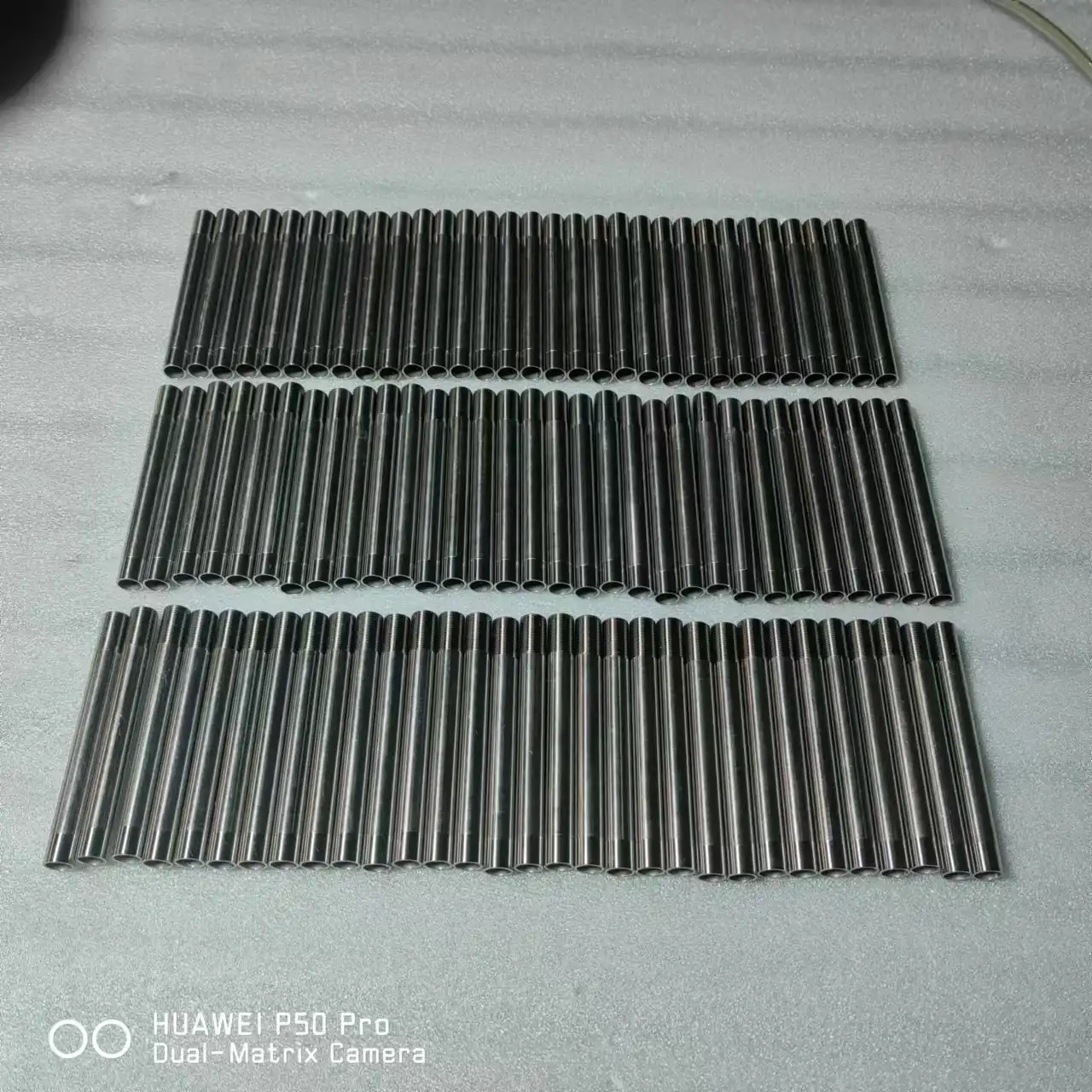

Understanding Titanium Alloy Machining Challenges
Inherent Material Machining Barriers
Titanium alloys are widely recognized for their exceptional comprehensive properties, including superior strength-to-weight ratio, excellent biocompatibility, and outstanding corrosion resistance. These core advantages make titanium alloy machined parts irreplaceable in high-end precision industries, yet they also bring unique machining difficulties that distinguish titanium from common metals like steel, aluminum and stainless steel. A core physical defect restricting titanium machining is its poor thermal conductivity. Unlike steel, titanium cannot rapidly transfer cutting heat to workpieces or chips during mechanical processing. Most cutting heat accumulates intensively on the tool edge, causing rapid tool wear, micro-welding adhesion between the tool tip and workpiece, and unpredictable surface damage to parts.
Work Hardening and Dimensional Instability Risks
Titanium alloys feature extremely sensitive work hardening characteristics. Under external mechanical cutting force, the material surface hardens rapidly in a short time. Without precise and scientific cutting parameter control, the local material surface will soften in advance before the tool cutting edge acts, further increasing cutting resistance and triggering dimensional offset and deformation of finished titanium alloy machined parts. This defect is fatal for high-precision industrial scenarios. Especially for medical device components requiring CT4 to CT6 ultra-high precision tolerances, even tiny work hardening cycles will lead to batch part rejection, resulting in wasted prototype cycles and increased R&D costs.
Common Surface Integrity Defects
Surface quality defects are another major problem in titanium alloy machining, mainly including chatter marks, micro-cracks and material smearing. Different from the conventional cognition that tool shape is the main cause of defects, industrial research confirms that unreasonable feed rates and insufficient coolant pressure are the core inducements of poor surface integrity of titanium alloy machined parts. These subtle surface flaws have little impact on ordinary industrial parts but pose serious hidden dangers for implant-grade medical components and rehabilitation robot parts, as unqualified surface finish will directly affect biocompatibility test results and product service stability.
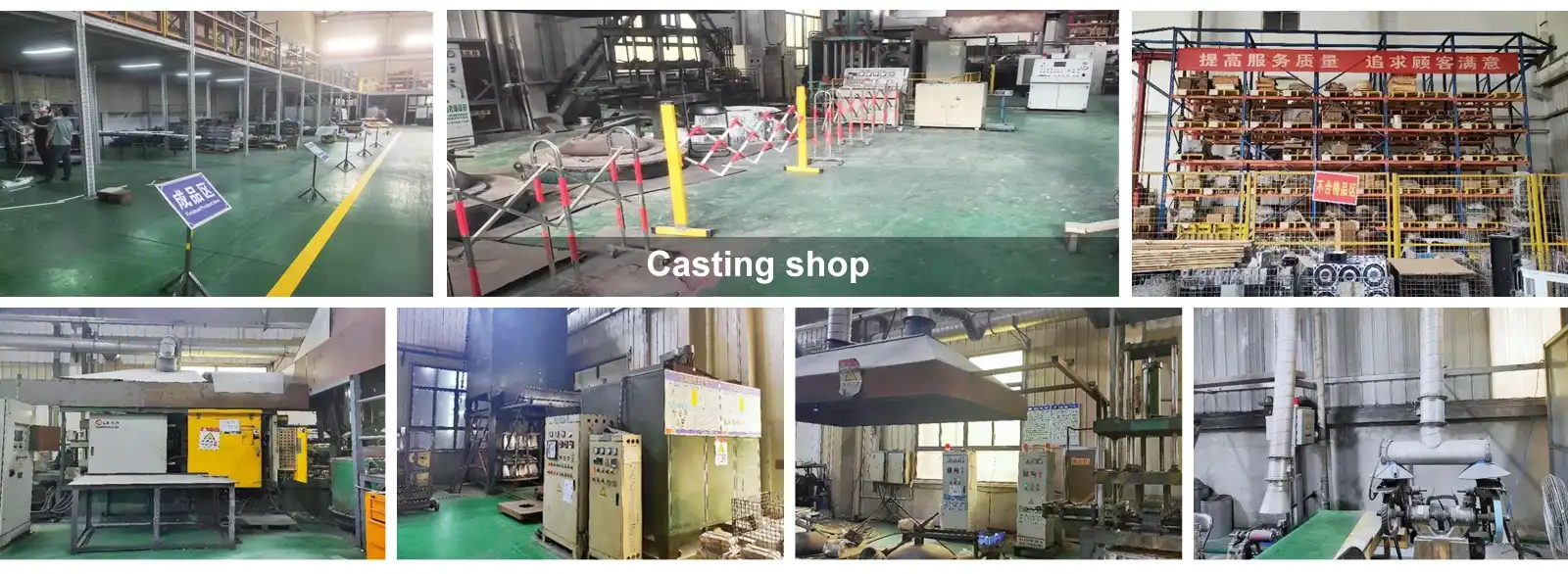
Effective Solutions to Overcome Titanium Machining Challenges
Optimized Cutting Process Parameters
Efficient titanium alloy machining cannot rely solely on simple tool replacement, but requires systematic process optimization to produce high-quality titanium alloy machined parts stably. Cutting speed control is the core foundation of stable titanium processing. For the most widely used Ti-6Al-4V titanium alloy, low-speed cutting is the optimal process, with a reasonable cutting speed range of 40–60 m/min, matched with moderate feed rate and stable coolant flow. Meanwhile, high-pressure coolant supply technology must be adopted to continuously cool the cutting area, keep the temperature of the processing zone below the critical damage temperature, effectively reduce tool thermal wear and micro-welding phenomena, and greatly extend tool service life.
High-Performance Tooling Configuration
Matching professional tooling is key to improving machining accuracy and surface quality for titanium alloy machined parts. Submicron-grade carbide inserts with TiAlN coating are the mainstream tool choice for titanium roughing and semi-finishing, which can effectively suppress built-up edge formation and reduce cutting resistance. For medical-grade parts requiring ultra-smooth surfaces with Ra values below 0.8 μm, polycrystalline diamond tools show more excellent finishing performance, meeting the strict surface specification standards of implant devices.
Advanced Intelligent Machining Equipment and Systems
Multi-axis CNC machining technology is an essential guarantee for processing complex titanium alloy machined parts. Five-axis CNC platforms can realize continuous and stable tool engagement at optimized angles, effectively reduce processing vibration, and complete the processing of complex curved and special-shaped structures in one step without repeated positioning errors. This technology is particularly suitable for rehabilitation robot joint components and aerospace complex structural parts with compound curved surfaces.
Adaptive control systems further improve processing stability and yield rate of precision titanium alloy machined parts. Modern CNC controllers equipped with real-time feed override functions can dynamically monitor spindle load fluctuations during cutting, automatically adjust processing parameters in real time, avoid sudden tool failure, and reduce the scrap rate of high-value titanium blanks.
Closed-Loop Quality Inspection Mechanism
Perfect quality inspection is the final barrier to ensure qualified titanium alloy machined parts. Combining in-process real-time probing with post-process CMM coordinate measuring machine inspection forms a complete closed-loop verification system. For medical-grade titanium components, three-coordinate detection and data comparison with standard CAD models have become standardized production procedures, which can accurately eliminate dimensional errors and hidden surface defects and ensure product consistency and compliance.
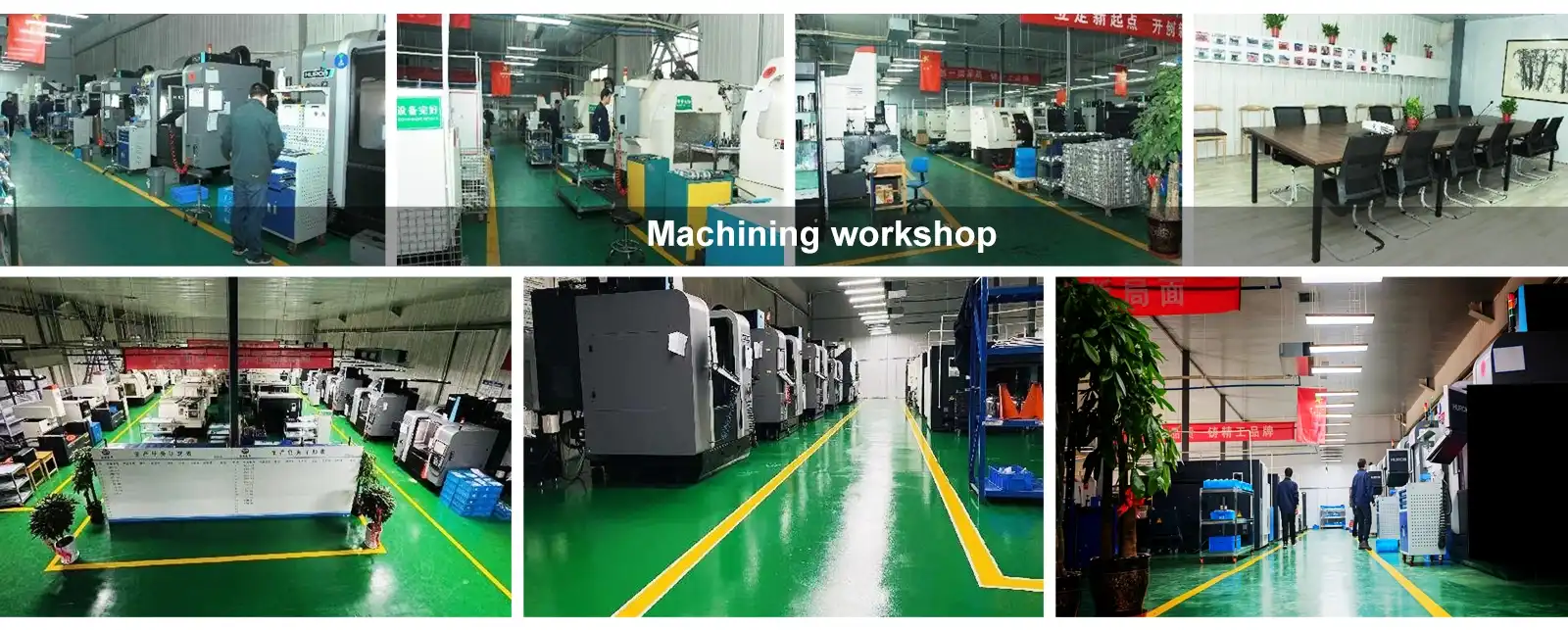
Comparative Insights: Titanium Alloy Machining vs. Other Metals
Machinability Differences of Common Industrial Metals
In industrial procurement, simple unit price comparison is not enough to evaluate the comprehensive cost performance of parts, especially for high-standard titanium alloy machined parts. There are essential differences in machinability, performance and application scope between titanium alloy, aluminum alloy and stainless steel. Among the three, aluminum alloy has the best machinability, with fast heat dissipation and low cutting force requirements, low processing difficulty and cost. However, its wear resistance, structural strength and biocompatibility are far inferior to titanium alloy, and cannot meet the load-bearing and implant safety requirements of rehabilitation exoskeletons and medical implant devices.
Stainless steel has better strength and corrosion resistance than aluminum alloy, but it still cannot match titanium alloy’s comprehensive performance in high-temperature resistance, fatigue resistance and biocompatibility. Meanwhile, stainless steel machining also has defects such as large cutting resistance and easy work hardening, but its overall processing difficulty and scrap rate are significantly lower than titanium alloy.
Applicable Scenarios of Different Titanium Grades
Different grades of titanium alloys have obvious differences in machinability and application orientation, which puts forward higher requirements for supplier's professional capability in manufacturing qualified titanium alloy machined parts. Commercially pure titanium (CP Ti, Grades 1–4) focuses on excellent corrosion resistance, with relatively good machinability, and is mainly used for medical implant bodies with low structural strength requirements and high anti-corrosion demands.
Ti-6Al-4V (Grade 5) is the most widely used structural titanium alloy, with superior mechanical strength and structural stability. It is the preferred material for high-load medical structural parts and aerospace components, occupying the main market of high-precision titanium alloy machined parts. However, its tool wear rate and processing difficulty are higher than pure titanium, requiring suppliers to formulate exclusive processing schemes for different titanium grades to balance machining quality and efficiency.
Procurement Best Practices for Titanium Alloy Machined Parts
Standardized Qualification Certification Requirements
Complete system certification is the basic guarantee of stable quality for customized titanium alloy machined parts. ISO 9001:2015 quality management certification ensures that the supplier has standardized and documentable whole-process quality control procedures. For medical device and biocompatible part procurement, ISO 13485 medical industry special certification is a core mandatory standard, which regulates the whole process of product design, production, inspection and quality traceability of medical parts, effectively avoiding compliance risks.
Strict Material Traceability System
Titanium alloy parts applied in medical and aerospace fields have extremely strict material traceability requirements, which is especially critical for high-end titanium alloy machined parts. Each batch of titanium blanks must be accompanied by complete mill test certificates, with clear and traceable heat numbers and batch numbers. Perfect material traceability system can support product registration filing, post-market quality supervision and after-sales traceability work, which is an indispensable core condition for formal industrial supporting suppliers.
Prototype and Mass Production Service Capability
Medical device and intelligent equipment R&D are iterative processes, which put forward dual requirements of small-batch prototype trial production and large-batch mass production for suppliers of titanium alloy machined parts. Excellent suppliers need to support flexible low-volume prototype orders, and provide complete CMM detection reports with sample delivery to help R&D teams quickly verify solutions and shorten development cycles. At the same time, suppliers must have scalable production capacity to realize seamless switching from prototype trial production to batch mass production, and ensure stable delivery without delaying regulatory submission and project progress.
IP Protection and Transparent Delivery Mechanism
The structural drawings and process data of rehabilitation robots and high-end medical equipment involving customized titanium alloy machined parts contain core enterprise R&D intellectual property. Formal suppliers must establish perfect NDA confidentiality agreements and data access restriction mechanisms to ensure that customer technical data is not leaked or misused. In addition, suppliers need to maintain transparent production capacity and lead time data, accurately feedback production progress, and help customers reasonably arrange project schedules.
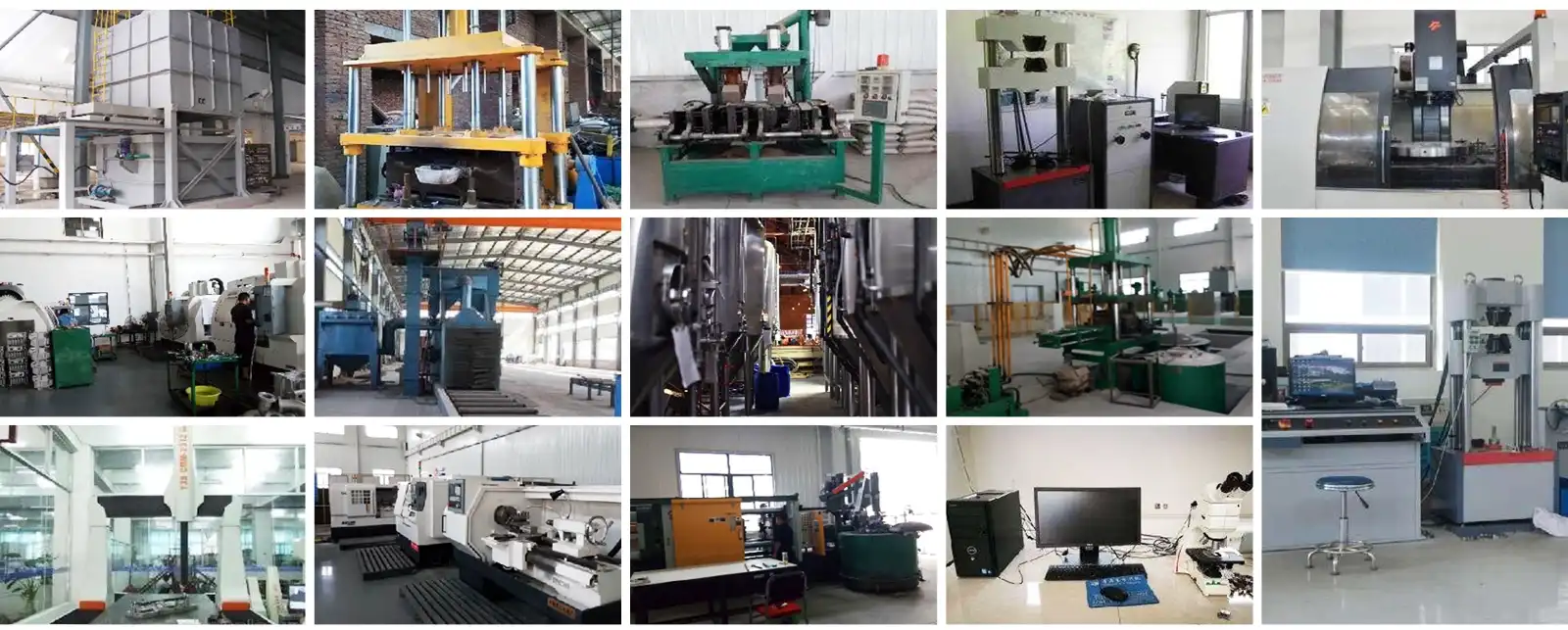
Future Trends and Innovations in Titanium Alloy Machining
Intelligent Machining Technology Upgrade
With the development of intelligent manufacturing, AI-assisted CNC programming has become a new trend in precision processing of titanium alloy machined parts. The system analyzes historical big data such as tool wear law and cutting power consumption, automatically optimizes and generates the best tool path and processing parameters, effectively shortens equipment setup time, and reduces the first-piece scrap rate. This technology is particularly suitable for the iterative R&D mode of medical devices, greatly improving the efficiency of prototype verification and mass production debugging.
Green and Environment-Friendly Processing Technology
Environmental compliance has become an important evaluation index for high-end suppliers of titanium alloy machined parts. Minimum quantity lubrication (MQL) and dry-cutting technologies are gradually replacing traditional large-flow coolant processing methods. These green technologies can effectively reduce coolant consumption and waste liquid disposal costs, while meeting ISO 14001 environmental management system standards, realizing the balance of high-precision processing and green production.
Conclusion
Titanium alloy precision machining is a comprehensive technology integrating material characteristics, process control, precision equipment and quality management. The inherent difficulties of titanium materials such as heat accumulation, work hardening and high precision requirements bring great challenges to processing production, but all problems can be effectively solved through optimized process schemes, professional tool configuration, intelligent processing equipment and perfect quality inspection system.
For procurement engineers focusing on medical devices, aerospace and rehabilitation robot industries, low unit price should not be the only procurement standard. It is crucial to select professional suppliers with complete qualifications, perfect traceability system, independent R&D and production capacity and rich industry experience. Standardized process control and strict quality management can fundamentally avoid part failure risks, ensure project progress stability and product compliance safety. With 20 years of precision machining experience, Rongbao Enterprise has complete CNC machining centers and full NDT non-destructive testing capabilities, realizing one-stop customized production of high-precision titanium alloy parts, and providing stable and reliable precision processing solutions for global industrial customers.
FAQ
What makes titanium alloys harder to machine than stainless steel?
Titanium alloys have far lower thermal conductivity than stainless steel, causing cutting heat to concentrate on the tool edge and lead to rapid tool wear and micro-welding. Meanwhile, titanium is more prone to rapid work hardening under cutting force, resulting in unstable dimensional accuracy and higher part scrap rate. In addition, titanium’s high strength and chemical activity make it more likely to produce surface defects such as micro-cracks and smearing during processing, with stricter requirements for process parameters and tooling.
Which titanium grade is most commonly used in medical devices?
Ti-6Al-4V (Grade 5) is the most widely used titanium alloy for medical structural parts, relying on its excellent mechanical strength, fatigue resistance and comprehensive biocompatibility. Commercially pure titanium (Grade 1–4) is mostly used for non-load-bearing medical implant parts that prioritize corrosion resistance. The two grades cover the mainstream processing demands of medical devices from functional implantation to structural support.
What certifications should I require from a titanium machining supplier for medical applications?
Basic ISO 9001:2015 quality management certification is essential. For medical-specific parts, ISO 13485 medical device quality management certification is a core requirement, which covers the whole-process standardized control of medical part design, production and quality inspection. Meanwhile, ISO 14001 environmental management certification can verify the supplier’s standardized green production capacity, ensuring compliance of production links.
Can small-batch prototype orders be accommodated by precision machining suppliers?
Professional precision machining suppliers with complete production systems can fully support small-batch prototype trial production orders. Excellent suppliers can provide flexible prototype processing services, and deliver complete CMM dimensional inspection reports and quality documents with samples, helping customers complete product verification and iterative optimization quickly, and seamlessly connect with subsequent mass production.
Contact our sales team to discuss your titanium alloy machined parts requirements. Steve Zhou welcomes inquiries at steve.zhou@263.net for immediate assistance. Alternatively, reach Yi Zhou at zhouyi@rongbaocasting.com to explore how our capabilities align with your project needs. We provide technical specifications and quotations tailored to your application.
Rongbao Enterprise stands ready to become your trusted manufacturing partner. Quality, reliability, and customer satisfaction drive every decision we make. Let us demonstrate how precision titanium components can elevate your products above competition.
References
Ezugwu, E. O., & Wang, Z. M. (1997). Titanium alloys and their machinability — a review. Journal of Materials Processing Technology.
ASM International. (2019). Titanium: A Technical Guide (2nd ed.). ASM International.
Sun, J., & Guo, Y. B. (2009). A comprehensive experimental study on surface integrity by end milling Ti–6Al–4V. Journal of Materials Processing Technology.
Vafadar, A., Guzzomi, F., Rassau, A., & Hayward, K. (2021). Advances in metal additive manufacturing: A review of common processes, industrial applications, and current challenges. Applied Sciences.
Hegab, H., Umer, U., Deiab, I., & Kishawy, H. (2018). Performance evaluation of Ti–6Al–4V machining using nano-cutting fluids under minimum quantity lubrication. International Journal of Advanced Manufacturing Technology.
Wohlers, T., & Gornet, T. (2022). Wohlers Report 2022: 3D Printing and Additive Manufacturing Global State of the Industry. Wohlers Associates.


Learn about our latest products and discounts through SMS or email