- English
- French
- German
- Portuguese
- Spanish
- Russian
- Japanese
- Korean
- Arabic
- Greek
- German
- Turkish
- Italian
- Danish
- Romanian
- Indonesian
- Czech
- Afrikaans
- Swedish
- Polish
- Basque
- Catalan
- Esperanto
- Hindi
- Lao
- Albanian
- Amharic
- Armenian
- Azerbaijani
- Belarusian
- Bengali
- Bosnian
- Bulgarian
- Cebuano
- Chichewa
- Corsican
- Croatian
- Dutch
- Estonian
- Filipino
- Finnish
- Frisian
- Galician
- Georgian
- Gujarati
- Haitian
- Hausa
- Hawaiian
- Hebrew
- Hmong
- Hungarian
- Icelandic
- Igbo
- Javanese
- Kannada
- Kazakh
- Khmer
- Kurdish
- Kyrgyz
- Latin
- Latvian
- Lithuanian
- Luxembou..
- Macedonian
- Malagasy
- Malay
- Malayalam
- Maltese
- Maori
- Marathi
- Mongolian
- Burmese
- Nepali
- Norwegian
- Pashto
- Persian
- Punjabi
- Serbian
- Sesotho
- Sinhala
- Slovak
- Slovenian
- Somali
- Samoan
- Scots Gaelic
- Shona
- Sindhi
- Sundanese
- Swahili
- Tajik
- Tamil
- Telugu
- Thai
- Ukrainian
- Urdu
- Uzbek
- Vietnamese
- Welsh
- Xhosa
- Yiddish
- Yoruba
- Zulu
Differences between cast iron and die-cast instrument boxes
Choosing the right housing material is essential for preserving delicate instruments and equipment.Two popular options in the industry are cast iron and die-cast instrument boxes. When choosing an application, keep in mind that each material has its own set of benefits and drawbacks. Learn more about die-cast instrument boxes in this comprehensive analysis. We'll go over the material qualities, weight, corrosion resistance, maintenance needs, processing flexibility, and use cases that set them apart from cast iron boxes.
Material and weight
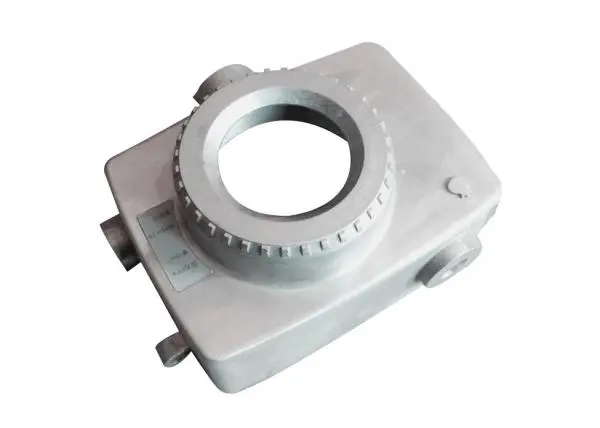
Cast iron and die-cast aluminum alloys are two fundamentally different materials used in the production of instrument boxes. Throughout history, cast iron has served several industrial purposes due to its reputation as a strong and long-lasting material.On the other hand, die-cast aluminum alloys, such as ADC12, represent a more modern approach to instrument box manufacturing.
Cast iron instrument boxes are typically heavier than their die-cast counterparts. The density of cast iron is approximately 7.2 g/cm³, while aluminum alloys used in die-casting have a density of around 2.7 g/cm³.There is a huge weight difference between the two kinds of instrument boxes due to this noticeable density variation.
For instance, a cast iron instrument box might weigh 2-3 times more than a similarly sized die-cast aluminum box. This weight difference can be both an advantage and a disadvantage, depending on the specific application. In situations where stability and resistance to vibration are crucial, the heavier cast iron boxes may be preferred. However, in applications where portability and ease of installation are important, die-cast aluminum boxes have a clear advantage.
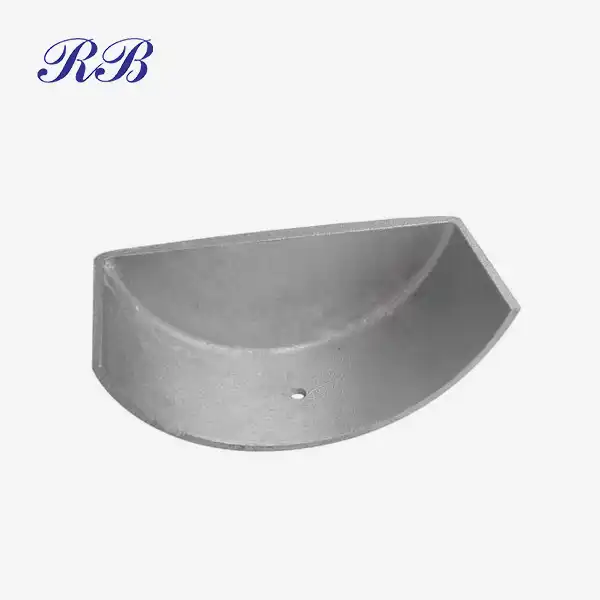
Die-cast instrument boxes, like those produced by Rongbao Enterprise, often weigh significantly less than their cast iron counterparts. For example, a typical die-cast instrument box used as a gas meter protective cover might weigh around 0.8kg, making it much easier to handle and install.
Corrosion resistance and maintenance
Instrument boxes, particularly those used in hostile situations, must be corrosion resistant to ensure their dependability and endurance.Cast iron and die-cast aluminum alloys exhibit different behaviors when it comes to corrosion resistance and maintenance requirements.
Cast iron, while strong and durable, is inherently prone to rusting when exposed to moisture and oxygen. This susceptibility to corrosion means that cast iron instrument boxes often require additional protective measures, such as painting or coating, to prevent rust formation.To keep cast iron boxes in corrosive settings in good condition for as long as possible, it may be required to paint them and remove any rust.
But die-cast aluminum alloys are so much more resistant to corrosion that you won't even need to coat them.Aluminum naturally forms a thin oxide layer on its surface when exposed to air, which acts as a barrier against further corrosion. This self-protecting property makes die-cast aluminum instrument boxes particularly well-suited for outdoor applications or environments with high humidity.
The maintenance requirements for die-cast aluminum boxes are generally lower than those for cast iron. While periodic cleaning may be necessary to remove dirt and debris, die-cast boxes typically do not require repainting or rust removal.Less maintenance means less money spent in the long run and more dependability out in the field.
It's worth noting that die-cast instrument boxes can be further enhanced with surface treatments to improve their corrosion resistance. For example, Rongbao Enterprise offers shot blasting as a surface treatment option for their die-cast boxes, which can improve the surface finish and provide additional protection against environmental factors.
Processing flexibility and application scenarios
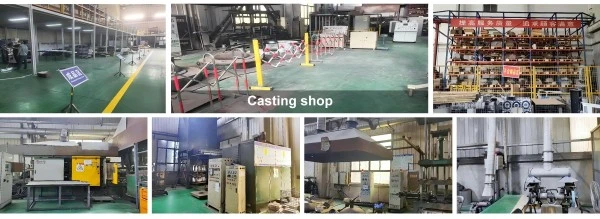
Their design flexibility and applicability for varied applications are affected by the major differences in manufacturing techniques between die-cast instrument boxes and cast iron boxes.
Cast iron boxes are typically produced through sand casting or investment casting processes. Thanks to these methods, complex shapes with thick walls are now within reach. But thin walls or elaborate features can be out of their reach.Cast iron boxes are often chosen for applications that require high strength, heat resistance, and vibration damping properties.Heavy gear, industrial equipment, and even some automobiles make frequent use of them.
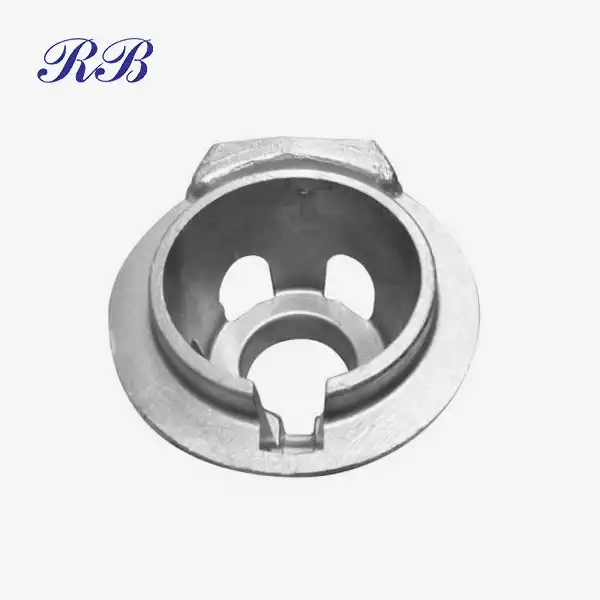
Die-casting, on the other hand, offers greater flexibility in design and allows for the production of instrument boxes with thinner walls and more intricate details. The high-pressure die-casting process used for aluminum alloys enables the creation of complex geometries with tight tolerances.Because of its adaptability, die-cast instrument boxes find use in many different contexts, from housing electronics to parts for vehicles.
Die-cast instrument boxes, like those produced by Rongbao Enterprise, can be easily customized to meet specific requirements. The pressure casting process allows for the integration of features such as mounting bosses, heat sinks, and EMI shielding directly into the box design.Secondary processes and assembly procedures may be greatly reduced with this degree of customisation.
The lightweight design and excellent heat management properties of die-cast aluminum boxes make them ideal for certain applications.The natural heat dissipation properties of aluminum make these boxes ideal for housing electronic components that generate heat during operation.
In terms of production capacity, die-casting typically offers higher volume capabilities compared to traditional cast iron processes. For example, Rongbao Enterprise can produce up to 5000 pieces of customized die-cast instrument boxes, demonstrating the scalability of the die-casting process.
Cast Instrument Box Supplier: Rongbao Enterprise
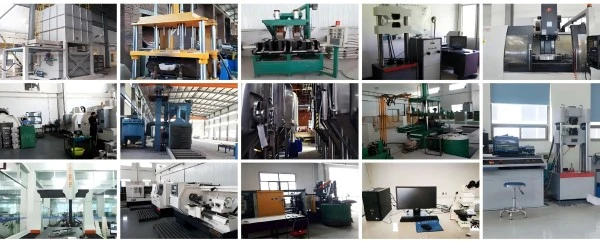
Rongbao Enterprise is first among competitors when it comes to providing high-quality die-cast instrument boxes. Worldwide equipment makers may take use of Rongbao's extensive variety of solutions, backed by over two decades of expertise in precision processing and aluminum alloy casting.
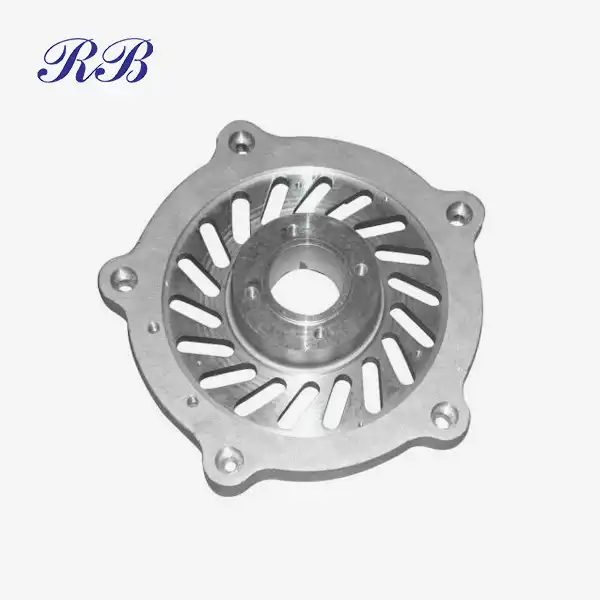
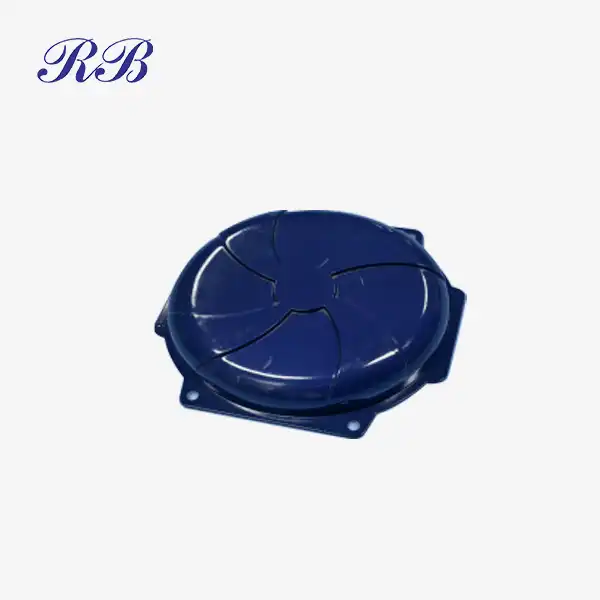
Rongbao's cast instrument boxes, such as their gas meter protective covers, are made from ADC12 aluminum alloy using advanced pressure casting techniques. These boxes combine lightweight design (typically weighing around 0.8kg) with excellent durability and corrosion resistance.With certifications in ISO9001:2015, ISO14001, and ISO45001, the firm has shown that it is committed to quality and that all of its products meet or exceed industry standards.
The capacity to provide tailored solutions is what distinguishes Rongbao from the competition.Whether you need specific dimensions, unique features, or special surface treatments like shot blasting, Rongbao can tailor their cast instrument boxes to your exact requirements. Their state-of-the-art CNC machining capabilities allow for precise mechanical processing, ensuring that each box meets the tightest tolerances.
With a production capacity of up to 5000 pieces and a global export reach, Rongbao Enterprise is well-equipped to handle both small and large-scale projects.For companies in need of top-notch instrument box solutions, they are the perfect choice because to their die-casting experience, innovative mindset, and commitment to sustainability.
To learn more about Rongbao's cast instrument boxes or to discuss your specific needs, don't hesitate to reach out to their expert team. You can contact them via email at steve.zhou@263.net or zhouyi@rongbaocasting.com. Their experienced professionals are ready to help you find the perfect instrument box solution for your application.
FAQ
1. What are the main advantages of die-cast instrument boxes over cast iron ones?
Die-cast instrument boxes offer several advantages over cast iron, including lighter weight, better corrosion resistance, greater design flexibility, and typically lower maintenance requirements. They're particularly suitable for applications requiring complex shapes, thin walls, and good heat dissipation.
2. Can die-cast instrument boxes be customized for specific applications?
Yes, die-cast instrument boxes can be highly customized. Companies like Rongbao Enterprise offer OEM/ODM services, allowing for customization in terms of size, shape, features, and surface treatments to meet specific application requirements.
3. How does the corrosion resistance of die-cast aluminum boxes compare to cast iron?
Die-cast aluminum boxes generally offer superior corrosion resistance compared to cast iron. Aluminum naturally forms a protective oxide layer, reducing the need for additional protective coatings. Cast iron, on the other hand, is prone to rusting and often requires protective paints or coatings.
References
1. ASM International. (2008). ASM Handbook, Volume 15: Casting. ASM International.
2. Davis, J.R. (Ed.). (1993). Aluminum and Aluminum Alloys. ASM International.
3. Kaufman, J.G., & Rooy, E.L. (2004). Aluminum Alloy Castings: Properties, Processes, and Applications. ASM International.
4. Nayyar, M.L. (2000). Piping Handbook (7th ed.). McGraw-Hill Education.
5. Wang, Q.G., Caceres, C.H., & Griffiths, J.R. (2003). Damage by porosity and its evolution during tensile straining in cast Al-Si-Mg alloys. Metallurgical and Materials Transactions A, 34(12), 2901-2912.
Learn about our latest products and discounts through SMS or email