The Fundamentals of Aluminum Alloy Composition
Prior to delving into the details, it is important to realize that the physical and mechanical properties of aluminum alloys may be greatly influenced by their composition.Each element added to the mix serves a particular purpose, enhancing characteristics like strength, castability, or machinability. Let's explore the three key components that form the backbone of many aluminum die casting alloys:
Silicon: The Castability Enhancer
Silicon, typically present in concentrations of 7.5-11.7%, plays a pivotal role in aluminum die casting alloys.Improving the alloy's fluidity and minimizing shrinkage during solidification are its main goals.This enhanced castability allows for the production of complex, thin-walled parts with excellent surface finish - a critical requirement in many high-precision applications.
Additionally, the presence of silicon helps with:
- Increased wear resistance
- Reduced thermal expansion
- Improved corrosion resistance
However, it's worth noting that excessive silicon content can lead to brittleness, so finding the right balance is crucial for optimal performance.
Copper: Strength and Conductivity Booster
Copper, usually added in proportions of 0.6-4.0%, serves multiple purposes in aluminum alloy die casting. Among its main advantages are:
- Increased strength and hardness
- Improved machinability
- Enhanced thermal and electrical conductivity
The addition of copper allows for heat-treatable alloys, which can be further strengthened through precipitation hardening.Because of this, copper-containing aluminum alloys are especially well-suited for uses that call for high strength-to-weight ratios, such structural elements for airplanes or automobile engines.
Magnesium: The Strength-to-Weight Optimizer
Magnesium, typically present in concentrations of 0.10-0.60%, is a crucial element in many aluminum die casting alloys.Among its main duties are:
- Increasing strength and hardness
- Improving corrosion resistance
- Enhancing weldability
Magnesium's ability to form strengthening precipitates during heat treatment makes it invaluable in producing high-strength aluminum alloys.These alloys are widely used in areas like aerospace and automotive where weight reduction is essential.

Balancing Act: Optimizing Alloy Composition
Creating the perfect aluminum die casting alloy is a delicate balancing act. While silicon, copper, and magnesium each bring valuable properties to the table, their interactions and combined effects must be carefully considered. Let's explore how these elements work together and the considerations manufacturers must keep in mind when selecting or developing an alloy:
Synergistic Effects and Trade-offs
The interplay between silicon, copper, and magnesium in aluminum alloy die casting can lead to both synergistic benefits and potential drawbacks. For instance:
- While silicon improves castability, excessive amounts can reduce ductility and machinability.
- Copper enhances strength but may decrease corrosion resistance if present in high concentrations.
- Magnesium can improve strength and corrosion resistance, but too much can lead to poor castability and increased susceptibility to oxidation during melting.
Achieving the required qualities for particular applications in aluminum alloy die casting requires striking the correct balance between these factors. This sometimes entails a great deal of investigation, testing, and perhaps the creation of special alloy compositions.
Application-Specific Considerations
The optimal alloy composition can vary significantly depending on the intended application. For example:
- Automotive components may require high strength and good machinability, favoring alloys with higher copper content.
- Aerospace applications might prioritize weight reduction and corrosion resistance, leaning towards alloys with higher magnesium concentrations.
- Consumer electronics housings might benefit from alloys with higher silicon content for improved castability and surface finish.
Choosing or creating the best aluminum die casting alloy requires an understanding of the particular needs of each application.
Advanced Techniques in Alloy Development
Techniques for creating and refining aluminum die casting alloys are evolving along with technology.Let's explore some cutting-edge techniques that are shaping the future of alloy composition:
Computational Modeling and Simulation
Advanced computer modeling and simulation techniques are increasingly being used to predict the properties of aluminum alloy die casting based on their composition. With the use of these resources, engineers and researchers can:
- Simulate the casting process and predict potential defects
- Optimize alloy compositions without the need for extensive physical testing
- Explore novel alloy compositions that might not have been considered through traditional methods
Manufacturers may drastically cut down on the time and expense involved in alloy creation while also perhaps finding novel compositions with better qualities by utilizing these computational techniques.
Nano-scale Alloying and Microstructure Control
The characteristics of aluminum die casting alloys may now be improved thanks to new developments in nano-scale alloying and microstructure control. Among these innovative techniques are:
- Adding nano-sized particles to the alloy to improve strength and wear resistance
- Controlling the solidification process at the microscopic level to achieve desired grain structures
- Developing new heat treatment processes to optimize the distribution of strengthening precipitates
These cutting-edge approaches have the potential to create aluminum alloys with unprecedented combinations of strength, lightness, and other desirable properties.
In Conclusion
The composition of aluminum kick the bucket casting amalgams, especially the cautious adjust of silicon, copper, and magnesium, plays a significant part in deciding the properties and execution of the last item.As we've explored, each element brings unique benefits and potential challenges, making the art of alloy development a complex but fascinating field.
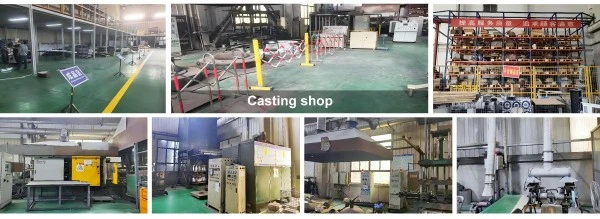
For businesses seeking high-quality aluminum alloy die casting solutions, partnering with an experienced and innovative manufacturer is key.Rongbao Enterprise is at the forefront of this sector because to its extensive experience in precision processing and casting aluminum alloys.
Aluminum Alloy Die Casting Supplier: Rongbao Enterprise
Founded in 2003, Rongbao Enterprise has established itself as a leader in aluminum alloy die casting. With a commitment to environmental sustainability, innovation, and precision, Rongbao offers:
- Advanced production methods including high-pressure die casting, low-pressure die casting, and gravity casting
- Precision machining services for a complete component supply solution
- A robust quality management system certified to ISO 9001:2016
- Environmental and occupational health & safety management systems certified to ISO 14001 and ISO 45001 respectively
Rongbao's expertise extends across a wide range of applications, including:
- Casting motor end covers
- Sensor covers for oil tank protection in mining machinery
- Cast housings for connectors
- Casting agitator base parts
- Cast sink filters for bearing end covers
- Casting accessories for natural gas control valves
With 70% of its products exported globally, Rongbao has proven its ability to meet the exacting standards of international markets.
Are you looking for a reliable partner for your aluminum alloy die casting needs? Rongbao Enterprise offers customized solutions with competitive pricing and a commitment to quality. For a free sample or to discuss your project requirements, reach out to their expert team:
Email: steve.zhou@263.net or zhouyi@rongbaocasting.com
Don't let your manufacturing challenges hold you back. Contact Rongbao Enterprise today and experience the difference that expertise, innovation, and commitment to quality can make in your aluminum alloy die casting projects.