- English
- French
- German
- Portuguese
- Spanish
- Russian
- Japanese
- Korean
- Arabic
- Greek
- German
- Turkish
- Italian
- Danish
- Romanian
- Indonesian
- Czech
- Afrikaans
- Swedish
- Polish
- Basque
- Catalan
- Esperanto
- Hindi
- Lao
- Albanian
- Amharic
- Armenian
- Azerbaijani
- Belarusian
- Bengali
- Bosnian
- Bulgarian
- Cebuano
- Chichewa
- Corsican
- Croatian
- Dutch
- Estonian
- Filipino
- Finnish
- Frisian
- Galician
- Georgian
- Gujarati
- Haitian
- Hausa
- Hawaiian
- Hebrew
- Hmong
- Hungarian
- Icelandic
- Igbo
- Javanese
- Kannada
- Kazakh
- Khmer
- Kurdish
- Kyrgyz
- Latin
- Latvian
- Lithuanian
- Luxembou..
- Macedonian
- Malagasy
- Malay
- Malayalam
- Maltese
- Maori
- Marathi
- Mongolian
- Burmese
- Nepali
- Norwegian
- Pashto
- Persian
- Punjabi
- Serbian
- Sesotho
- Sinhala
- Slovak
- Slovenian
- Somali
- Samoan
- Scots Gaelic
- Shona
- Sindhi
- Sundanese
- Swahili
- Tajik
- Tamil
- Telugu
- Thai
- Ukrainian
- Urdu
- Uzbek
- Vietnamese
- Welsh
- Xhosa
- Yiddish
- Yoruba
- Zulu
Cast Aluminum VS Alloy Wheels
Over the past few decades, the way wheels are made has changed a lot. Aluminum alloy castings are now the most important part of making wheels for cars. But the words used to talk about these technologies can be confusing, especially when it comes to telling the difference between cast aluminum wheels and other types of alloy wheels.
Definition & Manufacturing
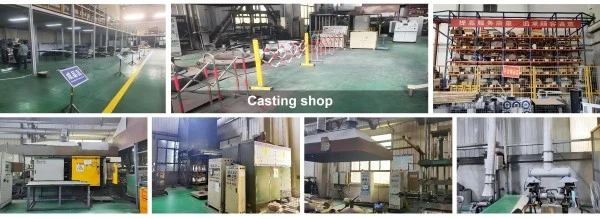
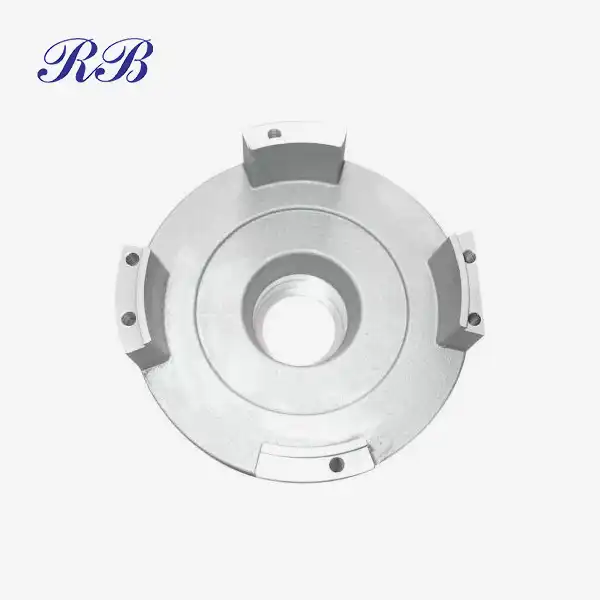
The manufacturing distinction between cast aluminum and alloy wheels begins with understanding their fundamental production processes and material compositions. When making cast aluminum wheels, molten aluminum is poured into molds that have been carefully designed. This lets the metal cool and harden into the shape of the wheel you want.
Alloy wheels, conversely, encompass a broader category that includes various metal combinations and manufacturing techniques. Alloys are mixtures of a metal and other elements. They generally provide greater strength over pure metals, which are usually much softer and more ductile. The term "alloy wheel" typically refers to wheels manufactured from aluminum or magnesium alloys, though it can technically include any wheel made from mixed metals rather than pure single-element materials.
The casting process for aluminum wheels involves several critical stages that determine the final product's quality and performance. Initially, car wheels alloys now contain 7 to 12% silicon content, and varying contents of magnesium in addition to aluminium, in order to meet the demand for metal-mould casting properties, corrosion and fatigue resistance. This carefully balanced composition ensures optimal flow characteristics during the molten state while maintaining structural integrity after solidification.
Modern aluminum alloy castings are made using advanced procedures such as high-pressure die casting, low-pressure die casting, and gravity casting. Depending on the intended use and performance needs, each strategy has its own set of benefits. High-pressure die casting makes wheels that need exact tolerances and good looks because it gives them a great surface quality and dimensional correctness.
Heat treatment after casting affects material characteristics. These thermal methods enhance aluminum alloy grain structure, improving strength, durability, and fatigue resistance through regulated heating and cooling cycles. The precision required in these manufacturing procedures shows why experienced producers with advanced technology produce outstanding aluminum alloy castings.
Key Properties: Material Science and Performance Characteristics
The physical qualities of cast aluminum and alloy wheels are very different, which affects how they are used in cars and how well they last over time. To fully understand these traits, you need to look at the molecular structure, mechanical qualities, and environmental resilience of different wheel materials and ways of making them.
Cast aluminum wheels exhibit specific material properties that stem from their manufacturing process and alloy composition. As the liquid alloy cools in the mold, there is a chance for greater porosity, or inconsistencies in the metal. While this porosity can represent a potential weakness, modern casting techniques and quality control measures have significantly minimized these concerns, producing wheels with excellent strength-to-weight ratios and reliable performance characteristics.
Aluminum alloy castings have a lot of benefits over steel wheels because of how dense they are. Alloy wheels are lighter than steel wheels, which might make the car easier to handle, use less gas, and work better overall. This weight loss leads to a number of performance improvements, such as less weight on the wheels, faster acceleration and braking, and less fuel use over the life of the vehicle.
Corrosion resistance varies significantly between different wheel materials and manufacturing approaches. Aluminum naturally forms a protective oxide layer when exposed to atmospheric conditions, providing inherent corrosion resistance that steel wheels cannot match without additional protective coatings. However, the specific alloy composition and surface treatments applied during manufacturing significantly influence long-term durability in harsh environmental conditions.
The mechanical properties of aluminum alloy castings demonstrate impressive tensile strength and fatigue resistance when properly manufactured and heat-treated. Modern aluminum wheel alloys typically achieve tensile strengths exceeding 300 MPa while maintaining sufficient ductility to absorb impact loads without catastrophic failure.
Performance & Use Cases: Applications Across Automotive Sectors
The performance characteristics and application suitability of cast aluminum versus alloy wheels vary considerably based on intended use cases, performance requirements, and economic considerations. Manufacturers, automotive professionals, and consumers may make better choices about which wheels to use on which vehicles and under which conditions if they know how these applications work.
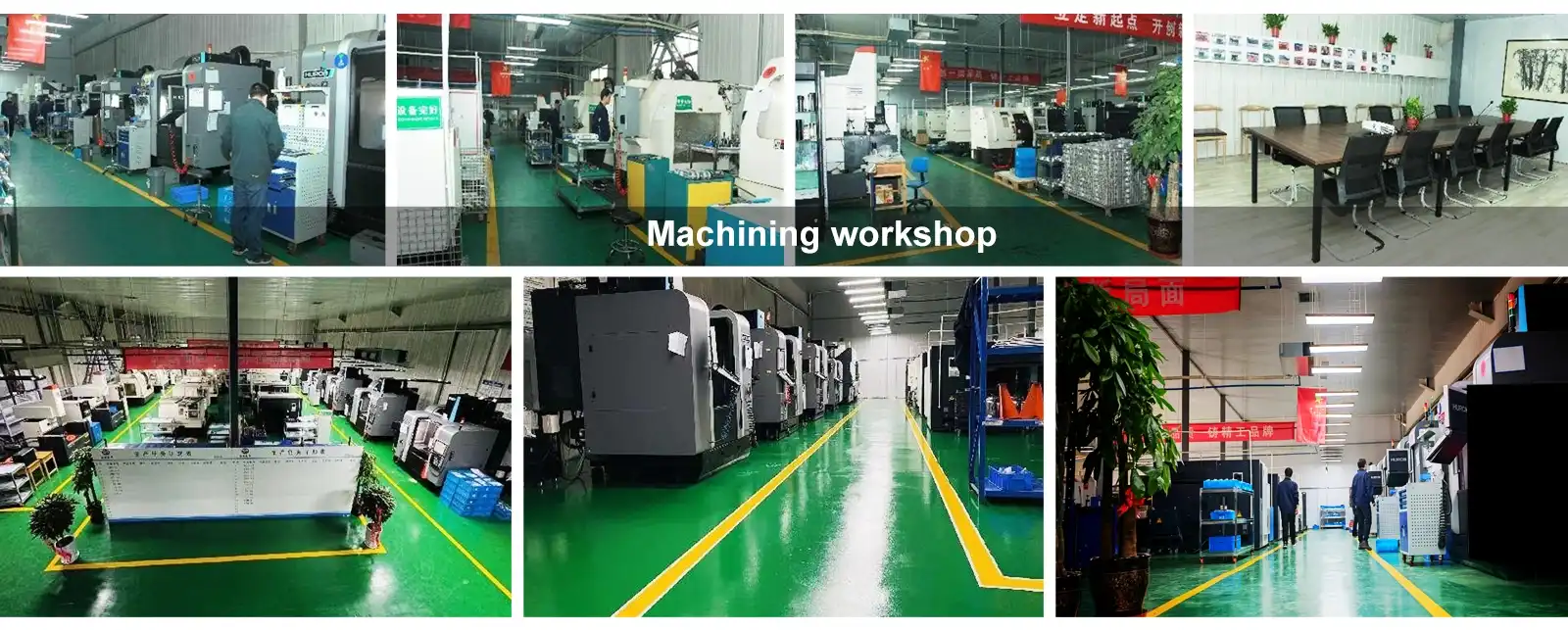
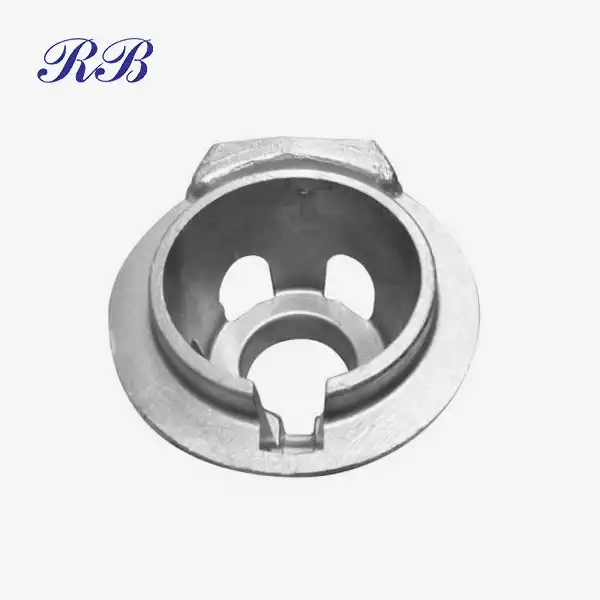
Cast aluminum wheels dominate the original equipment manufacturer (OEM) market due to their optimal balance of performance, cost-effectiveness, and manufacturing scalability. Cast wheels are relatively inexpensive and easy to produce. They are also relatively strong and absorb shock and vibration well. This mix makes them perfect for passenger cars, where cost, performance, and production volume all need to be taken into account.
The automotive aftermarket presents different performance requirements and value propositions that influence wheel selection criteria. Enthusiasts and performance-oriented drivers often seek wheels that offer superior strength, reduced weight, and enhanced aesthetic appeal compared to OEM offerings. In many cases, customized aluminum alloy castings can boost performance in a big way while keeping costs reasonable.
Commercial vehicle applications need wheel materials and manufacturing processes that can handle a lot of wear and tear and a lot of weight. Heavy-duty aluminum alloy castings designed for commercial applications incorporate enhanced material compositions and specialized heat treatments that provide superior fatigue resistance and extended service life under demanding operating conditions.
Geographic and environmental factors significantly influence wheel performance requirements and material selection criteria. Regions with harsh winter conditions, extensive road salt usage, or extreme temperature variations demand wheels with enhanced corrosion resistance and thermal cycling capabilities. Aluminum alloy castings can be specifically formulated and treated to address these challenging environmental conditions.

Conclusion
While terminology often creates confusion, the fundamental distinction lies in manufacturing processes rather than material composition, with cast aluminum representing a specific production approach within the broader category of alloy wheels.
Aluminum alloy casting manufacturers are very important to this technical growth since they have the knowledge and production capacity to meet the strict criteria of the automobile sector. Current aluminum wheels meet the performance, durability, and dependability needs of current automobiles thanks to a mix of updated manufacturing methods, superior material science, and thorough quality control.
Rongbao Enterprise, which started in 2003, is a specialized manufacturer of aluminum alloy casting and precision processing. For more information about advanced aluminum alloy casting solutions and precision manufacturing services, contact Rongbao Enterprise at zhouyi@rongbaocasting.com or steve.zhou@263.net
References
- Society of Automotive Engineers. (2024). "Aluminum Alloy Casting Standards for Automotive Wheels - SAE J2530." SAE International Standards.
- International Aluminum Institute. (2023). "Aluminum Alloy Compositions and Properties in Transportation Applications." Technical Report Series, Vol. 45.
- Zhang, L., & Wang, M. (2024). "Advanced Die Casting Techniques for Automotive Aluminum Components." Journal of Materials Processing Technology, 315, 117-132.
- European Aluminum Association. (2023). "Sustainability and Recycling of Aluminum Wheels in Automotive Industry." Environmental Impact Assessment Report.
- Chen, H., Liu, X., & Brown, R. (2024). "Comparative Analysis of Cast Aluminum vs. Forged Alloy Wheels in High-Performance Applications." Automotive Engineering International, 132(4), 28-35.
Learn about our latest products and discounts through SMS or email