- English
- French
- German
- Portuguese
- Spanish
- Russian
- Japanese
- Korean
- Arabic
- Greek
- German
- Turkish
- Italian
- Danish
- Romanian
- Indonesian
- Czech
- Afrikaans
- Swedish
- Polish
- Basque
- Catalan
- Esperanto
- Hindi
- Lao
- Albanian
- Amharic
- Armenian
- Azerbaijani
- Belarusian
- Bengali
- Bosnian
- Bulgarian
- Cebuano
- Chichewa
- Corsican
- Croatian
- Dutch
- Estonian
- Filipino
- Finnish
- Frisian
- Galician
- Georgian
- Gujarati
- Haitian
- Hausa
- Hawaiian
- Hebrew
- Hmong
- Hungarian
- Icelandic
- Igbo
- Javanese
- Kannada
- Kazakh
- Khmer
- Kurdish
- Kyrgyz
- Latin
- Latvian
- Lithuanian
- Luxembou..
- Macedonian
- Malagasy
- Malay
- Malayalam
- Maltese
- Maori
- Marathi
- Mongolian
- Burmese
- Nepali
- Norwegian
- Pashto
- Persian
- Punjabi
- Serbian
- Sesotho
- Sinhala
- Slovak
- Slovenian
- Somali
- Samoan
- Scots Gaelic
- Shona
- Sindhi
- Sundanese
- Swahili
- Tajik
- Tamil
- Telugu
- Thai
- Ukrainian
- Urdu
- Uzbek
- Vietnamese
- Welsh
- Xhosa
- Yiddish
- Yoruba
- Zulu
Can I replace the alarm control panel?
Upgrading an aging security panel may enhance the dependability of the system, ease everyday use, and provide new monitoring options. But can you do it yourself? That depends on the current equipment, wiring, communication, and installation needs. The alarm control box is a central component of an alarm system, connecting sensors and other devices while coordinating system responses. Before you choose a replacement, it’s crucial to understand how the present system operates, what components may be reused, and when expert installation is required.

When Should You Replace an Alarm Control Panel?
An alarm control box is not required to be replaced just because it has been in use for a number of years. The selection should be based on the state of the equipment, the features provided, its interoperability with other equipment, and the support arrangements of the manufacturer.
Signs That Your Existing Panel Needs an Upgrade
There are many conditions that may suggest it is worth considering changing the panel:
- Frequent inexplicable faults: Repeated failures in communication, erratic sensor responses, or repeated system problems might indicate a hardware issue or a wiring problem.
- Limited features: Older panels may not enable remote access, wireless sensors, or be compatible with modern security equipment.
- Replacement parts no longer available: When the manufacturer has discontinued the model or ceased to provide vital components, it may become more and more difficult to keep the system in service.
- Changing security requirements: Renovation of property, extra access points or new monitoring equipment may be beyond the capabilities of the current panel.
- Communication Limitations: If telephone, cellphone or internet services are changed, a separate control panel or compatible communicator may be needed.
Before replacing the complete device, verify if the issue can be fixed by changing a battery, fixing a connection, upgrading compatible firmware or replacing a communication module. A competent technician can identify whether the panel itself has failed.
Check Compatibility Before Buying a Replacement
Compatibility is one of the most crucial things to consider when choosing a new alarm control box control panel. A replacement may fit in the allotted area, but may not be able to interface with current sensors or other parts of the system.
Review the Existing Equipment
Start by making a list of what is connected to the panel now. These include touch sensors for doors and windows, motion detectors, glass-break sensors, keypads, sirens, communication modules, and any automation equipment linked to the system.
Before you order, please check the information below:
- Communication protocols: Make sure the panel handles the signaling protocols of wired and wireless devices that are already in place.
- Zone capacity: Ensure the replacement can handle the existing number of monitored zones, with extra capacity in case of future growth.
- Power needs: Check input voltage, power supply specs, and backup battery requirements.
- Wiring and Terminals: Check terminal assignments, connection type, and wiring requirements against the current installation.
- Communication: Make sure it’s compatible with the monitoring service and the necessary internet, cellphone, or other communication connections.
- Software & accessories: Check that current keypads, expansion boards, firmware, and setup tools are supported.
While it may be easier to choose a replacement from the same manufacturer, brand name alone does not guarantee compatibility. Always check the precise model and supported gear.
If you are buying an alarm control box for a new installation or replacement project, giving the provider the current panel type, wiring diagram, and needed functionality might assist in minimizing selection mistakes.

Decide Whether DIY Replacement Is Appropriate
People with the right technical background may be able to deal with some simple substitutions. But an alarm control box panel linked to several security systems or a professionally monitored system may need more than basic electrical abilities.
When a DIY Upgrade May Be Practical
If the system is modest, the manufacturer provides clear support for the update, and you know that the current devices are compatible, replacement may be quite easy. The installation manual should specify the needed connections and the configuration procedure.
Even in these cases, confirm that changing the panel would affect the system’s warranty, monitoring agreement, or compliance with local codes.
When Professional Installation Is the Better Choice
- If you have any of the following in your system, please seek professional help.
- Fire alarms, smoke detectors, or other life-safety devices.
- Arrangements for professional surveillance or emergency response.
- Several areas, extension modules, or linked security equipment.
- Complex wireless and wired communication setups.
- Unfamiliar wiring, terminal labels that aren't obvious, or unpredictable power needs.
- Building code, inspection, or certification requirements.
A mistake may lead to certain sensors being unplugged, warnings not being sent to the monitoring center, or repeated false alarms. When fire protection or other life-safety functions are involved, engage a competent installer who knows the necessary system requirements.

What to Expect During Panel Replacement
The specific technique depends on the manufacturer and the system configuration. The summary below describes the key processes and does not substitute for installation instructions and expert help.
Prepare the System Before Installation
First, write down the model number, system settings, zone assignments, and associated accessories of the current panel. A photograph documenting the wiring configuration might assist a competent installer in understanding the original installation.
Check that the new panel is compatible with current equipment and that all essential accessories are accessible. If the system is under monitoring, consult the monitoring vendor before making any modifications. This prevents pointless dispatches and allows for proper testing of the system subsequently.
Install and Configure the New Panel
The old panel should be disposed of according to the manufacturer’s recommendations. Power isolation has to take into consideration the primary supply and backup batteries, as well as any additional power sources connected. Do not assume that all terminals are secure when one source is disconnected.
A competent installer may then mount the replacement, wire compatible devices per the wiring specifications, and configure the necessary zones, communications settings, and access credentials.
Do not identify terminals by photos or wire colors alone. Similar-looking enclosures may be assigned various terminal assignments by different models. If you are confused by the wiring, stop and refer to the manufacturer's literature or a skilled expert.
Restore power as directed after installation and verify that the panel starts properly. Any programming must be done according to the authorized configuration process.
Test Every Connected Function
Switching on the panel does not indicate it is a full replacement. The system should operate as it is intended; this has to be proved in tests.
Verification should include the following:
- Verify that each connected sensor is providing the correct condition.
- Check that the correct zones and system indications are functioning.
- Test sound alerts and other notification devices.
- Confirm (if applicable) communication with the monitoring service.
- Test backup power per manufacturer’s instructions.
- Check for recurring fault codes, communication problems, or strange alarms.
- Making sure system users can use the panel the way they should.
The fire and other life-safety aspects of the system should be tested in accordance with the applicable standards and manufacturer guidelines. Involve monitoring providers and qualified technicians, as required.
Keep final configuration records and installation documentation for maintenance in the future. These data are useful for troubleshooting and future upgrades.
How to Choose the Right Replacement Panel
Selecting a suitable panel involves
balancing current requirements, future expansion, installation constraints, and total cost of ownership. The cheapest unit is not always the best answer if it requires additional modules or replacement of equipment that would otherwise be serviceable.
Compare Specifications and Installation Requirements
Check the housing size, mounting technique, material requirements, terminal layout, number of zones available, communication connections, and suitable accessories before you buy.
For business customers, installers and equipment distributors, it is also worthwhile to consider product homogeneity, manufacturing quality controls, availability of documentation, and response of suppliers. If the panel is part of a larger equipment assembly, confirm that the panel enclosure and mounting characteristics are suitable to the final product requirements.
If the standard model does not meet the needs of an application, a custom enclosure or alternative design should be considered. Proposed modifications should be reviewed for adherence to electrical safety, thermal management, environmental protection, and applicable codes and standards.
Evaluate the Supplier's Capabilities
A reputable supplier will offer you clear product specifications, drawings (if they have them), the right kind of material information, and sound advice on model selection. 3. Please confirm the minimum order quantity, sample availability, manufacturing lead time, quality inspection procedures, and packing requirements before placing an order for customized products.
Secure the required documentation for technical evaluation and inspection receipt for major procurement efforts. Agreeing acceptance criteria before manufacturing avoids production misunderstandings about dimensions, appearance, connections, and other key requirements.
Final Thoughts
Can I change my own alarm control panel? Yes, on some simple installations, provided the manufacturer permits the change, and you have the know-how. But systems with professional monitoring, tons of wiring or fire and life safety equipment normally need an expert.
The simplest approach to achieve this is to find out why the present panel needs updating, make sure it is compatible with all the devices tied to it, and verify the installation and testing requirements before purchasing a new unit.
If you need an alarm control box for the replacement project or equipment assembly, please feel free to contact the supplier with your application requirements, desired specifications, technical drawings, and anticipated order quantity. This information will help you to assess whether a standard product is suitable for you or if you should choose a tailored solution.
Conclusion
If you’re replacing an alarm control panel, you’ll want to be sure it’s compatible with your system, meets installation standards, and will be reliable over the long run. Before you decide, take a look at the equipment you currently have, make sure you know the specifications of the replacement, and see whether you’ll have to have it properly installed. Buyers should seek an alarm control box provider that has knowledge of product specifications, enclosure requirements, and adaptations. This may help to make the decision process simpler. If you need a standard model or a solution for a specific application, tell us your technical requirements and the anticipated order quantity. An excellent starting point for finding the ideal product.
FAQ
1. How often should I replace my alarm control panel?
There's no set timeline for replacing an alarm control panel, but many experts recommend upgrading every 5-10 years to take advantage of new technology and security features. However, if your current panel is functioning well and meets your needs, there's no need to replace it simply based on age.
2. Can I use my existing sensors with a new control panel?
It depends on the compatibility of your new panel with your existing sensors. Many newer panels are designed to work with a wide range of sensor types, but it's crucial to verify compatibility before making a purchase. In some cases, you may need to replace sensors along with the control panel.
3. Will replacing my control panel affect my monitoring service?
If you have a professionally monitored security system, replacing the control panel will likely require coordination with your monitoring service. They may need to update their systems to communicate with your new panel, and in some cases, you might need to switch to a different monitoring provider if your new panel isn't compatible with their services.
Alarm Control Box Supplier: Rongbao Enterprise
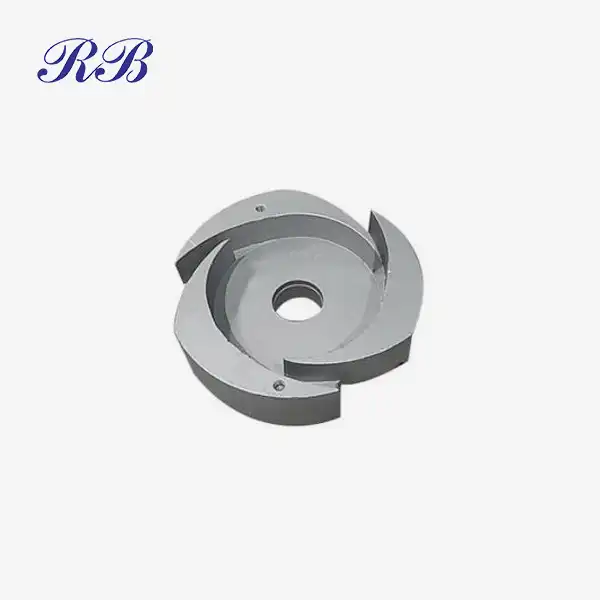
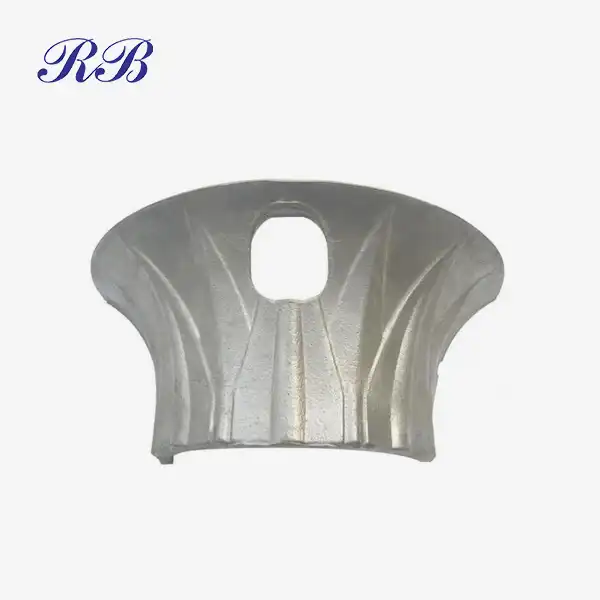
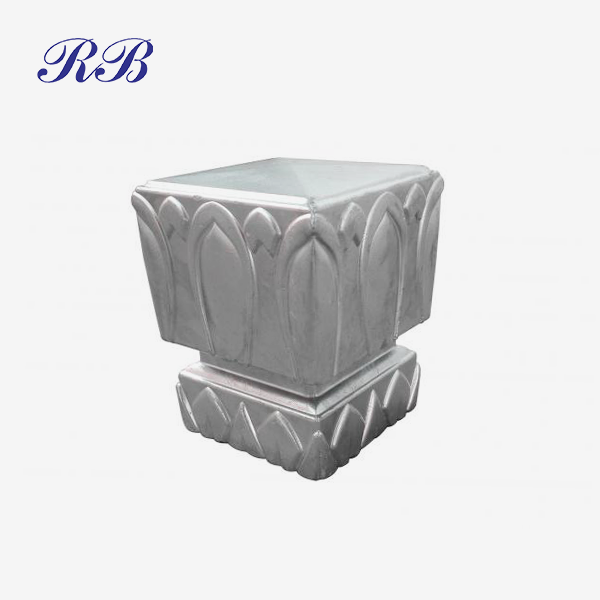
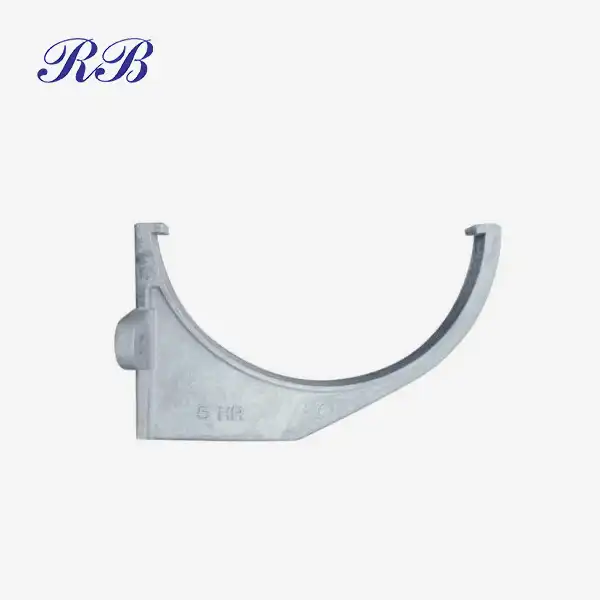
For those in need of high-quality alarm control boxes and related components, Rongbao Enterprise offers excellent solutions. With a focus on precision and innovation, Rongbao delivers integrated component supply solutions for equipment manufacturers. Their expertise in aluminum alloy casting and precision processing makes them an ideal partner for security system manufacturers and installers.
Rongbao Enterprise, founded in 2003, specializes in manufacturing alarm device parts with a production capacity of 50,000 pieces. They offer customized specifications to meet diverse client needs and maintain rigorous quality standards with ISO9001:2015, ISO14001, and ISO45001 certifications. Whether you need OEM/ODM services or reliable transportation packaging, Rongbao has you covered.
To learn more about Rongbao's alarm control box solutions or to discuss your specific requirements, reach out to their team at steve.zhou@263.net or zhouyi@rongbaocasting.com. With their commitment to environmental sustainability and precision manufacturing, Rongbao Enterprise is well-positioned to support your security system component needs.
References
1. National Fire Protection Association. (2022). "NFPA 72: National Fire Alarm and Signaling Code."
2. Security Industry Association. (2021). "Home Security Systems - Technology Overview."
3. U.S. Department of Justice, Office of Justice Programs. (2019). "The Effectiveness of Security Systems in Reducing Residential Burglary."
4. Underwriters Laboratories. (2023). "UL 681: Standard for Installation and Classification of Burglar and Holdup Alarm Systems."
5. Consumer Reports. (2022). "Home Security System Buying Guide."
Learn about our latest products and discounts through SMS or email