Lightweight Design for Home Use
Enhancing Portability and Accessibility
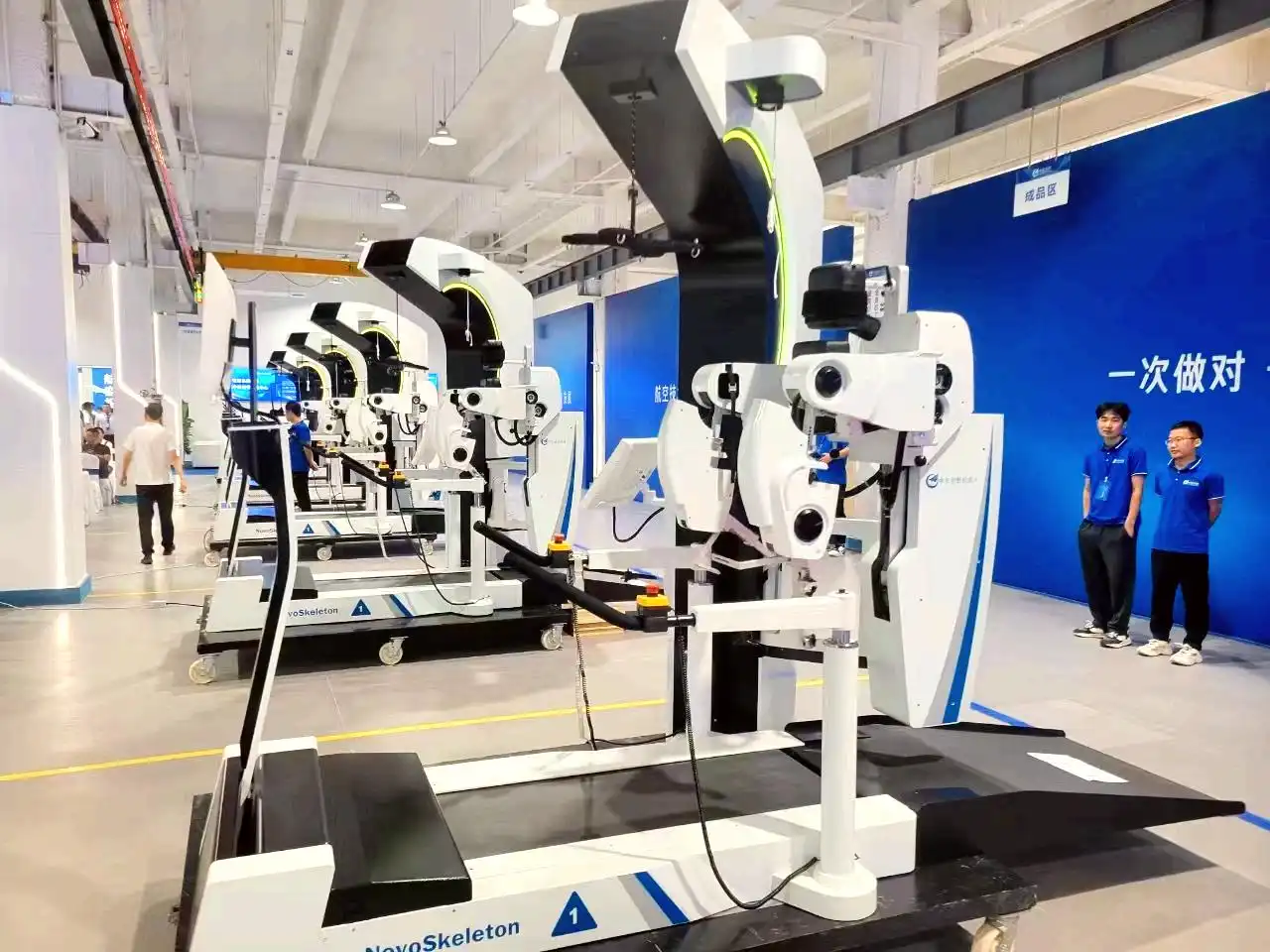
The move toward home-based restoration has altogether expanded the request for versatile and user-friendly therapeutic gadgets.The application of lightweight materials, such as carbon fiber composites and advanced polymers, has been instrumental in developing compact and easily transportable lower-limb rehabilitation robots. These devices empower patients to perform prescribed exercises autonomously at home, eliminating frequent visits to clinical settings.As a result, patients illustrate higher compliance with restoration regimens, which may lead to speedier utilitarianrecuperation and more noteworthy long-term restorative victory.
Ergonomic Considerations
In addition to improving portability, the use of lightweight materials greatly enhances the ergonomic performance of lower limb rehabilitation robots. Reducing device weight minimizes physical strain on the user, making the equipment less intimidating and more comfortable to wear—especially for elderly patients or those with reduced muscle strength.A more efficient and user-centered rehabilitation process is facilitated by improved ergonomics, which promote longer and more fruitful therapy sessions, support proper posture and movement patterns, and lower the risk of subsequent injuries.
Customization and Adaptability
Lightweight materials also provide a foundation for enhanced customization in the design of rehabilitation robots. Modular architectures enabled by these materials allow for adjustable components—such as limb interfaces, joint supports, and sensor mounts—that can be tailored to individual patient anatomy and impairment levels.Because of its versatility, the gadget may be adjusted to meet the user's changing rehabilitation demands, enabling tailored therapy that can change as the patient recovers, increasing engagement and boosting results.
Materials and Energy Efficiency
Advanced Aluminum Alloys
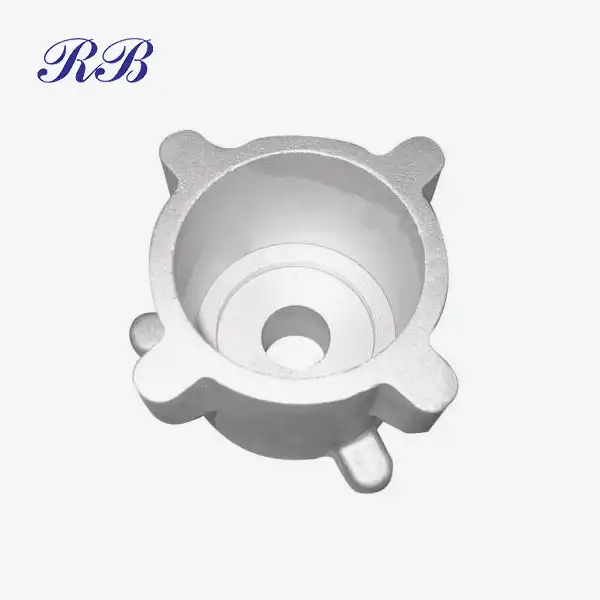
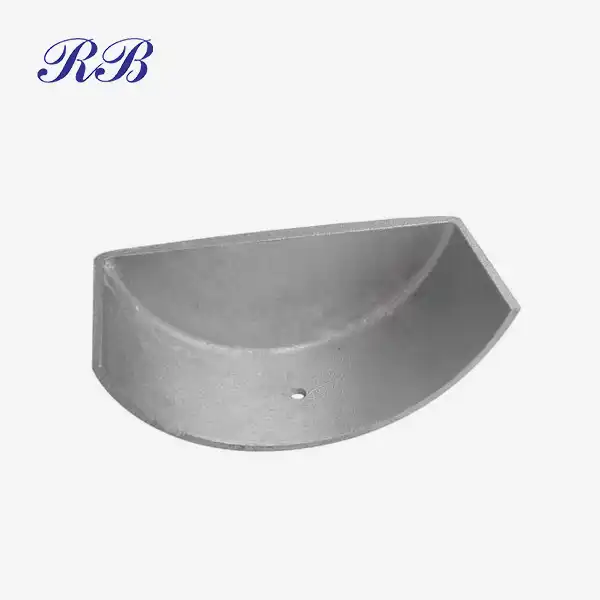
Aluminum has become a preferred material in the design of lower limb rehabilitation robots due to its advantageous properties.It is perfect for building robust yet lightweight robotic components because of its low density, high strength-to-weight ratio, and remarkable resistance to corrosion.Through advanced metallurgical techniques, modern aluminum alloys have been developed to provide enhanced mechanical performance—such as improved fatigue resistance and greater structural integrity—while retaining the minimal weight crucial for user comfort and device portability.The usefulness and dependability of rehabilitation robots are greatly enhanced by these metals.
Composite Materials
In lower limb rehabilitation robots, beyond traditional metals, composite materials like carbon fiber reinforced polymers (CFRP) are increasingly used in rehabilitation robot structures. These composites deliver outstanding strength and stiffness at significantly lower weights compared to conventional metals. Their versatility in fabricating permits for the creation of complex, customized shapes that optimize robot execution and ergonomics.As a result, composites improve device responsiveness and the patient experience during rehabilitation sessions by facilitating more effective energy transfer and lowering inertia during movement.
Energy-Efficient Designs
The adoption of lightweight materials directly supports energy-efficient designs in lower limb rehabilitation robots. A reduction in total mass decreases the power required for actuation and motion, leading to extended battery life in portable systems and lower energy demands in stationary setups. This enhanced efficiency not only supports environmental sustainability but also lowers operational costs for healthcare facilities and users.Longer utilization periods between charges and decreased power utilization make these robots more down to earth and available for long-term treatment.

Market and Industry Growth
Expanding Global Demand
The market for lower limb rehabilitation robots is experiencing rapid growth, driven by an aging population, increasing prevalence of mobility-related disorders, and a growing emphasis on home-based care.These gadgets are now more widely available and appealing to a wider spectrum of patients and healthcare professionals because to the incorporation of lightweight materials and sophisticated design approaches.
Technological Advancements
Ongoing research and development in materials science and robotics, including lower limb rehabilitation robot, continue to push the boundaries of what's possible in rehabilitation technology.New potential for even more effective and responsive rehabilitation devices are being made possible by advancements in smart materials, such as shape memory alloys and piezoelectric materials.
Regulatory Landscape and Quality Standards
Regulators are changing to guarantee the safety and effectiveness of rehabilitation robots as the industry grows.Manufacturers must adhere to stringent quality standards and certifications, such as ISO 9001:2015, ISO 14001, and ISO 45001, to ensure their products meet the highest levels of safety and performance.
Conclusion
A major advancement in medical technology is represented by the use of lightweight materials in lower limb rehabilitation robots.These advancements are making rehabilitation more accessible, efficient, and effective for patients worldwide.As the industry proceeds to develop and improve, we can anticipate to see indeed more advanced and user-friendly gadgets entering the showcase, eventually moving forward the quality of life for people experiencing restoration.
Lower limb rehabilitation robot Supplier: Rongbao Enterprise
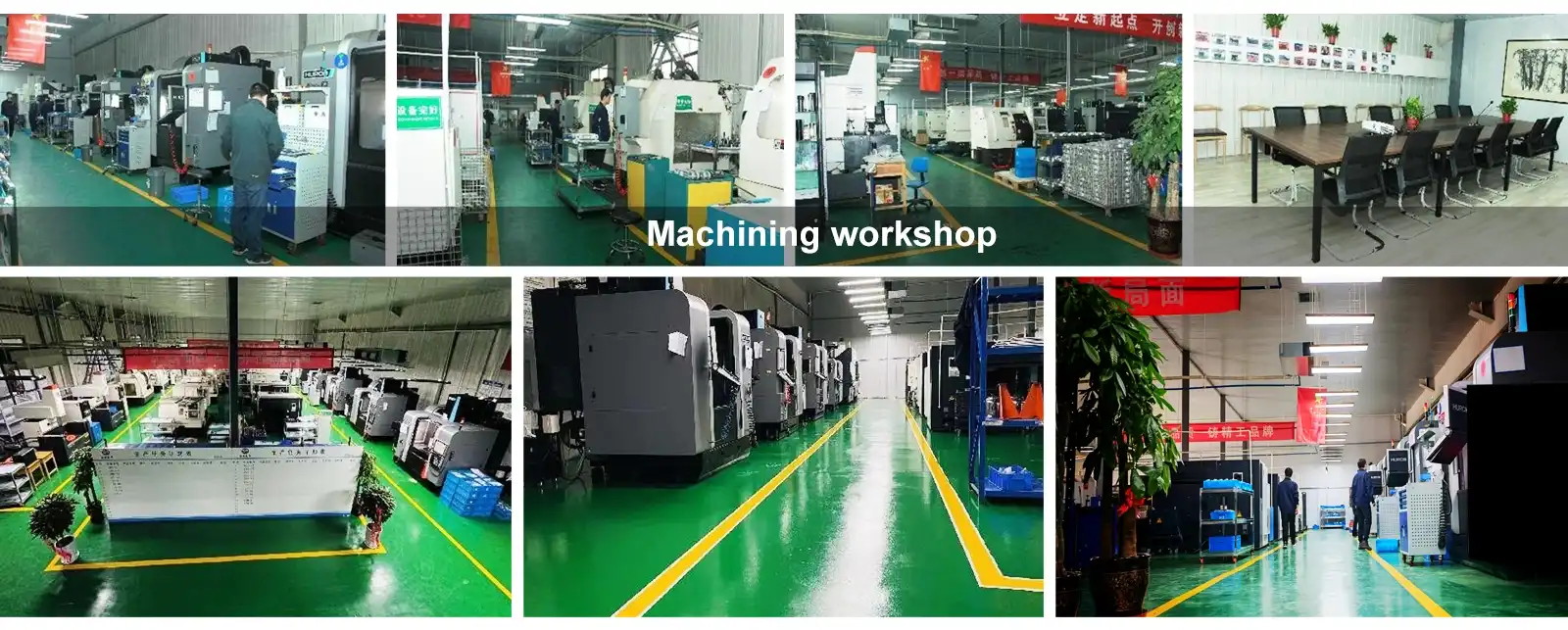
For those in the medical equipment manufacturing industry seeking high-quality, lightweight components for rehabilitation robots, Rongbao Enterprise stands out as a leading supplier.Rongbao provides customized solutions that satisfy the exacting specifications of medical device makers because to their proficiency in precision processing and aluminum alloy casting.
To learn more about how Rongbao Enterprise can support your lower limb rehabilitation robot project, reach out to their team of experts. Contact Steve Zhou at steve.zhou@263.net or Zhou Yi at zhouyi@rongbaocasting.com for personalized assistance and to discuss your specific needs.
With a commitment to quality, innovation, and sustainability, Rongbao Enterprise is well-positioned to be your trusted partner in the development of next-generation rehabilitation devices. Don't miss the opportunity to elevate your products with Rongbao's advanced manufacturing capabilities and industry-leading expertise.