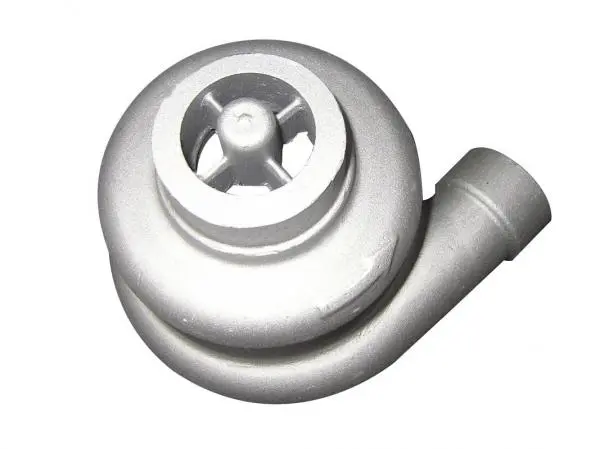
Silica Sand (Silicon Dioxide Sand) – The Most Common Base Sand
The Golden Standard of Sand Casting
When it comes to sand casting, silica sand rules incomparable. This omnipresent fabric, composed fundamentally of silicon dioxide (SiO2), shapes the establishment of most sand casting operations around the world. But what makes silica sand so uncommon? Its special properties make a culminate storm of characteristics perfect for molding and casting.
Silica sand brags extraordinary warm soundness, keeping up its keenness indeed when subjected to the extraordinary temperatures of liquid metal. This versatility avoids the form from collapsing or misshaping amid the casting handle, guaranteeing exact and steady comes about. Moreover, silica sand's tall refractoriness – its capacity to withstand warm without dissolving or corrupting – makes it appropriate for casting a wide run of metals, from aluminum to press and steel.
The Nitty-Gritty of Grain Size and Shape
Not all silica sand is made break even with. The estimate and shape of the sand grains play a pivotal part in deciding the quality of the cast. Foundries regularly utilize sand with grain sizes extending from 0.1 to 0.5 mm, striking a adjust between surface wrap up and porousness. Littler grains create smoother castings but can hinder gas elude, whereas bigger grains make strides porousness at the fetched of surface quality.
The shape of the grains too things. Precise grains interlock more firmly, making more grounded molds but possibly decreasing penetrability. Adjusted grains, on the other hand, offer superior flowability and simpler shape expulsion but may give up a few quality. Numerous foundries pick for a blend of grain shapes to accomplish the best of both worlds.
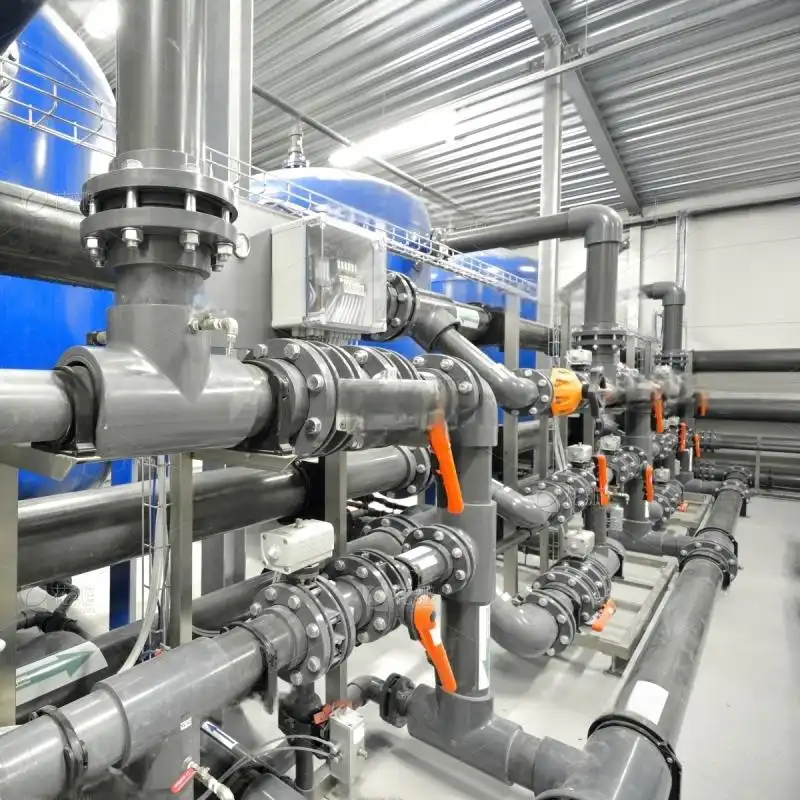
Key Sand Systems (Silica Sand + Binders)
The Chemistry Behind the Mold
While silica sand forms the backbone of most sand casting operations, it rarely works alone. Binders – substances that hold the sand grains together – are essential for creating strong, stable molds capable of withstanding the rigors of the casting process. These binder systems fall into two main categories: organic and inorganic.
Organic Binders: Flexibility and Fast Curing
Organic binders, derived from carbon-based compounds, offer several advantages in sand casting. These systems typically cure quickly, allowing for faster mold production and increased throughput. Popular organic binders include:
- Phenolic urethane: Known for its high strength and excellent dimensional stability
- Furan resins: Prized for their resistance to metal penetration and good shake-out properties
- Alkyd oil: Offers good flowability and is often used for large castings
While organic binders provide excellent mold strength and surface finish, they can produce harmful emissions during the casting process, requiring careful environmental controls.
Inorganic Binders: Environmentally Friendly Options
As environmental concerns grow, many foundries are turning to inorganic binder systems. These mineral-based options offer reduced emissions and improved recyclability of used sand. Common inorganic binders include:
- Sodium silicate: Also known as water glass, it provides good strength and is activated by CO2 gas
- Phosphate binders: Offer excellent thermal stability and are often used for steel castings
- Geopolymers: A newer class of binders that provide high strength and good environmental performance
While inorganic binders may have slightly lower strength compared to their organic counterparts, advancements in formulations continue to close this gap.
How to Choose the Right Sand?
Tailoring Sand to Your Casting Needs
Selecting the perfect sand for your casting extend isn't a one-size-fits-all suggestion. It requires cautious thought of different variables to accomplish the culminate adjust between form properties and last cast quality. Here are a few key contemplations to keep in mind:
Metal Type and Pouring Temperature
Different metals have diverse dissolving focuses and warm properties. For low-melting-point metals like aluminum, a finer-grained sand casting with natural folios might suffice. In any case, when casting high-temperature combinations like steel, you'll require a more headstrong sand framework with inorganic covers competent of withstanding extraordinary heat.
Casting Size and Complexity
Larger castings often require coarser sand to improve permeability and gas escape. Intricate designs with fine details, on the other hand, may benefit from finer sand to capture those nuances accurately. Consider the overall size and geometric complexity of your part when selecting your sand system.
Production Volume and Cycle Time
High-volume production lines may prioritize fast-curing binder systems to maximize throughput. For smaller batches or specialty castings, you might opt for systems that offer better surface finish or easier pattern removal, even if they take slightly longer to cure.
Environmental Considerations
As controls fix and supportability gets to be progressively imperative, numerous foundries are investigating more ecologically neighborly alternatives. Inorganic folio frameworks or more current, low-emission natural folios can offer assistance diminish your natural impression without relinquishing casting quality.
Cost and Availability
While performance is crucial, practical considerations like cost and local availability of materials also play a role. Balancing quality requirements with budgetary constraints is an essential part of sand selection.
The world of sand casting is distant more complex than essentially pouring metal into a heap of shoreline sand. The cautious choice and detailing of sand frameworks is a science and an craftsmanship, requiring profound understanding of fabric properties, casting forms, and wanted results. By choosing the right sand for your particular needs, you can open the full potential of this flexible fabricating strategy, creating high-quality castings that stand the test of time.
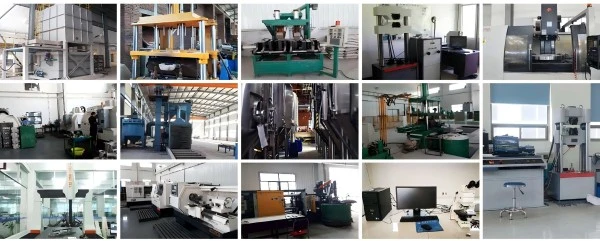
Sand Casting Supplier: Rongbao Enterprise
When it comes to dependable sand casting arrangements, Rongbao Venture stands out as a pioneer in the field. With a wealthy history dating back to 2003, Rongbao has built up itself as a specialized producer of aluminum combination castings and exactness preparing. Their skill expands over different businesses, counting car, aviation, therapeutic gear, and electrical and electronic sectors.
Rongbao's commitment to quality is apparent in their certifications, counting ISO 9001:2016 for Quality Administration, ISO 14001 for Natural Administration, and ISO 45001 for Word related Wellbeing and Security Administration. This devotion to brilliance has permitted them to trade 70% of their items to major markets like the Joined together States, Europe, and Japan.
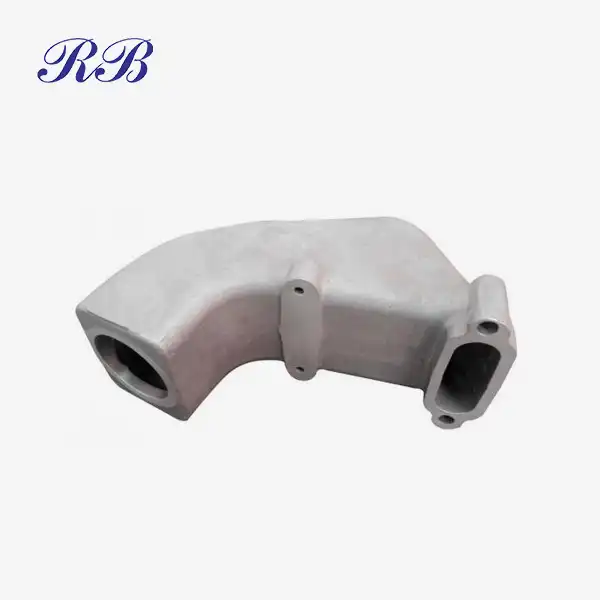
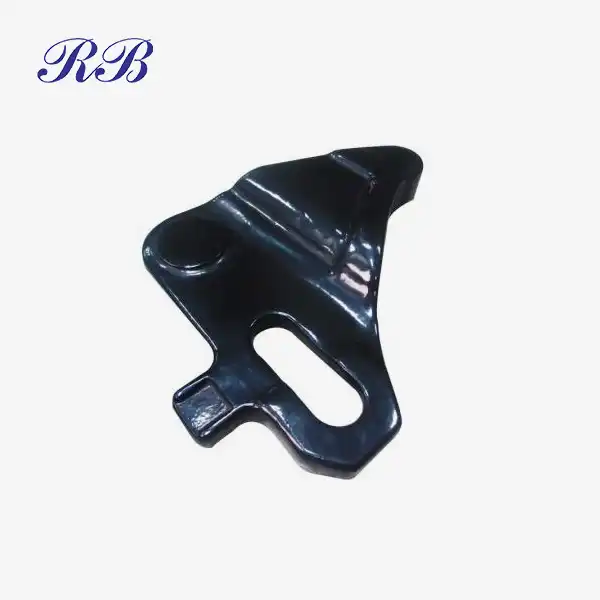
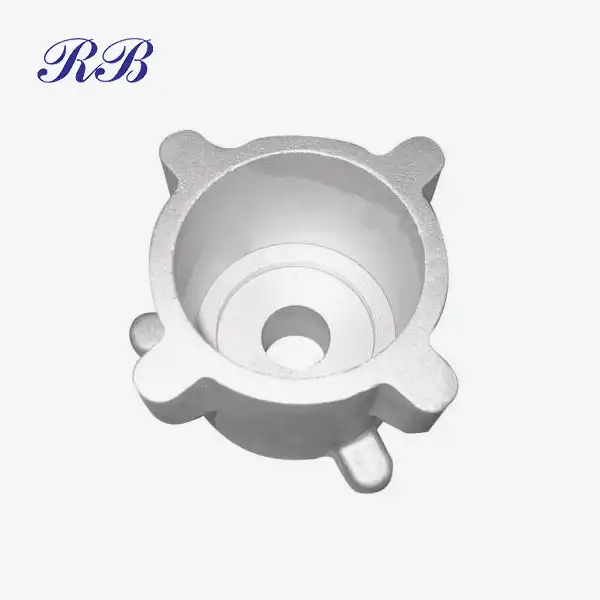
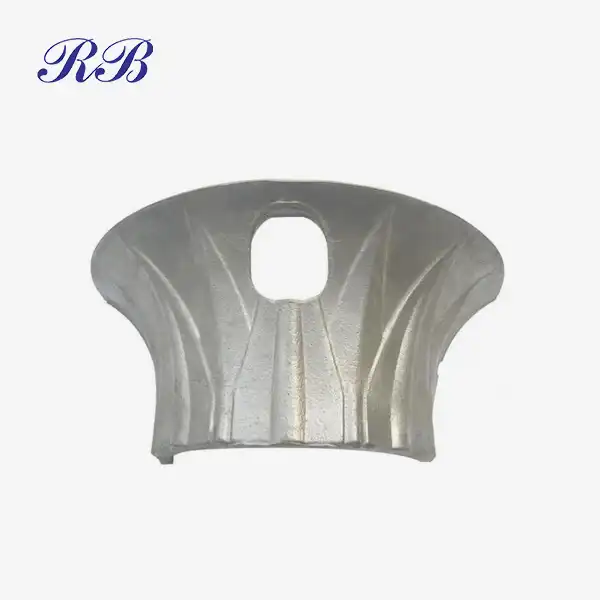
What sets Rongbao separated is their comprehensive extend of administrations. From high-pressure kick the bucket casting to gravity casting and exactness machining, they offer coordinates component supply arrangements that cater to the different needs of gear producers. Their item lineup incorporates specialized things such as cast rectangular containers for water collection, exactness sand casting parts for fire pump control stations, and different valve body castings for fire control systems.
If you're in the advertise for high-quality sand castings or looking to optimize your fabricating prepare, Rongbao Undertaking is prepared to help. Their group of specialists can offer assistance you select the perfect sand framework for your particular application, guaranteeing ideal comes about and cost-effectiveness.
Contact Steve Zhou at steve.zhou@263.net or Zhou Yi at zhouyi@rongbaocasting.com nowadays.