Aluminum Alloy High Pressure Die Casting
Aluminum alloy high pressure die casting stands out as a widely adopted method in modern manufacturing. It is very common because the material has a great mix of properties and the process can make complex, light parts with very accurate measurements.
During the process, melted aluminum alloy is pushed into a steel mold under a lot of pressure, usually between 10 and 120 MPa. This pressure makes sure that the metal fills every part of the mold hole, even the smallest ones. This makes parts with complex shapes and smooth surfaces. It also improves the mechanical properties of the end product because it solidifies quickly under pressure.
One great thing about aluminum alloy high pressure die casting is that it can be used for a lot of different things. For making thin-walled parts with great strength-to-weight ratios, it works especially well. Making things lighter is very important in fields like cars and space travel, so this is very helpful.
For instance, in the automotive sector, aluminum die cast parts are increasingly replacing heavier steel components in engine blocks, transmission housings, and structural elements. This alter brings down the vehicle's add up to weight by a expansive sum, which makes it utilize less gas and put out less contamination.
Additionally, aluminum amalgam kick the bucket castings offer fabulous warm and electrical conductivity, erosion resistance, and recyclability. Because of these features, they work great in the electrical and computer industries, where quality and fast transmission are important.
However, it's worth noting that aluminum die casting does have some limitations. Poor porosity can happen during the process, mostly in the thicker parts, which could weaken the structure of the part. To solve these problems, we need to carefully plan and keep track of the process.
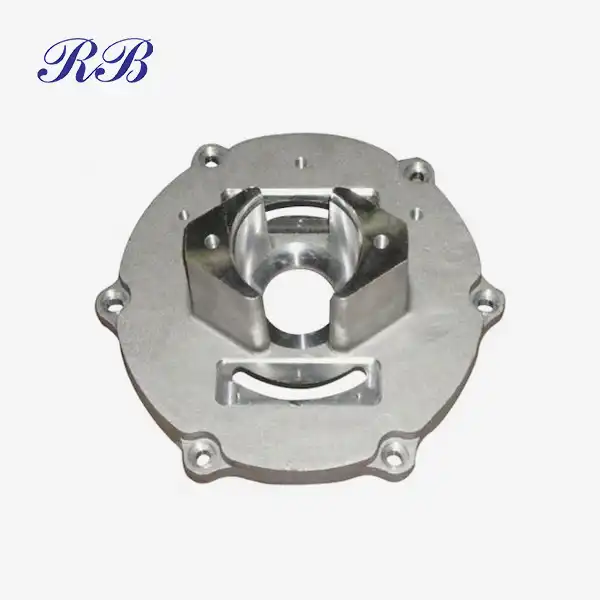
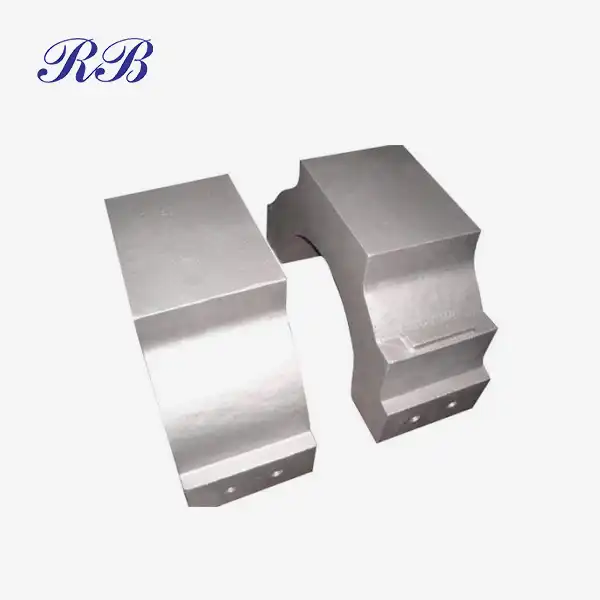
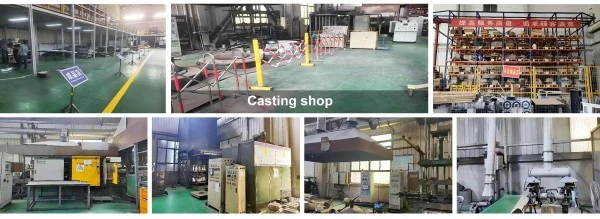
At Rongbao Enterprise, we specialize in aluminum alloy high pressure die casting, offering customized solutions for various industries. Our casting agitator base parts, produced through this process, exemplify the precision and quality achievable with aluminum die casting.
Zinc Alloy High Pressure Die Casting
Zinc alloy high pressure die casting offers a unique set of advantages that make it indispensable in certain applications. The process is similar to aluminum die casting but operates at lower temperatures due to zinc's lower melting point.
One thing that makes zinc die casting stand out is that it can make parts with very smooth surfaces and fine details. Because of this, it works especially well in situations where looks are just as important as usefulness. Products like decorative hardware, automotive trim, and consumer electronics often leverage zinc die casting for this reason.
Zinc combinations moreover display amazing dimensional steadiness and moo shrinkage rates amid cementing. This feature makes it possible for tighter resiliences and more precise part geometries, which means that extra machining operations aren't needed as often. Because of this, zinc kick the bucket casting may be cheaper in some situations, especially when a lot of parts need to be made.
Another big benefit of zinc die casting is that it lasts longer and doesn't wear down as easily. Zinc metals naturally create an oxide layer that protects them and makes them less likely to rust. Because of this, they are perfect for use outside or in places that get rough weather.
In the electrical and electronic industries, zinc die cast components are valued for their electromagnetic shielding properties. It is very important for things like telecoms gear or car electronics that need to cut down on electromagnetic interference (EMI) to have this feature.
However, it's important to note that zinc alloys are generally heavier than aluminum alloys. While this can be advantageous in applications requiring added weight or stability, it may not be suitable for products where weight reduction is a primary concern.
The choice between zinc and aluminum die casting often depends on the specific requirements of the application. Factors such as part size, complexity, required surface finish, and production volume all play a role in determining the most suitable material and process.

Magnesium Alloy High Pressure Die Casting
Magnesium alloy high pressure die casting represents the cutting edge of lightweight metal casting technologies. Since magnesium is the lightest construction metal available, it can be used in a wide range of ways to reduce weight.
The process of die casting magnesium is like die casting aluminum or zinc, but because magnesium is so reactive, it needs some extra care. Inert gas or protective atmospheres are often used during the casting process to prevent oxidation and ensure the quality of the final product.
One of the primary advantages of magnesium die casting is its exceptional strength-to-weight ratio. Magnesium alloys can provide strength comparable to aluminum alloys at about two-thirds the weight. Because of this, magnesium die castings are very popular in fields like aerospace and portable gadgets where every gram counts.
In the car industry, magnesium pass on cast components are progressively being utilized in applications like controlling wheels, situate outlines, and instrument board bars. The weight reserve funds accomplished through these components contribute altogether to by and large vehicle productivity and execution.
Magnesium die casts are also very good at getting rid of heat, which makes them useful in situations where controlling heat is important. This feature, along with the fact that they naturally block EMI, makes magnesium alloys a great choice for housing electrical devices.
One great thing about magnesium die casting is that it can make thin-walled parts that are very accurate in their dimensions. This makes it possible to build complicated, light structures that would be hard to make with other materials or methods.
However, magnesium die casting does present some challenges. Because it corrodes more easily than aluminum or zinc metals, the material usually needs extra surface treatments or coatings to keep it safe. In some situations, the fact that magnesium metals are more expensive than aluminum can also be a problem.
The special features of magnesium metals continue to push the boundaries of high pressure die casting, even with these problems. It is possible that magnesium die castings will be used for more things as manufacturing technologies improve and new alloys are made.
As companies keep pushing the limits of performance, skill, and upkeep, the use of high weight pass on casting in manufacturing is likely to grow. This handle is important in a lot of different areas because it can give lightweight, complex, and high-quality parts.
As businesses proceed to thrust the boundaries of execution, proficiency, and maintainability, the part of tall weight pass on casting in fabricating is likely to develop. The capacity to deliver lightweight, complex, and high-quality components makes this handle crucial over a wide run of segments.
For those seeking high-quality high pressure die casting solutions, Rongbao Enterprise stands ready to meet your needs. As experienced tall weight pass on casting providers, we offer skill in aluminum combination pass on casting, counting our specialized casting initiator base parts. Our commitment to quality, exactness, and client fulfillment sets us separated in the industry. Whether you're looking for standard components or custom arrangements, our group is prepared to provide comes about that meet and surpass your desires. Contact us today at steve.zhou@263.net or zhouyi@rongbaocasting.com to discuss how we can support your manufacturing needs with our advanced high pressure die casting capabilities.
References
1. ASM International. (2008). "ASM Handbook, Volume 15: Casting."
2. Suchy, I. (2006). "Handbook of Die Design." McGraw-Hill Education.
3. Andresen, B. (2005). "Die Casting Engineering: A Hydraulic, Thermal, and Mechanical Process." CRC Press.
4. Street, A. (2003). "The Diecasting Book." Portcullis Press Ltd.
5. Campbell, J. (2011). "Complete Casting Handbook: Metal Casting Processes, Metallurgy, Techniques and Design." Butterworth-Heinemann.