- English
- French
- German
- Portuguese
- Spanish
- Russian
- Japanese
- Korean
- Arabic
- Greek
- German
- Turkish
- Italian
- Danish
- Romanian
- Indonesian
- Czech
- Afrikaans
- Swedish
- Polish
- Basque
- Catalan
- Esperanto
- Hindi
- Lao
- Albanian
- Amharic
- Armenian
- Azerbaijani
- Belarusian
- Bengali
- Bosnian
- Bulgarian
- Cebuano
- Chichewa
- Corsican
- Croatian
- Dutch
- Estonian
- Filipino
- Finnish
- Frisian
- Galician
- Georgian
- Gujarati
- Haitian
- Hausa
- Hawaiian
- Hebrew
- Hmong
- Hungarian
- Icelandic
- Igbo
- Javanese
- Kannada
- Kazakh
- Khmer
- Kurdish
- Kyrgyz
- Latin
- Latvian
- Lithuanian
- Luxembou..
- Macedonian
- Malagasy
- Malay
- Malayalam
- Maltese
- Maori
- Marathi
- Mongolian
- Burmese
- Nepali
- Norwegian
- Pashto
- Persian
- Punjabi
- Serbian
- Sesotho
- Sinhala
- Slovak
- Slovenian
- Somali
- Samoan
- Scots Gaelic
- Shona
- Sindhi
- Sundanese
- Swahili
- Tajik
- Tamil
- Telugu
- Thai
- Ukrainian
- Urdu
- Uzbek
- Vietnamese
- Welsh
- Xhosa
- Yiddish
- Yoruba
- Zulu
How to design a casting collection box part?
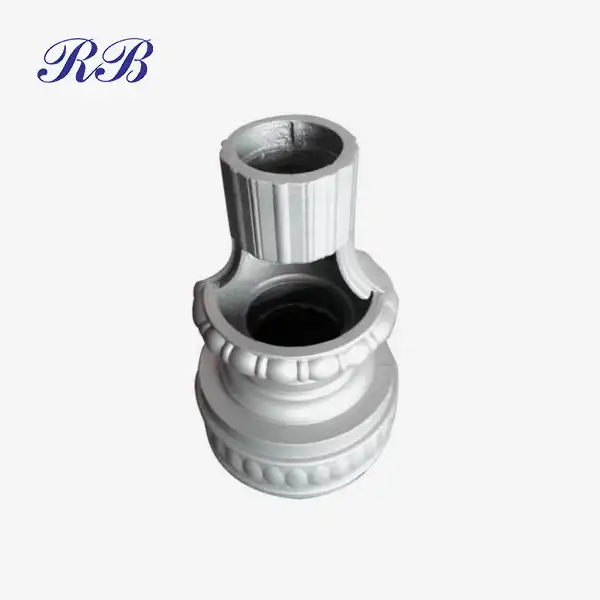
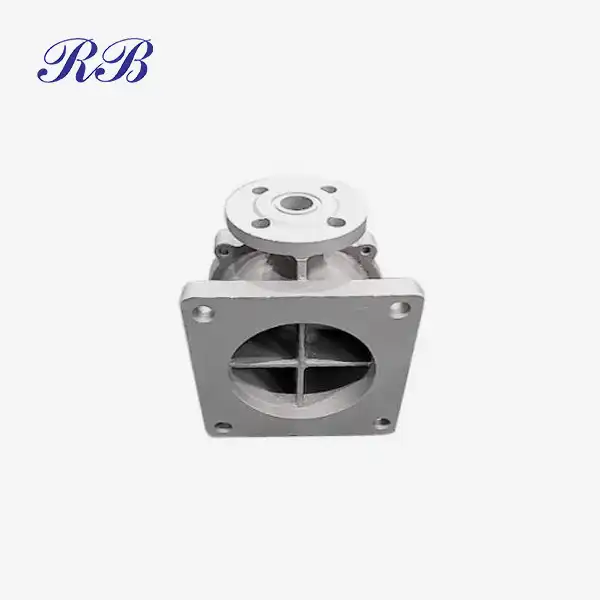
For many companies, especially those that collect rainwater, it's quite important to design a good collection box parts. This post will show you the most important methods to make a casting collection box part that is strong, long-lasting, and works well. We'll talk about how to pick the correct materials, make the structure as good as it can be, and use the right treatments to make sure your design meets industry standards and operates as well as it can.
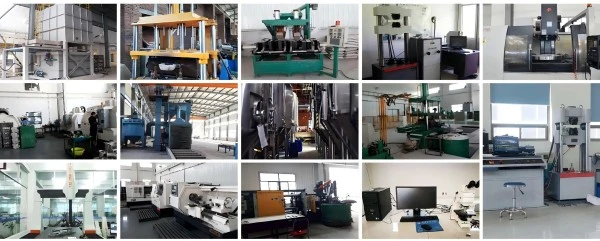
Select the Right Material
Choosing the appropriate material is fundamental to the success of your casting collection box part. For rainwater collection systems, aluminum alloys are often the go-to choice due to their excellent balance of properties.
Why Aluminum Alloy A356?
A356 aluminum alloy is the best material for making pieces for collecting boxes, especially those used to collect rainwater. This alloy has a one-of-a-kind set of properties that make it perfect for this use:
- Corrosion Resistance: A356 is very resistant to weathering and corrosion, which is important for outdoor use.
- Lightweight: With a typical part weight of around 1.8kg, A356 helps keep the overall system weight down.
- Strength: Despite its low weight, A356 provides good mechanical properties, ensuring durability.
- Castability: This alloy is well-suited for gravity casting processes, allowing for complex shapes and thin walls.
Aluminum alloy A356 is widely used in the manufacturing of casting collection box parts due to its excellent balance of strength, corrosion resistance, and castability. This alloy is very fluid, which lets you make intricate molds, and it doesn't rust, so it lasts a long time outside. These qualities make A356 perfect for systems that collect rainwater since they are both useful and good-looking.
Optimize Structure for Gravity Casting (Process Compatibility)
Once you've selected A356 as your material, it's crucial to optimize your design for the gravity casting process. This method, often referred to as "Gra casting" in industry shorthand, offers several advantages for producing casting collection box parts.
Design Considerations for Gravity Casting
To ensure your part is compatible with gravity casting, keep these key points in mind:
- Wall Thickness: Maintain uniform wall thickness where possible to promote even cooling and reduce the risk of defects.
- Draft Angles: Incorporate appropriate draft angles to facilitate easy removal from the mold.
- Radii and Fillets: Use generous radii and fillets to improve metal flow and reduce stress concentrations.
- Gating System: Design an efficient gating system to ensure proper filling of the mold cavity.
- Risers: Strategically place risers to compensate for shrinkage during solidification.
When producing parts for gravity casting, you need to consider about the form of the part, the thickness of the walls, and the gating systems. These design characteristics facilitate the flow of metal and reduce the likelihood of defects such as voids. You might be able to make the casting better and the manufacturing more efficient by changing the design. This will save money and make the process more dependable.
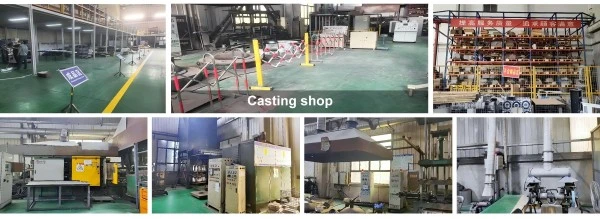
Precision & Surface Treatment
After casting, your collection box parts will likely require additional processing to meet final specifications and performance requirements. This is where precision machining and surface treatments come into play.
CNC Machining for Precision
CNC (Computer Numerical Control) machining is often employed to achieve the tight tolerances and specific features required for casting collection box parts. This process can include:
- Drilling precise holes for water inlet and outlet
- Milling flat surfaces for gasket seating
- Threading for connections to other system components
CNC machining is an exceptionally precise technique essential for producing intricate components for rainwater collection systems. This method enables accurate drilling of holes for water inlets and outlets, along with the milling of flat surfaces for gasket installation. CNC machining, by conforming to precise specifications, guarantees that each component fits flawlessly into the system, hence augmenting its total performance. This method's exceptional accuracy ensures all components operate appropriately, hence enhancing the system's durability and dependability.
Surface Treatment: Shot Blasting
Shot blasting is a common surface treatment for casting collection box parts. This process offers several benefits:
- Improved Surface Finish: Shot blasting removes any residual sand or scale from the casting process.
- Enhanced Appearance: The process creates a uniform, matte finish that's aesthetically pleasing.
- Preparation for Further Treatments: Shot blasting can prepare the surface for painting or other coatings if required.
Shot blasting is a crucial procedure for the preparation of casting collection box components. It efficiently eliminates contaminants, like sand or scale, from the surface, yielding a smooth and uniform finish. This treatment improves aesthetics and promotes durability, guaranteeing a superior, professional look and great performance in many situations.
Creating a casting collecting box component for rainwater harvesting systems necessitates meticulous evaluation of materials, production methods, and surface treatments. Utilizing A356 aluminum alloy, optimizing for gravity casting, and incorporating precision machining and shot blasting can yield high-quality components that meet the rigorous requirements of this application.
The essential factor for success is the equilibrium between performance criteria and manufacturability. Consistently evaluate how your design decisions will influence the whole production process, from initial casting to final assembly.
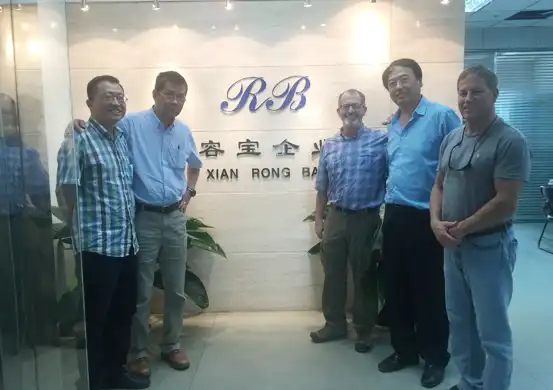
Casting Collection Box Parts Supplier: Rongbao Enterprise
Rongbao Enterprise provides complete solutions for customers in need of a dependable partner in the manufacturing of casting collection box components. Since 2003, Rongbao has specialized in aluminum alloy casting and precise processing, providing high-quality components.
Key highlights of Rongbao Enterprise include:
- Specialization in aluminum alloy casting and precision processing
- Advanced production methods including gravity casting and CNC machining
- ISO 9001:2015, ISO 14001, and ISO 45001 certifications
- Production capacity of up to 5000 pieces
- Customization options to meet specific requirements
- Global export experience, with 70% of products shipped internationally
If you're looking for a partner to bring your casting collection box part designs to life, consider reaching out to Rongbao Enterprise. You can contact them via email at steve.zhou@263.net or zhouyi@rongbaocasting.com for more information on their capabilities and how they can support your project.
References
- ASM International. (2019). "Aluminum-Silicon Casting Alloys: Atlas of Microstructures and Properties"
- Campbell, J. (2015). "Complete Casting Handbook: Metal Casting Processes, Metallurgy, Techniques and Design"
- Groover, M.P. (2020). "Fundamentals of Modern Manufacturing: Materials, Processes, and Systems"
- Davis, J.R. (2001). "Aluminum and Aluminum Alloys (ASM Specialty Handbook)"
- Totten, G.E., & MacKenzie, D.S. (2003). "Handbook of Aluminum: Vol. 1: Physical Metallurgy and Processes"
Learn about our latest products and discounts through SMS or email