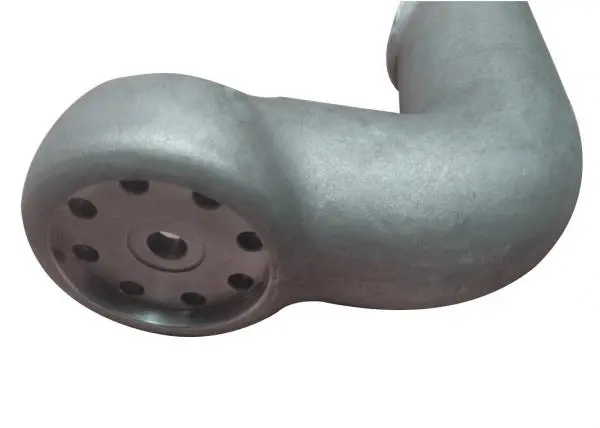
Mold Preheat Effects: Improving Molten Metal Filling
Enhanced Flow Characteristics
Preheating the mold prior to introducing molten metal is essential in gravity casting, as it greatly enhances the fluidity of the metal. The liquid metal retains its thermal energy longer when the mold temperature is raised, which facilitates smoother flow and the filling of even the most intricate areas of the cavity.Without adequate preheating, rapid heat extraction by a cold mold causes premature solidification, resulting in misruns or cold shuts. A properly preheated mold ensures complete cavity filling and minimizes flow-related defects, contributing to higher casting quality and dimensional accuracy.
Reduced Thermal Shock
Preheating the mold is also essential for preventing thermal shock.The extreme temperature difference between molten metal, which often exceeds 1200°C, and a cold mold can induce severe thermal stresses. This sudden heat transfer may lead to mold cracking, warping, or even failure, and can also cause irregularities in the casting itself. By preheating the mold, the thermal gradient is significantly reduced, promoting more gradual and uniform cooling. This results in improved mold longevity and fewer stress-induced defects in gravity casting parts.
Optimized Solidification Patterns
Controlling the solidification process is another advantage offered by mold preheating. By applying varying preheat temperatures to different zones of the mold, foundries can promote directional solidification—guiding the cooling from thinner sections toward thicker regions.Especially in structurally significant areas, this technique helps avoid issues like cavities and decreasing porosity. As a result, the mechanical properties and integrity of the finished casting are enhanced, making it easier to manufacture parts that are more reliable and effective.
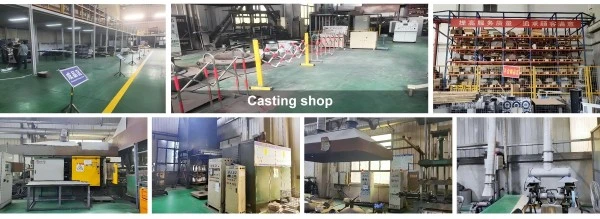
Mold Preheat Effects: Enhancing Mechanical Properties
Improved Grain Structure
Mold preheating significantly enhances the microstructure of gravity casting parts by deliberately reducing the cooling rate. This controlled cooling encourages the development of a finer and more uniformly distributed grain structure throughout the material.Superior mechanical performance, such as higher tensile strength, enhanced ductility, and better fatigue resistance, is directly correlated with such microstructural refinement.These qualities are particularly important in high-stress sectors like aerospace and automotive, where durability and safety are directly impacted by component integrity.
Reduced Internal Stresses
The use of preheated molds promotes a more gradual and even cooling process, which is key to minimizing the development of internal stresses within gravity casting parts. Rapid or uneven cooling often leads to residual stresses that can cause distortion, dimensional inaccuracies, or premature failure during operation. By mitigating thermal gradients, preheating helps produce dimensionally stable and reliable gravity castings with reduced risk of stress-related defects, enhancing the overall quality and service life of the gravity casting part.
Enhanced Surface Finish
Preheating the mold plays a vital role in achieving a high-quality surface finish in gravity cast components. When molten metal encounters a cold mold surface, it may solidify prematurely, resulting in defects such as cold shuts, flow lines, or incomplete filling.The material can efficiently fill delicate features thanks to a warmed mold, which guarantees better metal flow over the hollow walls. As a result, less substantial post-casting machining or polishing is required, resulting in a more uniform and visually appealing surface.
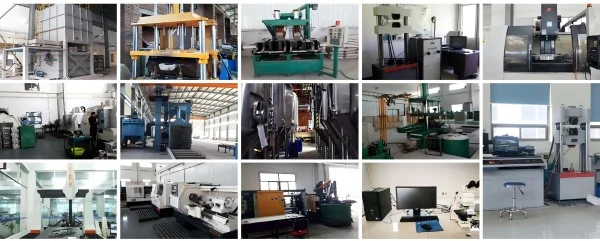
Mold Coating Effects
Thermal Barrier Properties
Mold coatings serve as a critical interface between the molten metal and the mold surface. By acting as a thermal barrier, these specifically blended materials regulate the pace at which heat moves from the mold to the casting. By carefully selecting and applying the appropriate coating, manufacturers can fine-tune the solidification process to achieve desired properties in different sections of the casting.
Release Agent Functionality
One of the primary functions of mold coatings in gravity casting is to act as a release agent. This property is essential for ensuring that the solidified part can be easily removed from the mold without sticking or damage.A proper coating formulation may boost overall production efficiency and drastically lower scrap rates.
Surface Quality Enhancement
Mold coatings play a crucial role in determining the surface quality of gravity casting parts. Surface flaws including roughness, inclusions, and gas porosity may be reduced with the use of advanced coating processes. For industries where aesthetics are as important as function – such as in the production of architectural components or consumer goods – the right mold coating can make a significant difference in the final product's appearance and marketability.
Wear Resistance and Mold Longevity
The repeated thermal cycling and exposure to molten metal can take a toll on gravity casting molds.The wear resistance of the mold is increased by the protective layer that premium mold coatings provide. This protection improves component quality consistency over longer production cycles and reduces tooling costs by extending the mold's usable life.
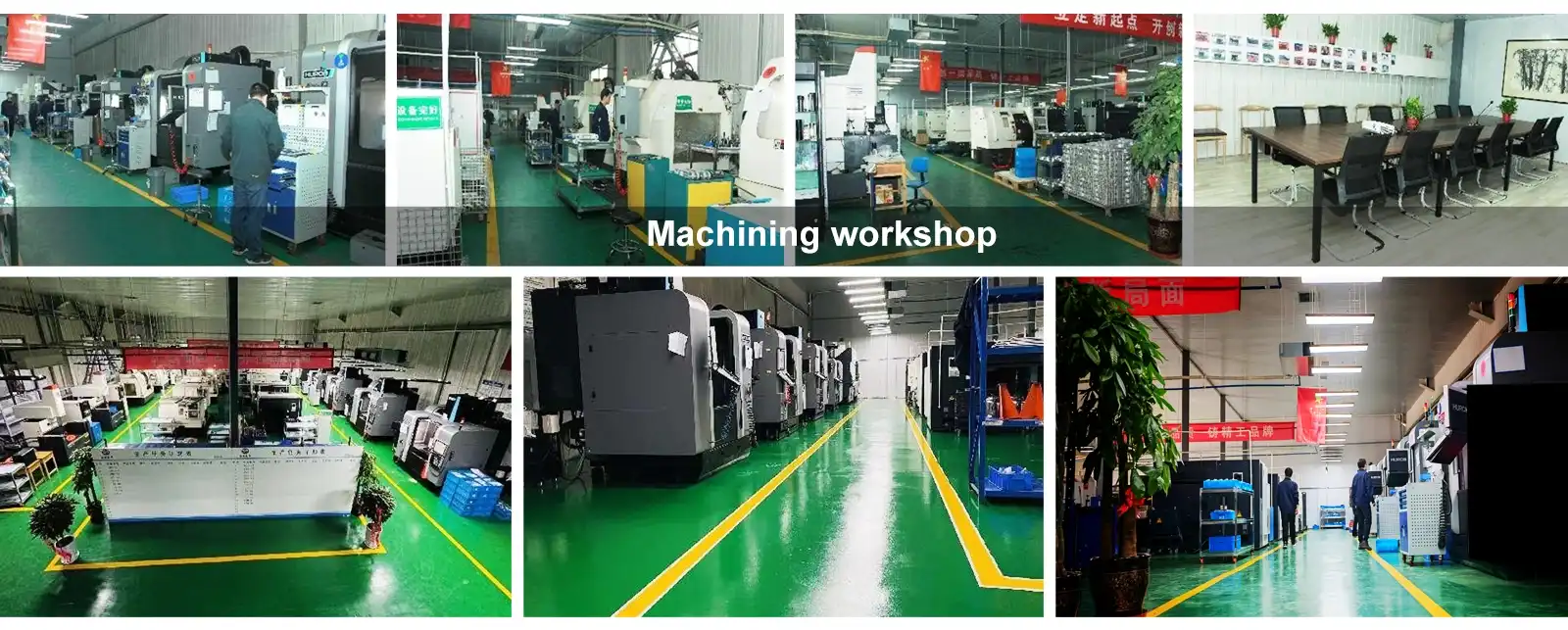
In Conclusion
The interplay between mold preheating and coating application is a complex but essential aspect of producing high-quality gravity casting parts.In order to provide outstanding castings that satisfy the demanding requirements of sectors ranging from automotive and aerospace to medical equipment and telecommunications, Rongbao Enterprise makes use of its extensive expertise of these processes.
We have established ourselves as a reliable partner for equipment makers all over the globe because to our dedication to accuracy, creativity, and environmental sustainability.With our ISO 9001:2016 certified quality management system, we ensure that every gravity cast part meets the highest standards of excellence.
Are you looking for a reliable gravity casting parts supplier that can deliver custom solutions tailored to your specific needs? Look no further than Rongbao Enterprise. Contact us today at steve.zhou@263.net or zhouyi@rongbaocasting.com to discuss your project requirements or request a free sample. Let us show you how our expertise in mold preheating and coating technologies can elevate the quality of your gravity cast components.

_1751078338779.webp)